














-
MENU


Knowing how to measure a chain sling correctly is essential when selecting lifting equipment for a job. The correct chain sling length helps ensure a safe, proper fit for your lifting application.
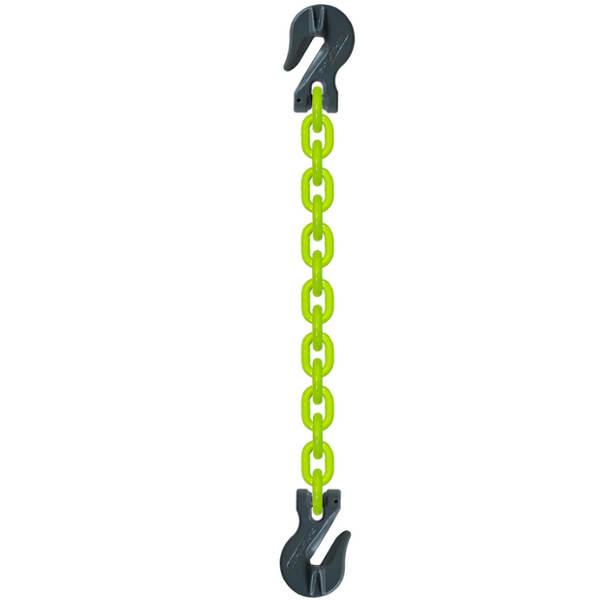
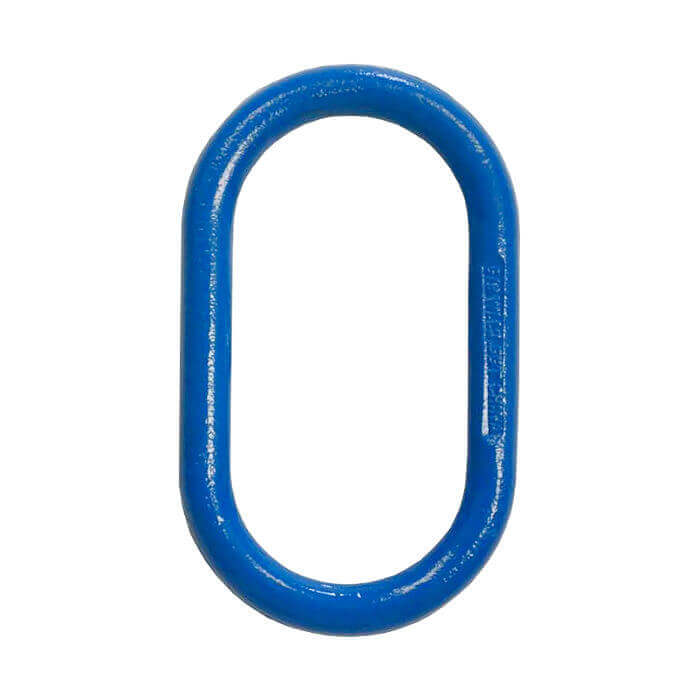
To measure a chain sling, measure the assembly from the top of the master link to the load-bearing contact point of the end hook. Always confirm whether the listed length refers to the overall assembly length or the usable chain length, as measuring conventions can vary.
When industry professionals talk about the length of a chain sling, they refer to its effective reach (also known as bearing-to-bearing length).
Definition: Reach is the total length of the sling measured from the upper load-bearing point of the master link to the lower load-bearing point of the bottom fitting (e.g., grab hook, sling hook, or locking hook) when pulled taut.
Key Measurement Points:
Top Bearing Point: The inside top curve of the master link where it rests on the crane hook.
Bottom Bearing Point: The inside bowl/bearing curve of the bottom attachment where the load connects.
Note: Never measure just the chain portion unless you are specifically measuring individual leg chain replacement requirements.

Depending on your sling configuration (Single, Double, Triple, or Quad leg), follow these steps:
Lay the sling flat on a clean, level surface and pull it straight to eliminate slack.
For a typical chain sling assembly, measure from the top bearing point of the master link to the bearing point of the hook or other end fitting, using the manufacturer's specified reference points.
For a multi-leg sling, measure each leg separately. If the legs have different lengths, record each measurement rather than assuming they are identical.
Verify that all legs are equal in length (unless custom asymmetric leg lengths were ordered).

Length is only one part of selecting the correct chain sling. Chain sling capacity depends directly on the nominal diameter of the chain links.
Also record:
Chain size: The nominal chain diameter, such as 3/8", 1/2", or 5/8".
Number of legs: Single, double, triple, or quadruple.
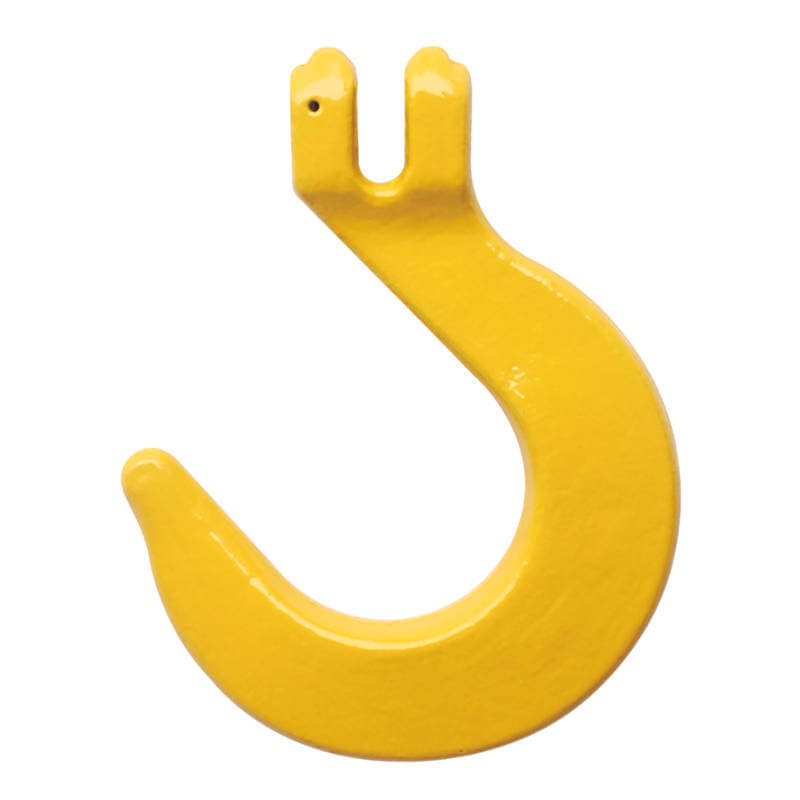
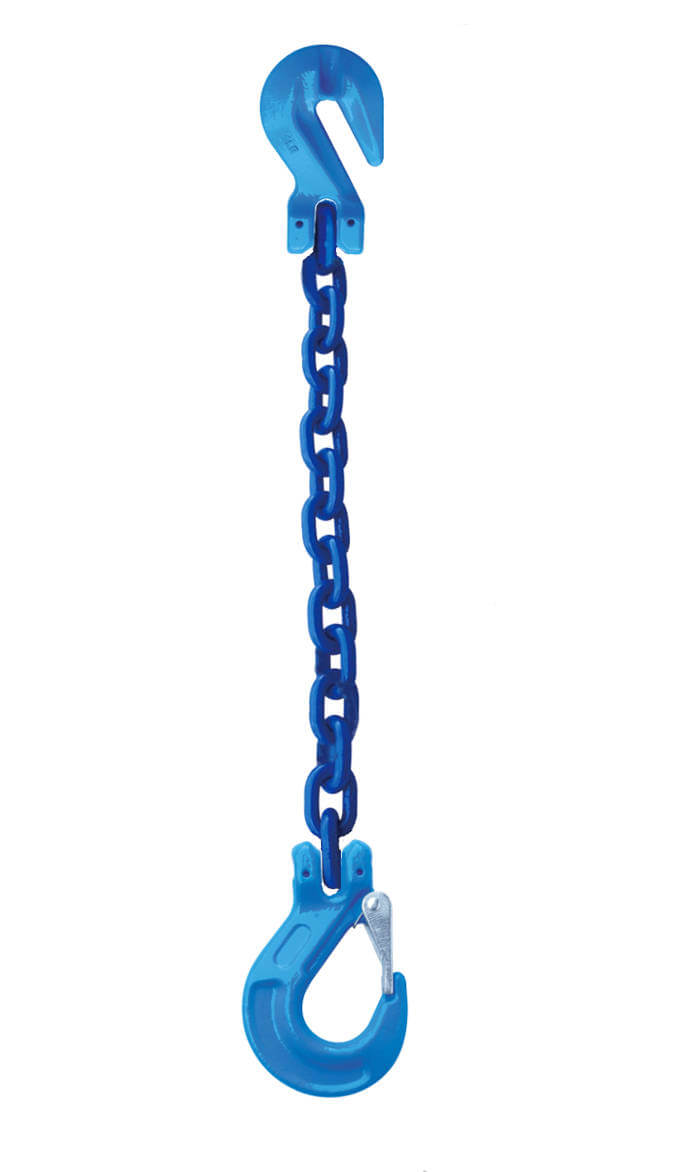
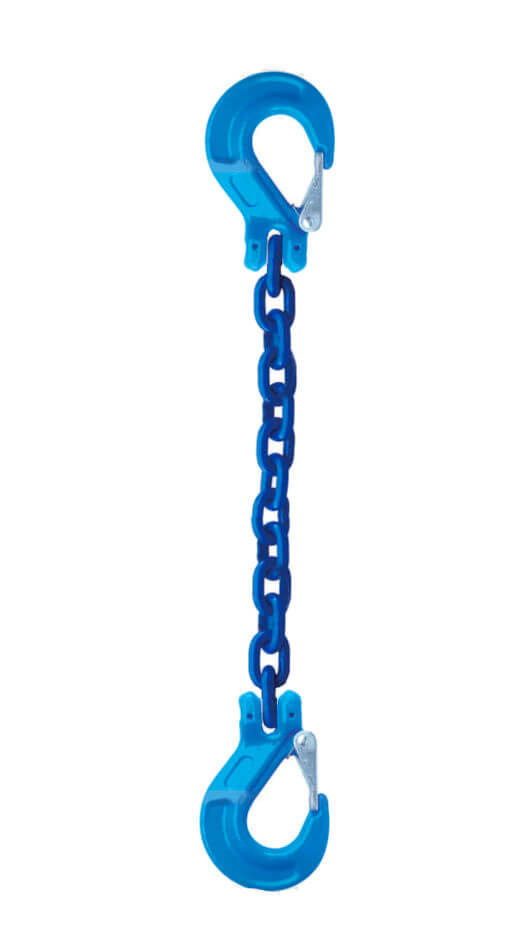
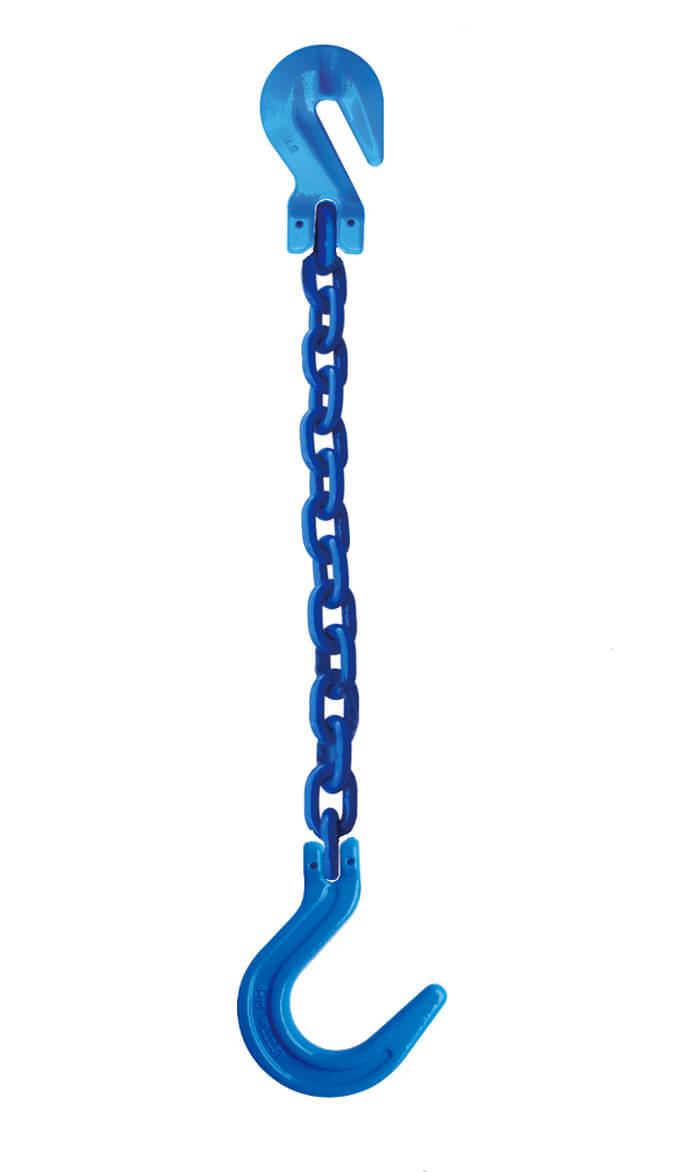
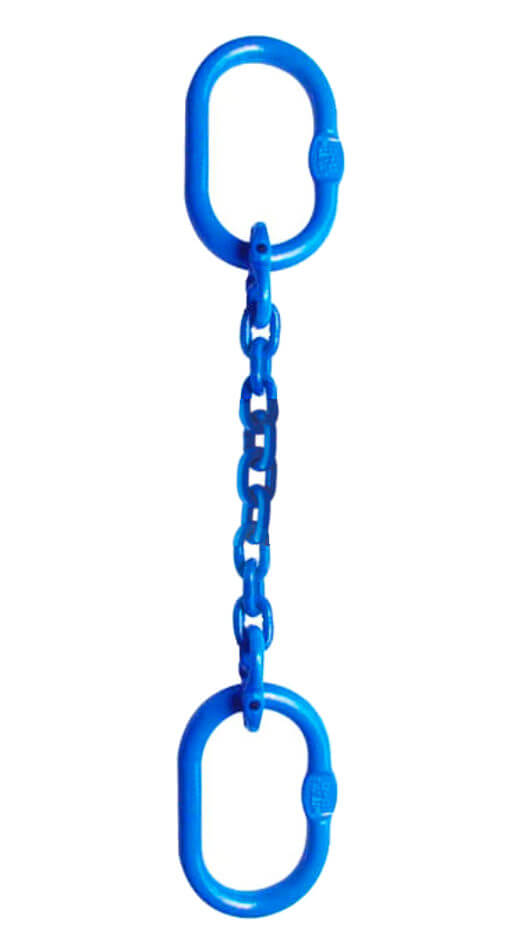
End fittings: Such as grab hooks, sling hooks, or other compatible lifting attachments.
Working Load Limit (WLL): The rated capacity of the complete sling configuration.
Required length: The specified overall assembly or individual leg length.
These details help ensure the replacement sling is suitable for the intended lifting application.
Avoid these common mistakes when measuring or ordering a chain sling:
Measuring only the chain and forgetting the master link and end fittings.
Confusing overall assembly length with chain leg length.
Measuring only one leg on a multi-leg sling.
Assuming all legs are the same length without checking.
Selecting a sling based on length without verifying its WLL and intended application.
Reach is the overall length from the top bearing point of the master link to the bottom bearing point of the lower hook. Leg length refers strictly to the length of the chain section between the upper coupler and lower coupler, excluding end fittings.
No. Chain slings should be laid flat on a smooth surface and pulled taut by hand to remove slack. They should not be under external load tension during standard reach measurements.
Determine the load weight, lifting points, required sling length, number of legs, sling angles, and required Working Load Limit. Select a sling rated for the complete lifting configuration and application.
Choosing the correct chain sling starts with accurate measurements and a clear understanding of the load, lifting points, and required capacity.
Baremotion offers chain lifting slings in multiple configurations and capacities to support a range of industrial lifting applications. Review your lifting requirements and verify the appropriate Working Load Limit before selecting an assembly.
Explore our chain lifting slings to find equipment suited to your application.






Stay updated with our latest news and insights

