



-
MENU


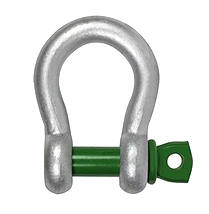
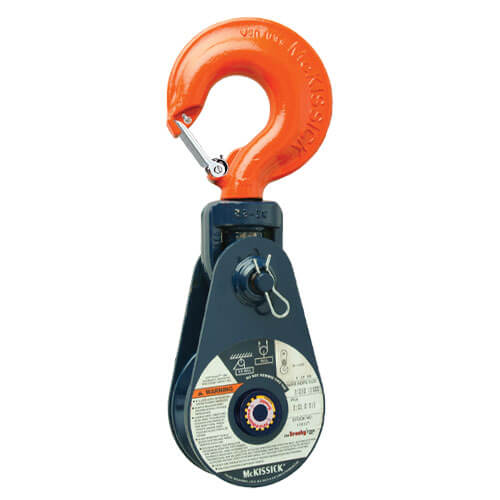
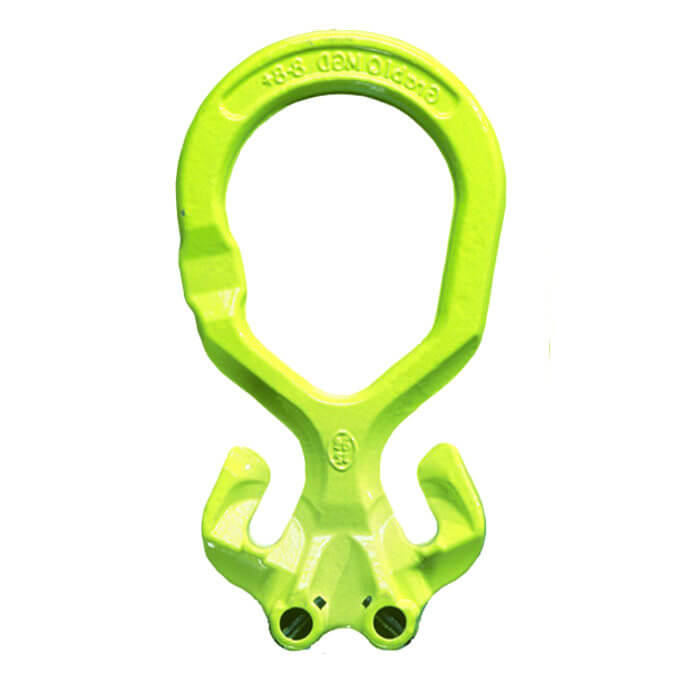


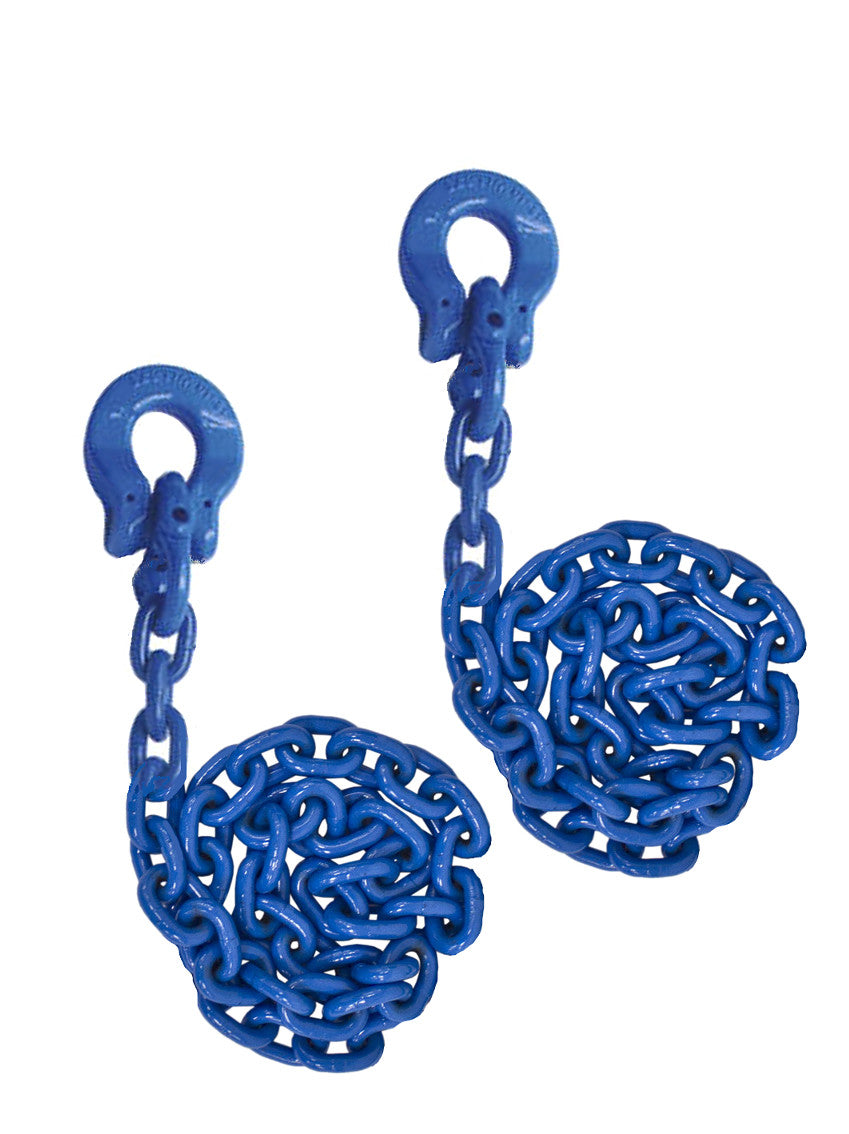






The 4 Main Lifting Hooks Used in Grade 100 Rigging Applications
When it comes to heavy-duty rigging and overhead lifting, choosing the right hook is critical for both safety and performance. Grade 100 lifting hooks are widely used in industrial lifting applications because they offer higher strength, improved fatigue resistance, and increased working load limits compared to lower-grade hardware.
There are four main Grade 100 lifting hooks commonly used in with rigging: the grab hook, the sling hook, the foundry hook, and the locking hook. Each hook is designed for specific lifting scenarios, from chain adjustment and general-purpose slings to extreme foundry environments and critical overhead lifts. Understanding how these hooks differ helps ensure proper load control, compliance with safety standards, and efficient lifting operations.
In this guide we'll walk through the four primary types of Grade 100 lifting hooks, helping you understand their specific uses and how to select the right one best suited for your lifting application.
Grade 100 Alloy Steel
Before diving into the specific hook types, it's important to understand why Grade 100 is the industry standard for demanding lifting applications.
Grade 100 alloy steel is specially heat-treated to provide a working load limit approximately 25% higher than traditional Grade 80 components of the same size. This means you can lift heavier loads with lighter chains and fittings, improving maneuverability and reducing operator fatigue without compromising on safety.
Using Grade 100 hooks translates to more efficient operations and a higher safety factor, providing peace of mind on the job site. Now, let's look at the hooks themselves.

1. Grade 100 Grab Hook
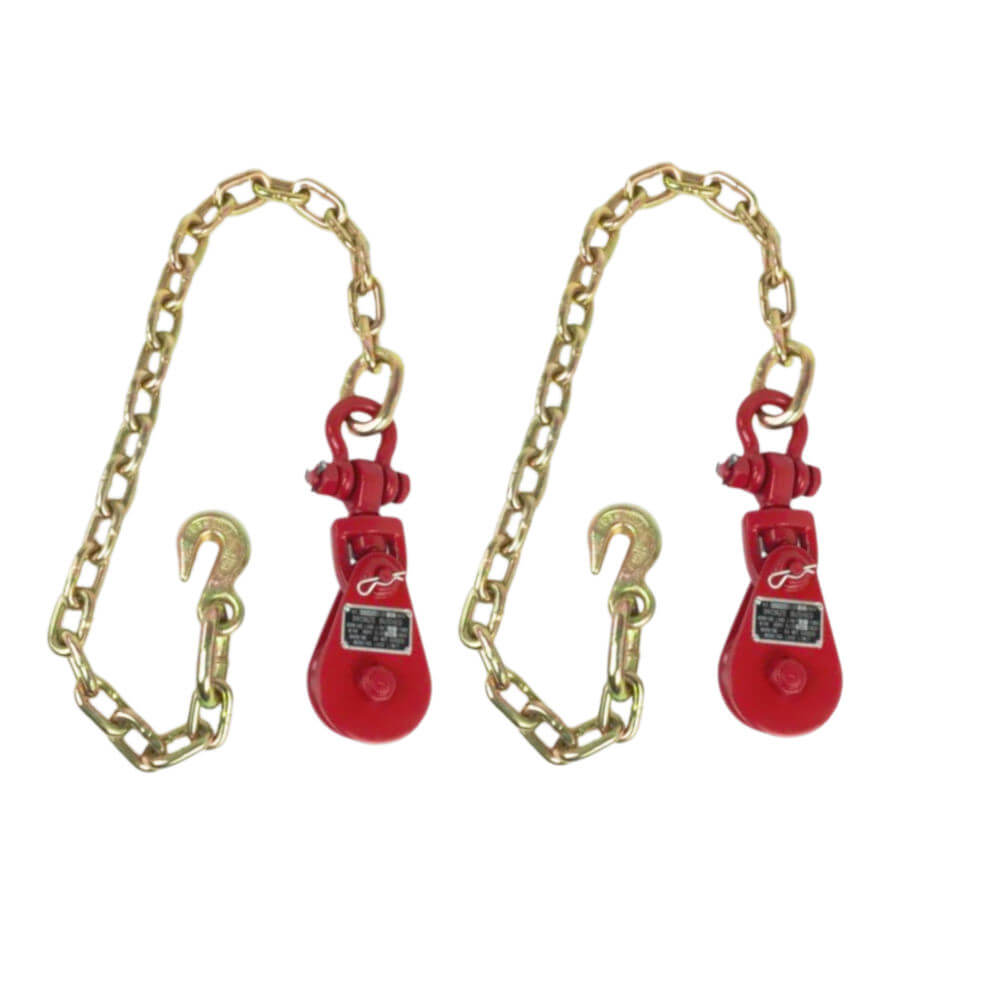
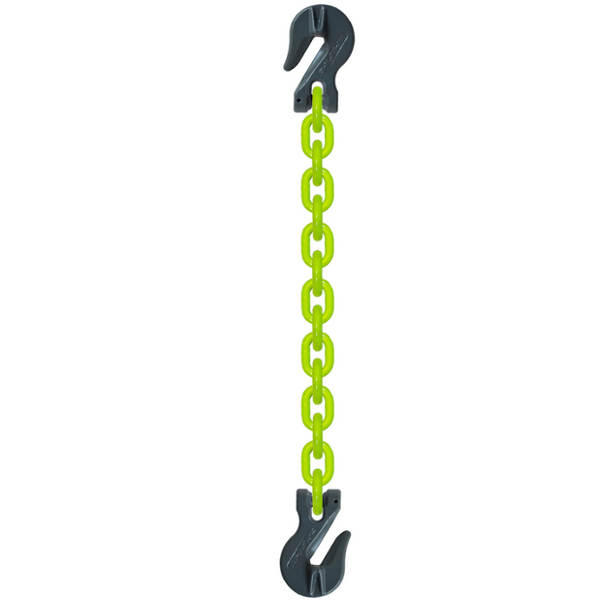
The grab hook is easily identified by its narrow throat. This design is not intended for connecting to a load's lifting point but for grabbing and shortening a length of chain.
For example, imagine you are using a double-leg chain sling to lift an object with uneven anchor points. You can use a grab hook to shorten one leg of the sling, ensuring the load is balanced and stable during the lift. They are also used to create binder chains for securing loads to a flatbed truck, though it's critical to use appropriately rated load binders for this task.
Common Applications for Grab Hooks:
-
Chain shortening and adjustment
Ideal when excess chain length needs to be taken up quickly while maintaining the chain’s rated working load limit. -
Load securement and tie-downs
Frequently used in transportation, towing, and load restraint applications where controlled tension is required. -
Straight-line pulls
Best suited for in-line loading where the force is applied evenly through the chain.
Grab hooks are ideal when precise chain adjustment is required. However, because they do not allow the chain to move freely, they are not recommended for dynamic or angled lifts.

2. Grade 100 Sling Hook
The sling hook is perhaps the most common and recognizable lifting hook. It features a wider throat opening than a grab hook, making it ideal for connecting directly to rigging hardware or lifting points on a load.
Most sling hooks come equipped with a safety latch. This spring-loaded mechanism closes the throat opening, preventing slings, master links, or other attachments from accidentally slipping out during a lift. This feature is crucial for maintaining a secure connection.
Common Applications for Sling Hooks:
-
Overhead lifting
Ideal for most standard lifting operations where chain, wire rope, or synthetic slings are used. -
Connecting to multiple sling types
Designed to work with chain slings, wire rope slings, and synthetic web or round slings. -
Frequent connecting and disconnecting
Makes rigging faster and more efficient on jobs where slings are attached and removed often.

3. Grade 100 Locking Hook
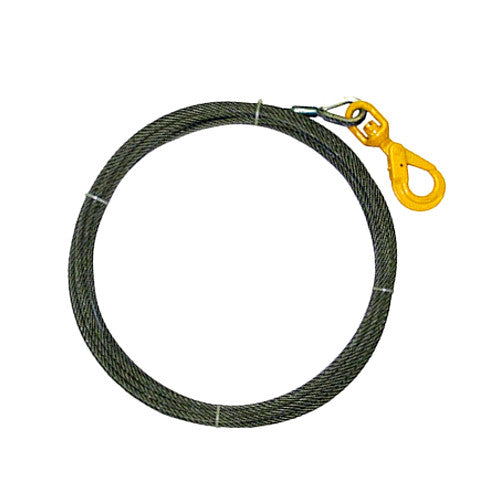
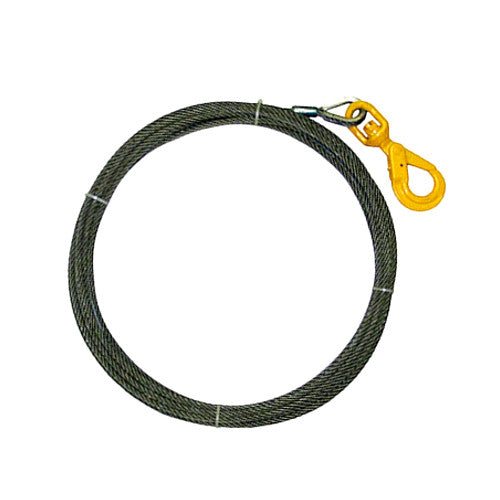
When a lift requires the highest level of security, the self-locking hook is the top choice. This hook is engineered to automatically lock under load, providing positive load retention and preventing accidental disengagement.
Common Applications for Locking Hooks
-
Overhead lifting
Commonly used in applications where loads are lifted and moved above personnel or equipment. -
Critical and engineered lifts
Ideal for planned lifts where failure is not an option and additional safety measures are required. -
Environments with vibration or movement
Prevents unintentional unhooking caused by sudden motion, load shift, or equipment vibration. -
Multi-leg sling assemblies
Helps maintain secure connections when multiple sling legs are in use. -
Industrial and construction settings
Frequently used in manufacturing, steel fabrication, power generation, and heavy construction projects.Safety Note
Locking hooks must be fully engaged and locked before lifting. Always verify proper operation of the locking mechanism during pre-lift inspections and never exceed the hook’s rated Grade 100 working load limit.

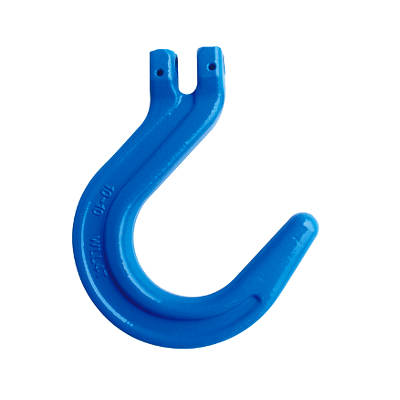
4. Grade 100 Foundry Hook
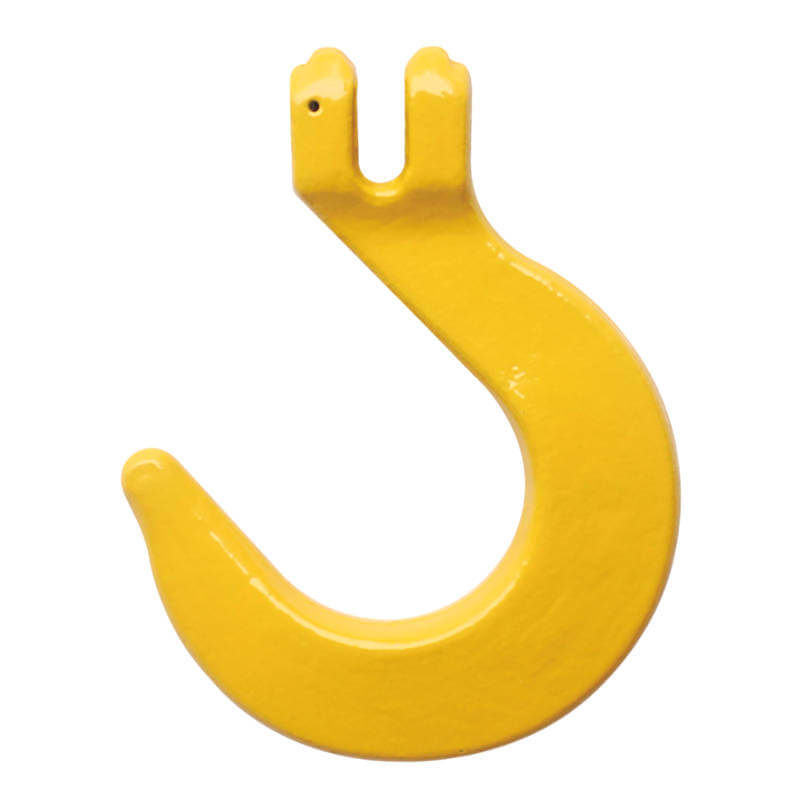
The foundry hook is built for extreme environments and heavy-duty lifts. These hooks are built with an oversized, extra-deep throat and a robust, handle-like shape. They are not equipped with safety latches, since the latch mechanisms is suitable for extreme heat conditions.
Common Applications for Foundry Hooks
-
Foundries and steel mills
Widely used for handling molten materials, ladles, ingots, and large castings. -
High-temperature lifting environments
Ideal for applications where extreme heat would damage or compromise standard safety latches. -
Heavy Hauling Transportation
The oversized throat easily hooks up to excavators. Chain slings with Foundry Hooks and grab hooks assemblies have become widely used for heavy machinery moving. -
Handling heavy castings and forgings
Commonly used in metal casting, forging operations, and fabrication shops.
Choosing the Right Grade 100 Hook
Each Grade 100 hook serves a specific purpose:
-
Grab Hook – Best for chain adjustment and shortening
-
Sling Hook – Ideal for general lifting with slings
-
Foundry Hook – Designed for large, hot, or heavy industrial loads
-
Locking Hook – Maximum safety for overhead and critical lifts
Always ensure that hooks are properly rated, inspected regularly, and used within their working load limits. Choosing the correct hook not only improves efficiency but also significantly reduces the risk of accidents. A secure lift starts with the right equipment.

Safety Note
When using lifting hooks , it is crucial that only trained professionals handle these tools. Always follow OSHA (Occupational Safety and Health Administration) rules and regulations to ensure safe and compliant lifting operations. Proper inspection, usage, and maintenance of equipment are essential to prevent workplace accidents and ensure the safety of all involved.
All gear should be thoroughly inspected before each and every use. Worn or unsafe rigging and safety gear should never be used. Inspect chain slings regularly and to keep a record of all chain inspections. Products should be used in strict accordance with all industry and OSHA standards.
- Choosing a selection results in a full page refresh.