


-
MENU









Alloy Chain Sling Size Guide: How to Choose the Right Chain Diameter
In overhead lifting and industrial rigging, knowing your chain sling capacity is one of the most important safety requirements. This mandatory safety discipline governed by OSHA 1910.184 & ASME B30.9 standards. Using a chain sling beyond its rated capacity can lead to equipment damage, dropped loads, serious injury, or worse.
Conversely, selecting an oversized chain adds unnecessary deadweight, increases crew fatigue, and complicates storage and rigging logistics.
To specify the correct alloy chain sling, overhead riggers must evaluate three core variables: Chain Diameter, Material Grade, and the Sling Angle Factor. This comprehensive guide details the load capacities, angle reduction factors, and distinctions between Grade 80 and Grade 100 alloy steel chains to help you equip your crew safely and efficiently.
The Three Core Variables
To specify the correct alloy chain sling, overhead riggers must evaluate:
- Chain Diameter — The physical size of the chain link, measured in inches or millimeters.
- Material Grade — The alloy steel classification (Grade 80 or Grade 100) that determines strength and working load limits.
- Sling Angle Factor — The angle at which the chain is rigged, which reduces effective load capacity as the angle widens.
1. Material Grade: Grade 80 vs. Grade 100 Alloy Steel
Per OSHA and ASME regulations, only alloy steel chain (G80 & above) is approved for overhead lifting applications.
-
Grade 80 (G80) Alloy Chain: Offers excellent resistance to impact loading and structural wear.
-
Grade 100 (G100) Premium Alloy Chain: Modern high-performance alloy steel that offers approximately 25% higher Working Load Limit (WLL) than Grade 80 chain of the exact same diameter. This increased strength-to-weight ratio allows riggers to utilize smaller, lighter chain diameters without sacrificing capacity—reducing operator fatigue during heavy assembly and construction operations.

2. Sling Angles: Affect Chain Sling Capacity
One of the biggest factors affecting capacity is the angle between the sling legs and the horizontal. When utilizing multi-leg slings (2-Leg, 3-Leg, or 4-Leg), the angle formed between the chain leg and the horizontal plane directly alters the tension exerted on each individual leg.
As the sling angle becomes smaller:
- Tension increases
- Effective capacity decreases
- Load on each leg increases dramatically
A common rule is to keep sling angles 60° or greater whenever possible. Lower angles place significantly higher forces on the sling and lifting hardware.
⚠️ ASME B30.9 Mandate: Rigging with a horizontal sling angle of less than 30 degrees is strictly prohibited by ASME B30.9 and OSHA regulations.
3. Master Specs & Angle Capacity Table (Grade 80 vs. Grade 100)
Design Factor 4:1 per ASME B30.9. Capacities listed in pounds (lbs).
How to Select the Right Chain Diameter
-
Determine Total Weight of Load: Include structural payload plus dynamic shock factors or sub-assemblies.
-
Select Hitch Type & Number of Legs: Decide whether the load requires a Single vertical leg, 2-Leg , or 4-Leg (Note: Per ASME rules, 4-Leg slings are typically rated equivalent to 3-Leg slings because load weight is rarely distributed identically across all 4 legs).
-
Measure/Estimate Horizontal Sling Angle: Aim for 60° whenever headroom allows. Never design a lift below 45° without strict engineering sign-off.
-
Select Alloy Grade & Diameter: Cross-reference your target WLL - Choose Grade 100 if you want lighter ergonomics for field personnel.
Inspect Chain Slings Before Every Lift
Every chain sling should be inspected before use.
- Missing or illegible identification tag (OSHA requires capacity, grade, size, and reach on metal tags).
- Wear, Bent, twisted, stretched, or gouged links.
- Evidence of heat damage or improper field welding.
- Also check hooks - opening and all
If any damage is found, remove the sling from service immediately.
Why Many Professionals Choose Grade 100 Chain Slings
Grade 100 lifting chain offers several advantages over Grade 80:
- Higher Working Load Limits
- Reduced overall sling weight
- Increased efficiency
- Excellent fatigue resistance
- Premium alloy construction
For many industrial applications, Grade 100 provides additional lifting capacity without increasing chain size.
Conclusion: Prioritizing Safety & Efficiency in Overhead Lifting
Choosing the correct alloy chain sling diameter comes down to understanding three critical factors: your total load weight, the alloy grade (Grade 80 vs. Grade 100), and the horizontal sling angle.
By opting for Grade 100 alloy chain, rigging teams can take advantage of a 25% higher Working Load Limit (WLL) compared to Grade 80, allowing for lighter chain diameters without sacrificing strength or safety.
Always consult rated WLL capacity charts, perform daily pre-shift inspections, and verify that sling tags are fully legible before initiating any overhead lift.
Compliance Standard: Always adhere to OSHA 1910.184 and ASME B30.9

Frequently Asked Questions
Can I use Grade 70 chain for overhead lifting?
NO NEVER. Only Grade 80 or Grade 100 alloy lifting chain should be used for overhead lifting.
Why does sling angle matter?
As sling angles decrease, the force on each sling leg increases. Lower angles significantly reduce effective lifting capacity.
Can adding more sling legs increase capacity?
Yes—but not proportionally. Capacity depends on equal load sharing, sling angle, and manufacturer ratings. Always refer to the sling's capacity chart.
What happens if the identification tag is missing?
If the sling's identification tag is missing or illegible, its rated capacity cannot be verified. The sling should be removed from service until it can be properly identified or replaced.
Need the Right Chain Sling?
At Baremotion, we supply durable lifting solutions built for demanding industrial applications, including:
- Grade 80 and Grade 100 chain slings
- Master Links
- Sling Hooks
- Shortening Hooks
- Connecting Links
- Lifting Hardware
Shop Chain Slings & Lifting Equipment at Baremotion today.
G100 Chain Slings
SGG Grade 100 Chain Sling with Cradle Grab Hooks


Quick View


SGG Grade 100 Chain Sling with Cradle Grab Hooks
- Price
- From $115.00
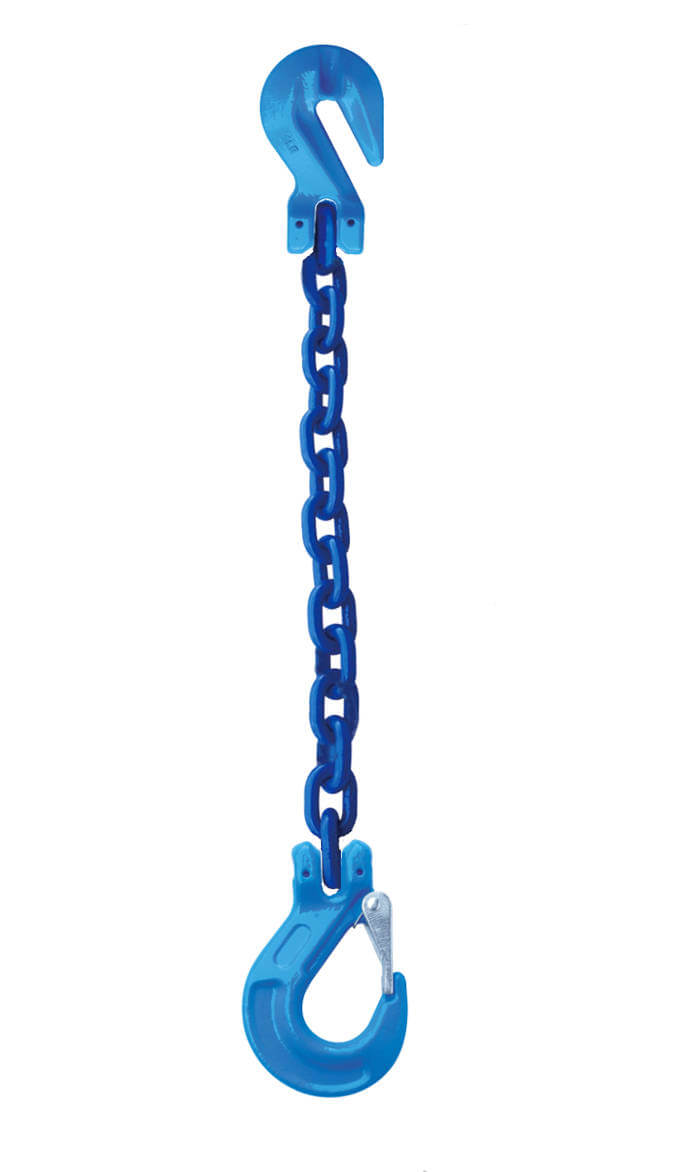
Grade 100 Chain Sling with Cradle Grab Hook & Sling Hook Single Leg SGS

Quick View

Grade 100 Chain Sling with Cradle Grab Hook & Sling Hook Single Leg SGS
- Price
- From $139.00
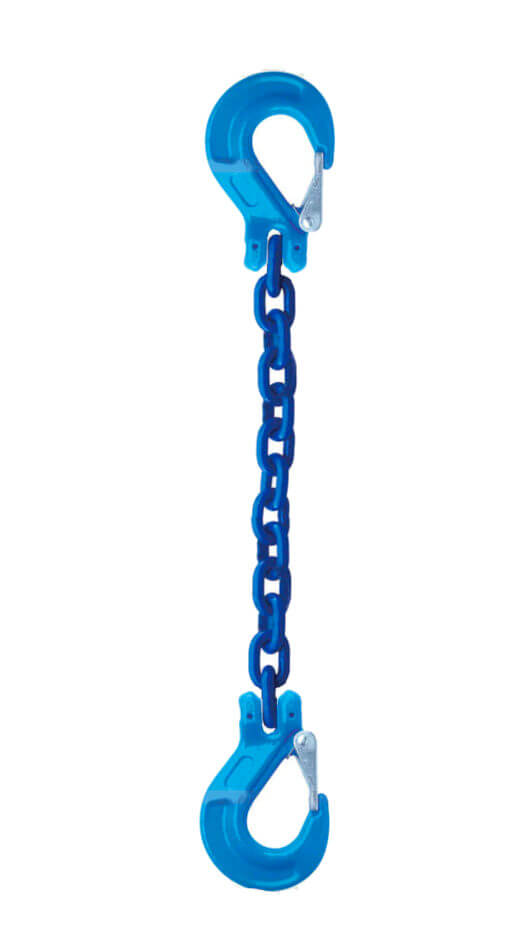
SSS Grade 100 Single Leg Chain Sling with Sling Hooks

Quick View

SSS Grade 100 Single Leg Chain Sling with Sling Hooks
- Price
- From $119.00
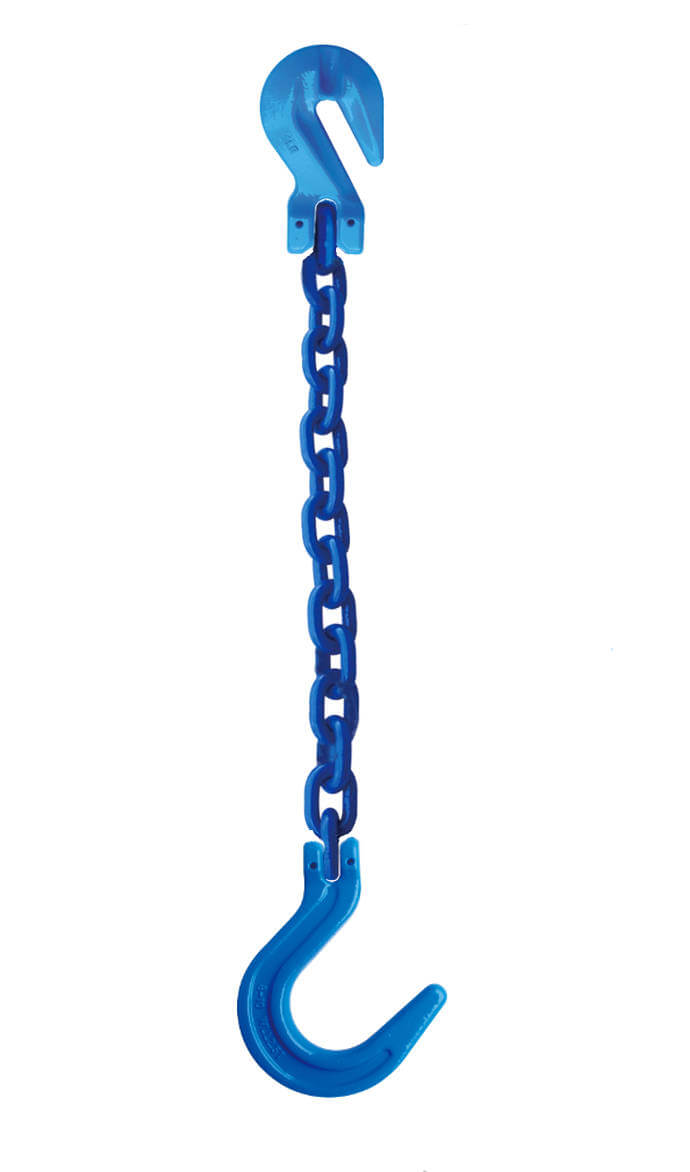
SGF Grade 100 Chain Sling with Grab & Foundry Hook

Quick View

SGF Grade 100 Chain Sling with Grab & Foundry Hook
- Price
- From $130.00
SOF Grade 100 Chain Sling with Oblong link & Foundry Hook


Quick View


SOF Grade 100 Chain Sling with Oblong link & Foundry Hook
- Price
- From $165.00
2' GR100 Oblong & Foundry Hook Chain

Quick View

2' GR100 Oblong & Foundry Hook Chain
- Price
- From $198.00
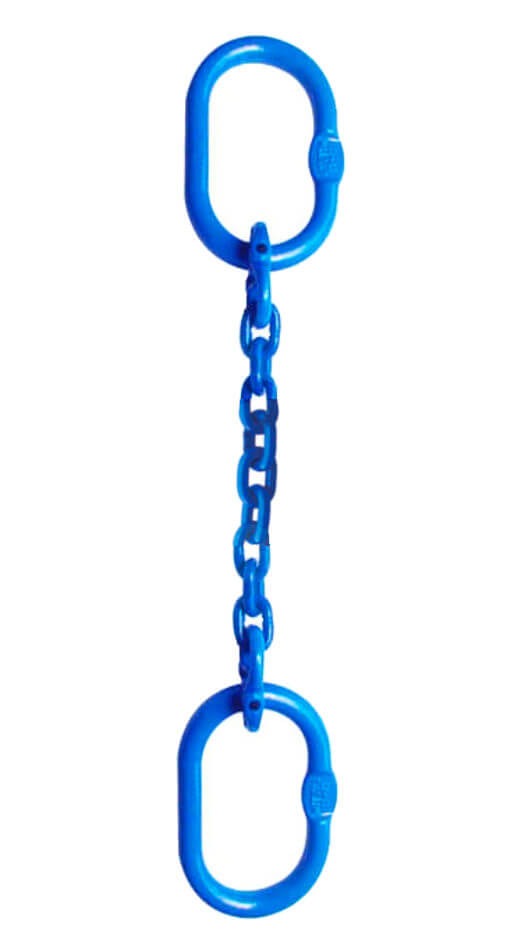
CO Grade 100 Single Leg Chain Sling w/Oblong Master link
Quick View
CO Grade 100 Single Leg Chain Sling w/Oblong Master link
- Price
- From $139.00
- Choosing a selection results in a full page refresh.