














-
MENU


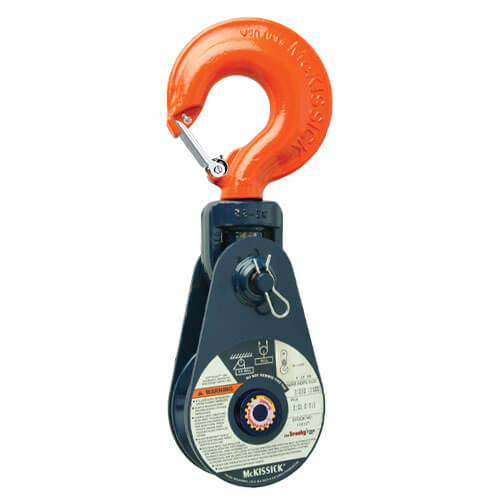
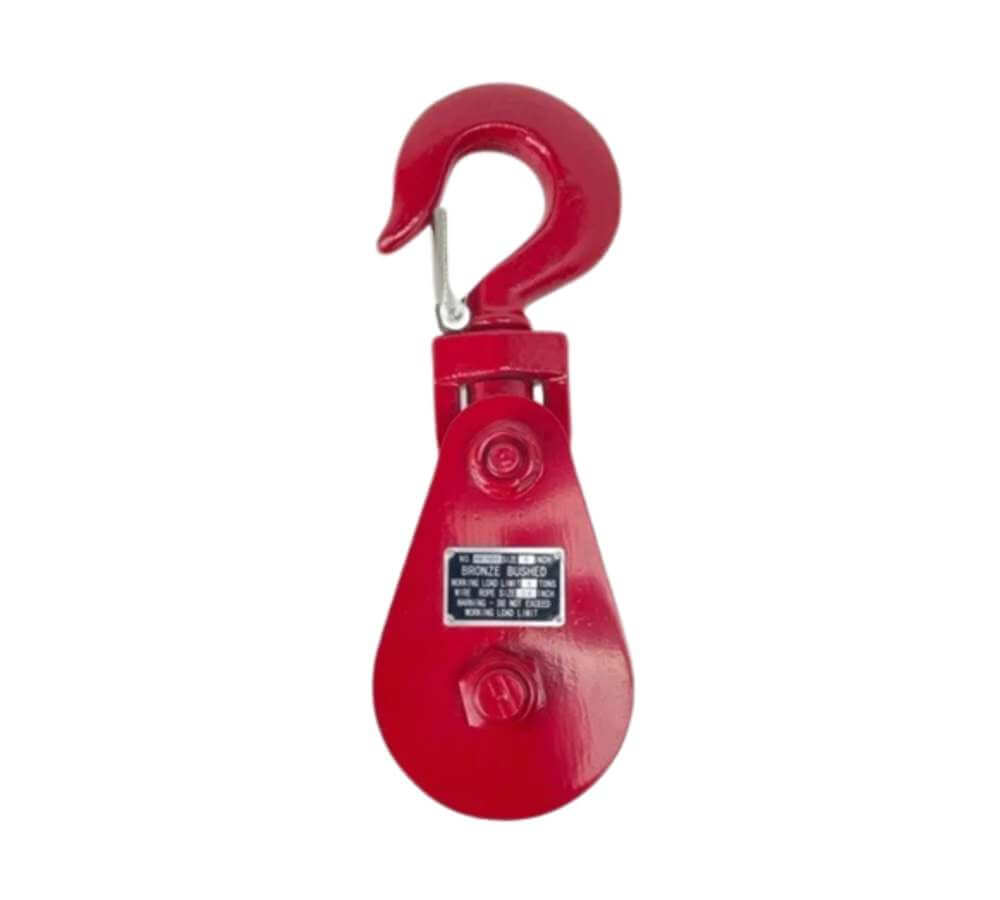
A snatch block is a pulley-style recovery tool that redirects a winch line or helps increase pulling force during vehicle recovery. Tow truck operators use snatch blocks to change the direction of a pull, improve winch efficiency in certain setups, and recover vehicles from difficult positions.
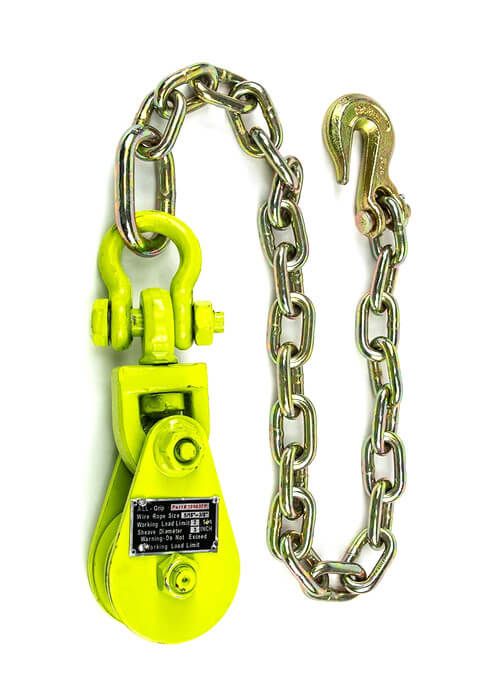
A snatch block contains a grooved sheave (pulley wheel) that guides the winch cable or synthetic winch line. Its side plate opens to allow the line to be installed without threading it through from the end.
On a tow truck, a snatch block can serve two main purposes:
Redirecting a winch line: The block changes the direction of the pull, allowing an operator to position the winch line more effectively around an obstacle or toward a recovery point.
Increasing mechanical advantage: When the line is reeved through a snatch block and anchored appropriately, it can create a multi-part line system that reduces the pulling force required from the winch. This typically requires more line to be pulled to move the load the same distance.

A snatch block can approximately double the ideal pulling force in a properly configured two-part line system. However, actual performance is lower because of friction, equipment limitations, and other factors.
Simply redirecting a winch line does not automatically double pulling capacity. The mechanical advantage depends on how the line is routed and anchored.
Operators must also account for the forces applied to the snatch block, anchor points, winch, and connecting hardware. These forces can differ from the load being moved, so every component must be suitable for the specific rigging configuration.
Before using a snatch block, verify the following:
Working load limit (WLL) or rated capacity: Confirm the block is rated for the intended application and loading configuration.
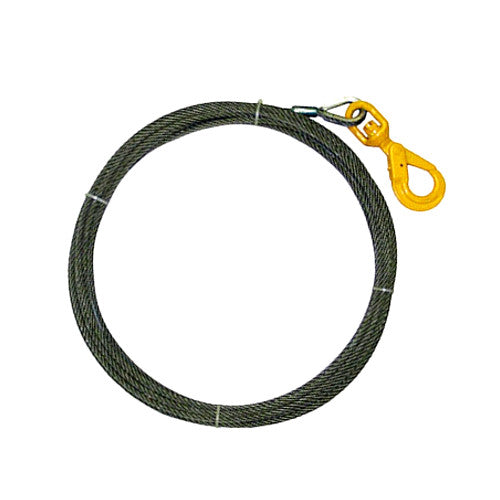
Winch line compatibility: Match the block's sheave size and design to the cable or synthetic line being used.
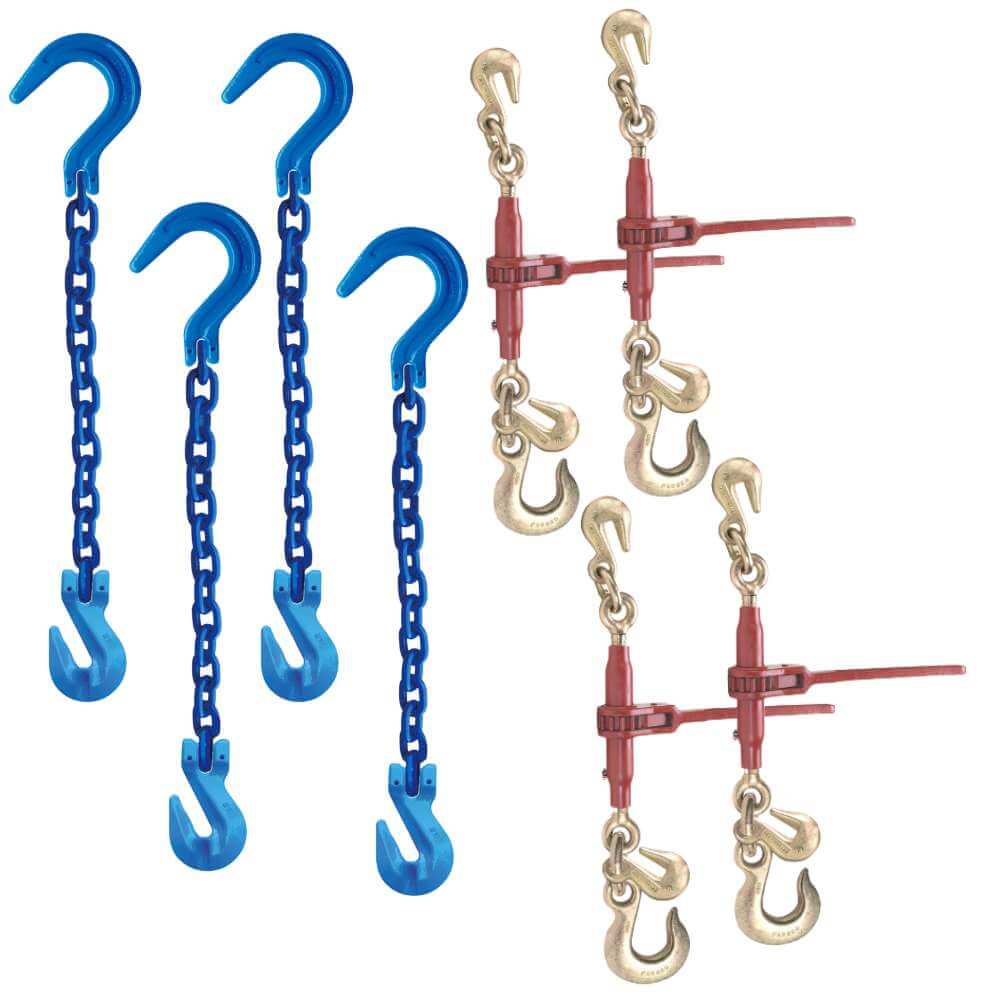
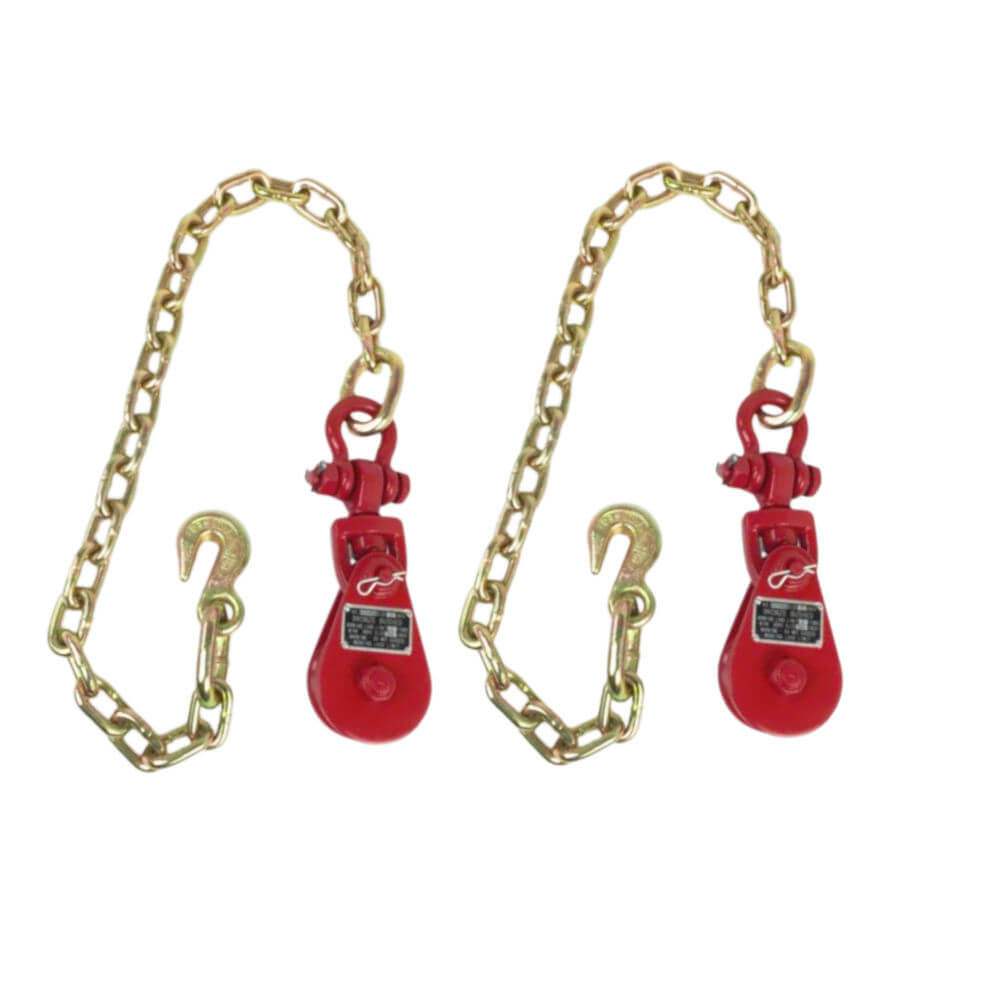
Hook or connection type: Select a compatible attachment, such as a swivel hook, shackle hook, with a snatch block with a chain extension, suitable for the intended setup.
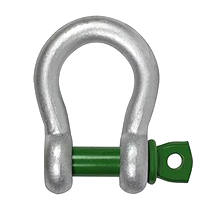
Anchor and rigging ratings: Check the ratings of all connected components, including shackles, anchor points, and recovery attachments.
Correct rigging setup: Follow the manufacturer's instructions for line routing, anchoring, and permitted loading.
Never assume that a snatch block's rating alone determines the capacity of the entire recovery system. The complete setup must be evaluated, and no component should be loaded beyond its applicable rating.

A snatch block is an important tool for tow truck operators who need to redirect a winch line or configure a recovery system with mechanical advantage. Choosing the correct block and verifying every component's rating helps support a properly planned recovery.
Explore Baremotion's towing and recovery equipment to find snatch blocks and compatible rigging hardware for your application.
Safety reminder: Always follow equipment manufacturers' instructions and applicable recovery procedures. Keep people clear of tensioned lines and potential recoil zones during winching operations.
A snatch block redirects a winch line or helps create mechanical advantage in a recovery system. It can change the pulling direction or reduce the winch force required to move a load, depending on the line configuration.
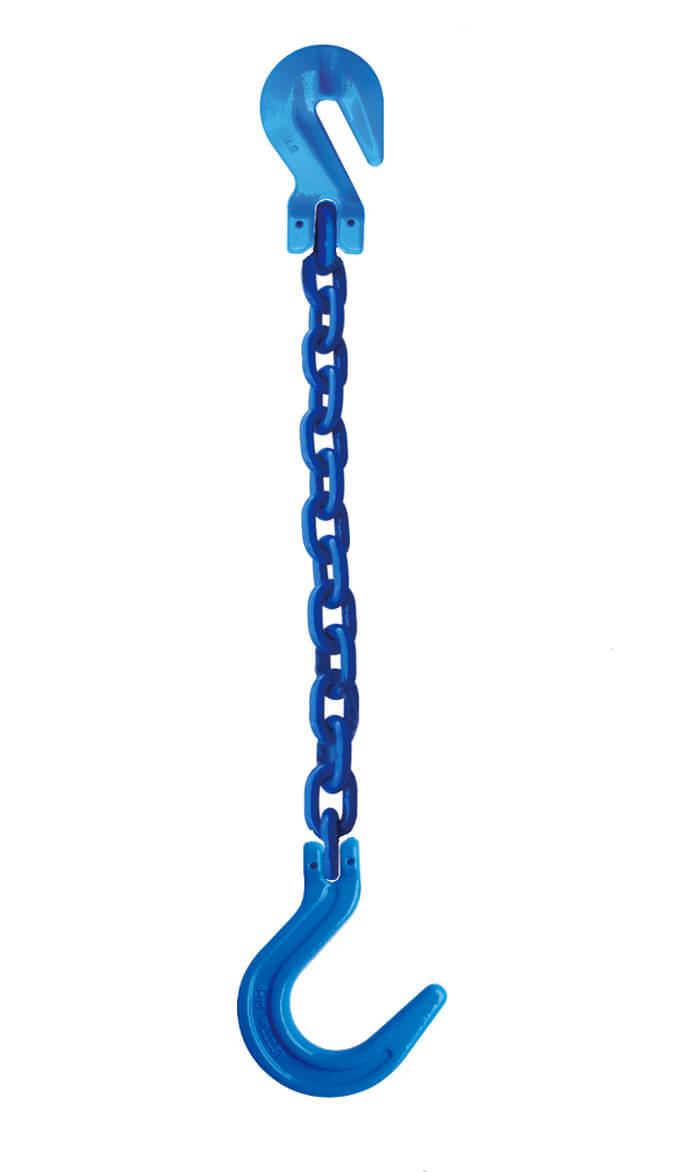
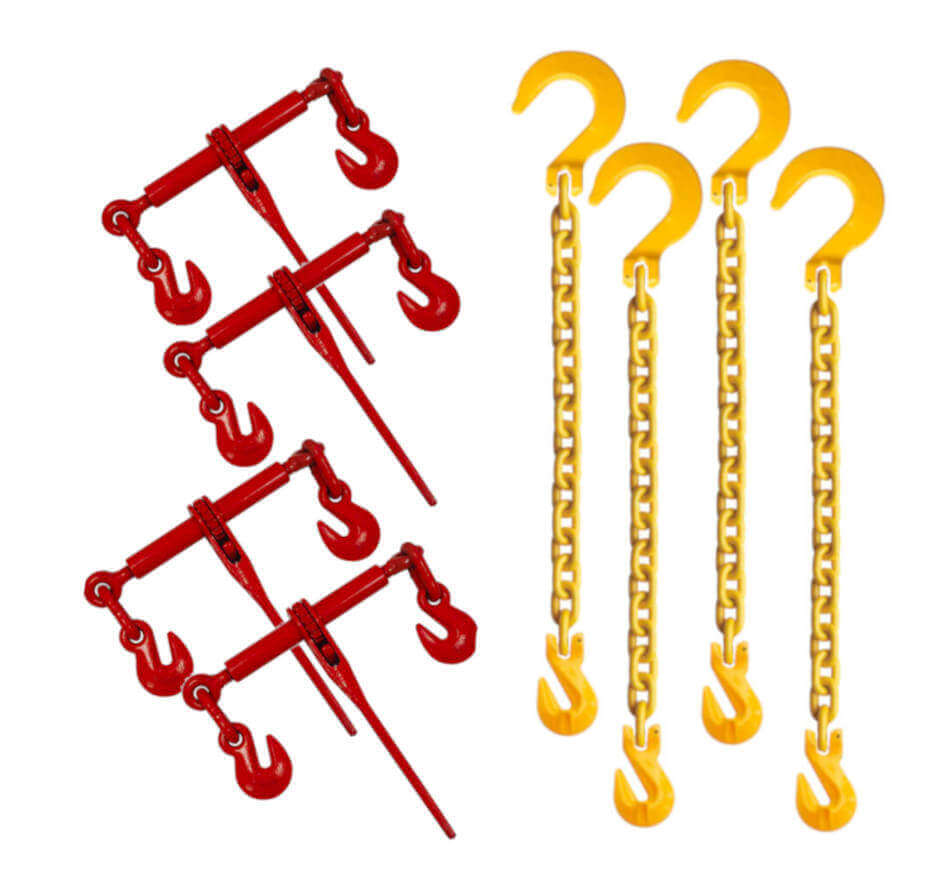
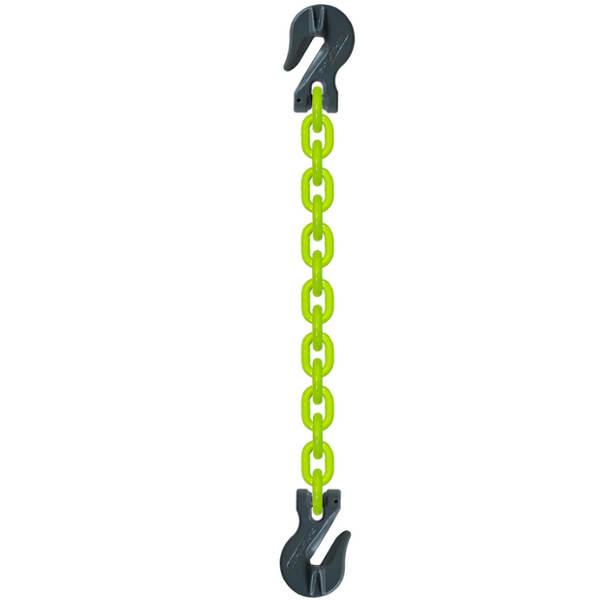
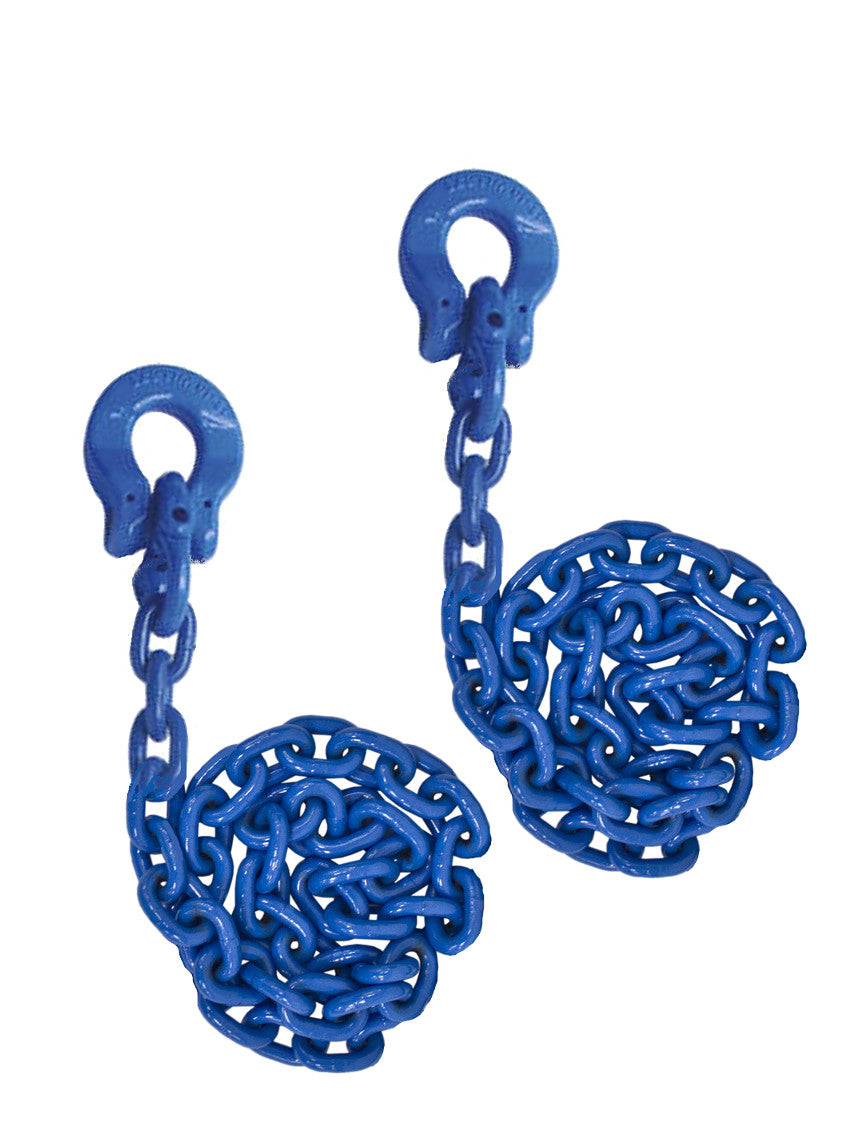
A chain extension adds reach between the snatch block and an appropriate anchor point. It can help position the block where needed during a vehicle recovery, provided the chain, hooks, and connection points are compatible and properly rated for the application.
A snatch block with a swivel hook uses the hook as its primary attachment point and allows the block to rotate for alignment with the pull. A snatch block with a chain extension provides additional reach and may use a chain grab hook to connect to a suitable anchor point.
A snatch block can increase pulling power when rigged correctly in a two-part line system, potentially doubling the pulling force. For example, if a tow truck is recovering a stuck vehicle, a properly rigged snatch block can help the winch pull with greater force. Simply redirecting a winch line does not increase pulling capacity.
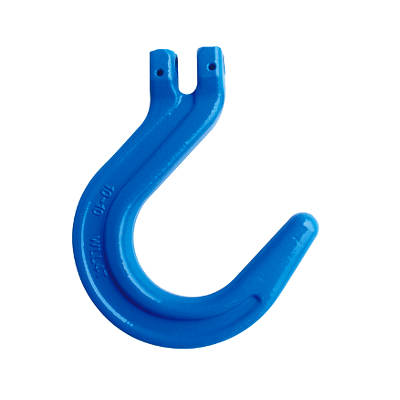
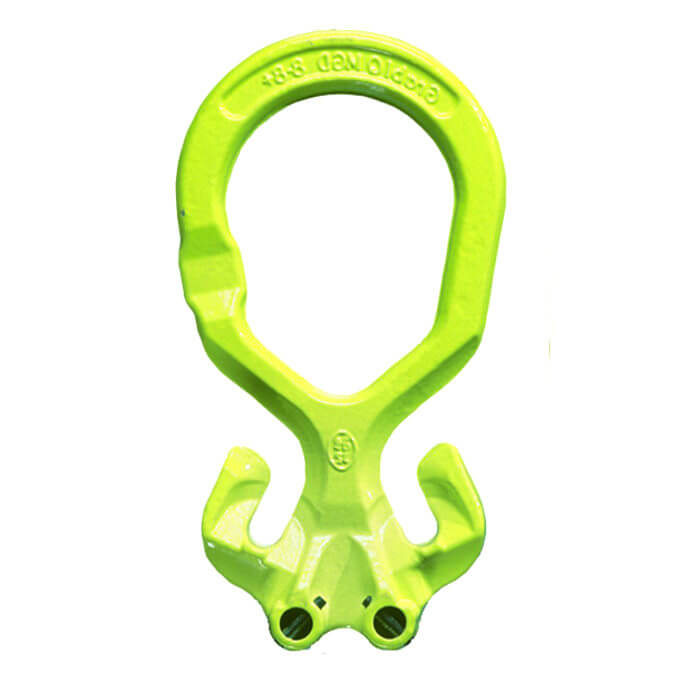
A grab hook attaches the chain extension to a suitable anchor point. Always make sure the hook, chain, and connection are properly rated for the recovery setup.
Choose a snatch block based on the winch line diameter and type, required pulling configuration, rated capacity, attachment method, and recovery conditions. Verify the ratings of the entire rigging system, including the chain extension, hooks, shackles, anchor points, and winch. The system must be suitable for the forces generated by the specific setup.
Yes, if the snatch block is specifically compatible with the synthetic line being used. Check the manufacturer's requirements for sheave diameter, groove design, line compatibility, and rated capacity before use.





Stay updated with our latest news and insights

