



-
MENU


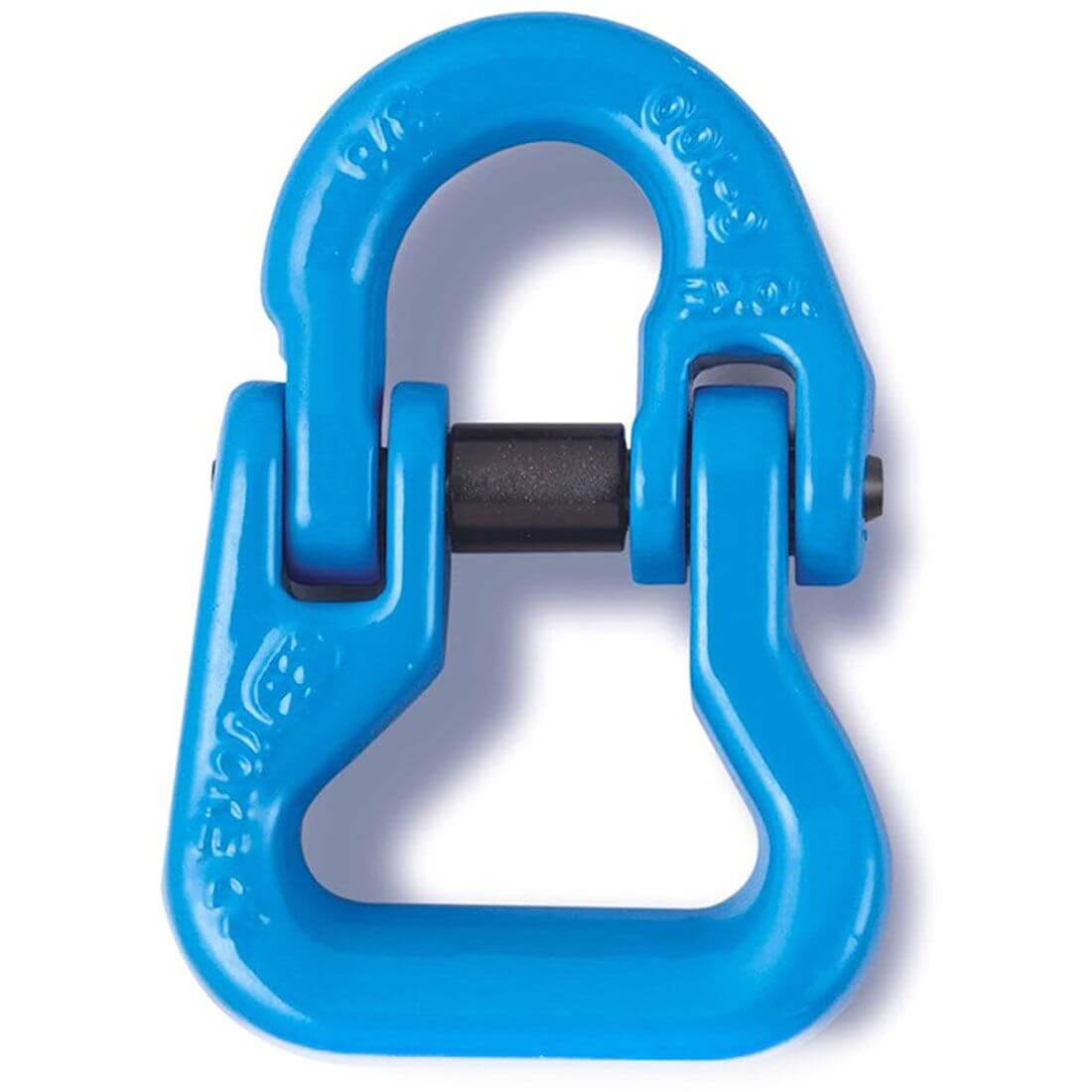
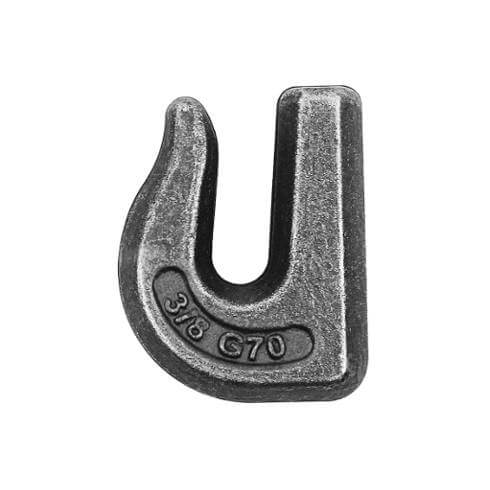
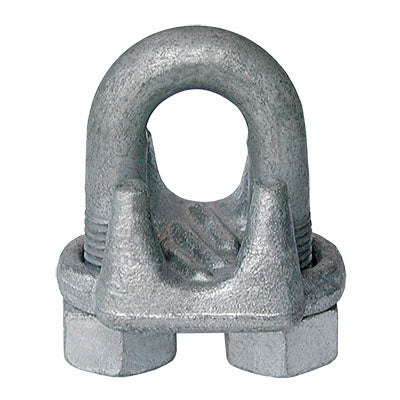







Why Chain Slings Are Essential for Heavy-Duty Towing and Recovery
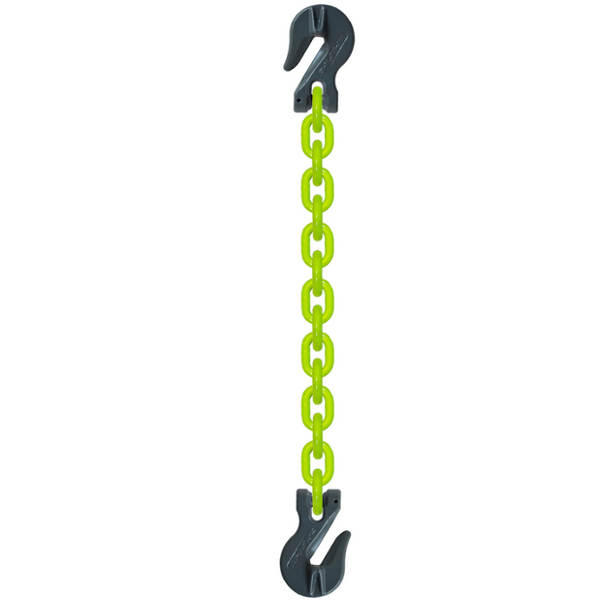
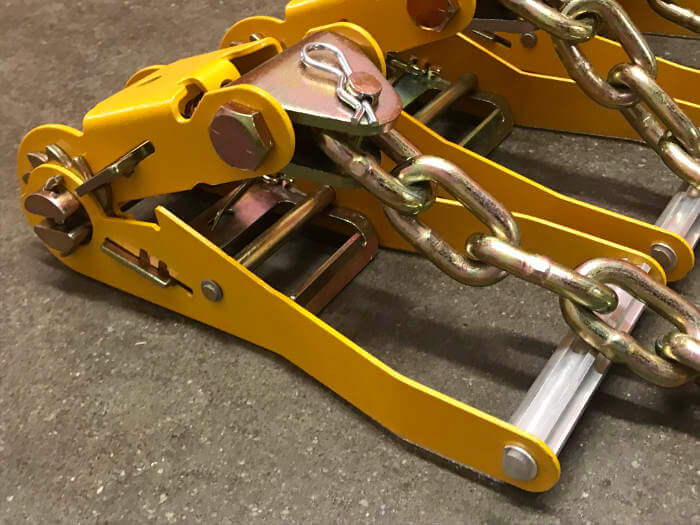
When it comes to heavy-duty towing and vehicle recovery, using the right equipment is essential. Among the most trusted tools in professional recovery operations are chain slings. Designed for extreme strength and reliability, chain slings provide versatility and safety in situations where ordinary straps or ropes just won’t cut it.
In this article, we’ll break down the top benefits of using chain slings in heavy-duty towing and recovery, so operators can make informed equipment choices.
1. Exceptional Strength and Load Capacity
Chain slings are rated for very high working loads, making them ideal for recovering heavy trucks, buses, or accident-damaged vehicles.
- Able to handle extreme weight without stretching or snapping
- Maintain strength even under dynamic recovery conditions
- Suitable for multi-vehicle accident recovery
Benefit: You get reliable performance when lifting or pulling vehicles that traditional straps can’t handle.

2. Superior Durability and Longevity
Unlike synthetic slings, chain slings are resistant to:
- Abrasion and cutting from sharp edges
- Extreme heat generated during recovery operations
- Chemical exposure, oil, or dirt
Benefit: Chain slings last longer, require less frequent replacement, and maintain safety over time.
3. Versatility in Rigging and Recovery
Chain slings can be configured in multiple ways:
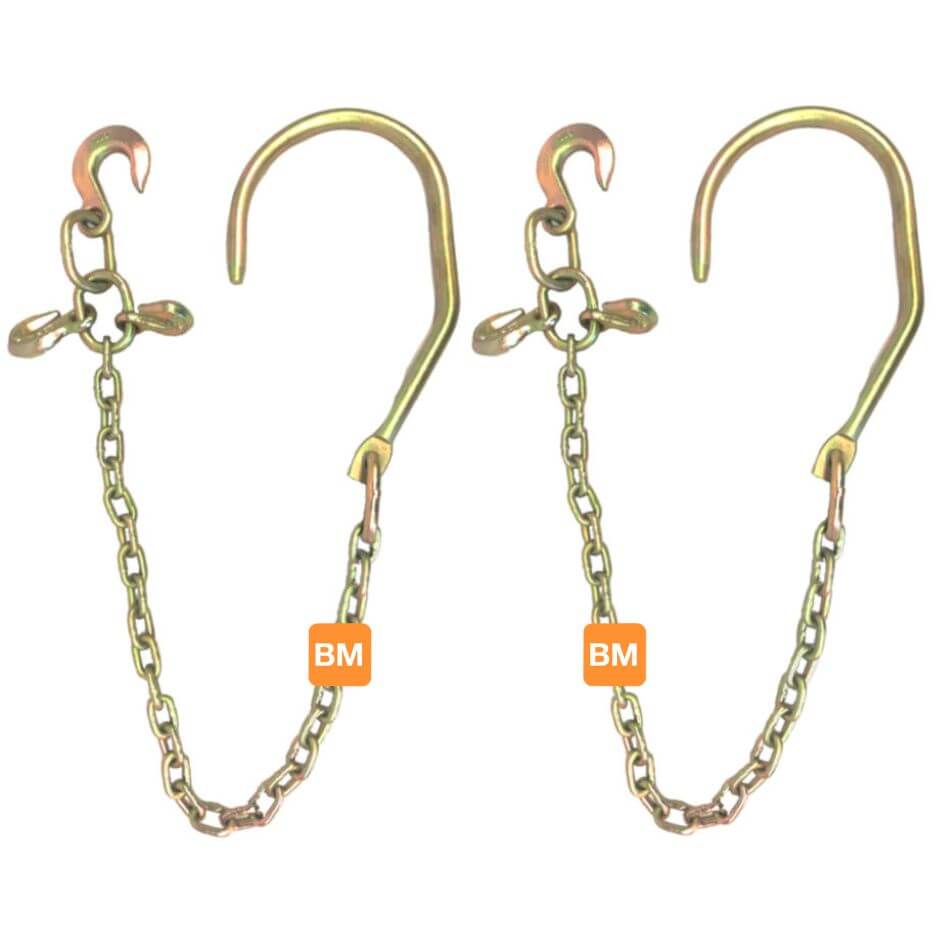
- Single-leg, double-leg, or multi-leg arrangements
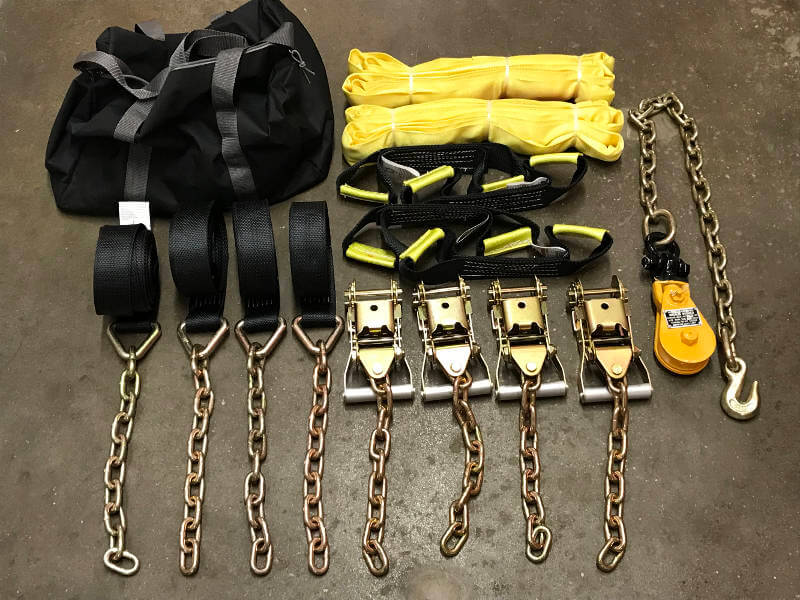
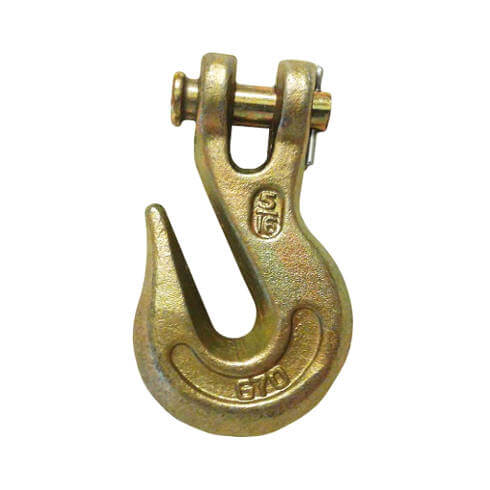
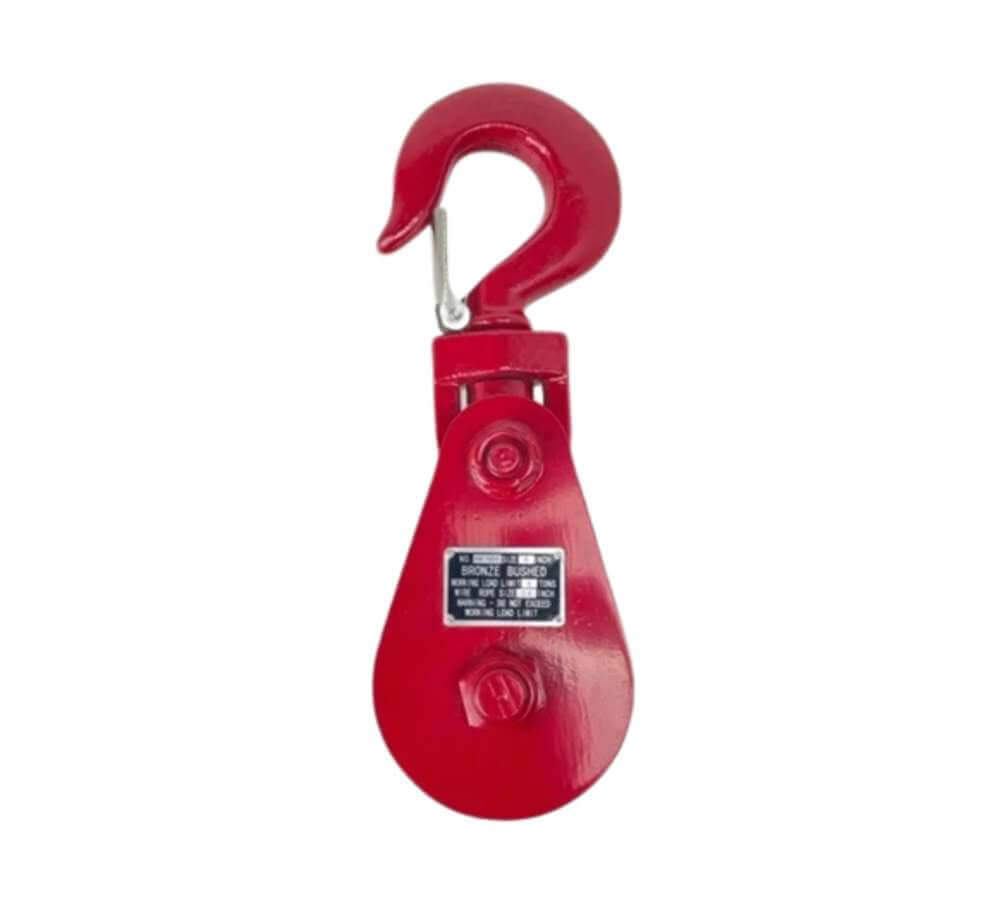
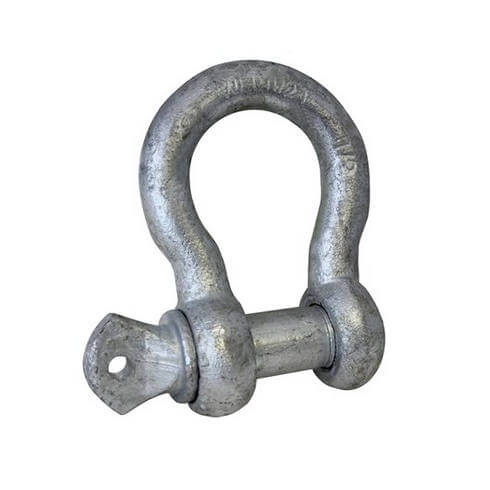
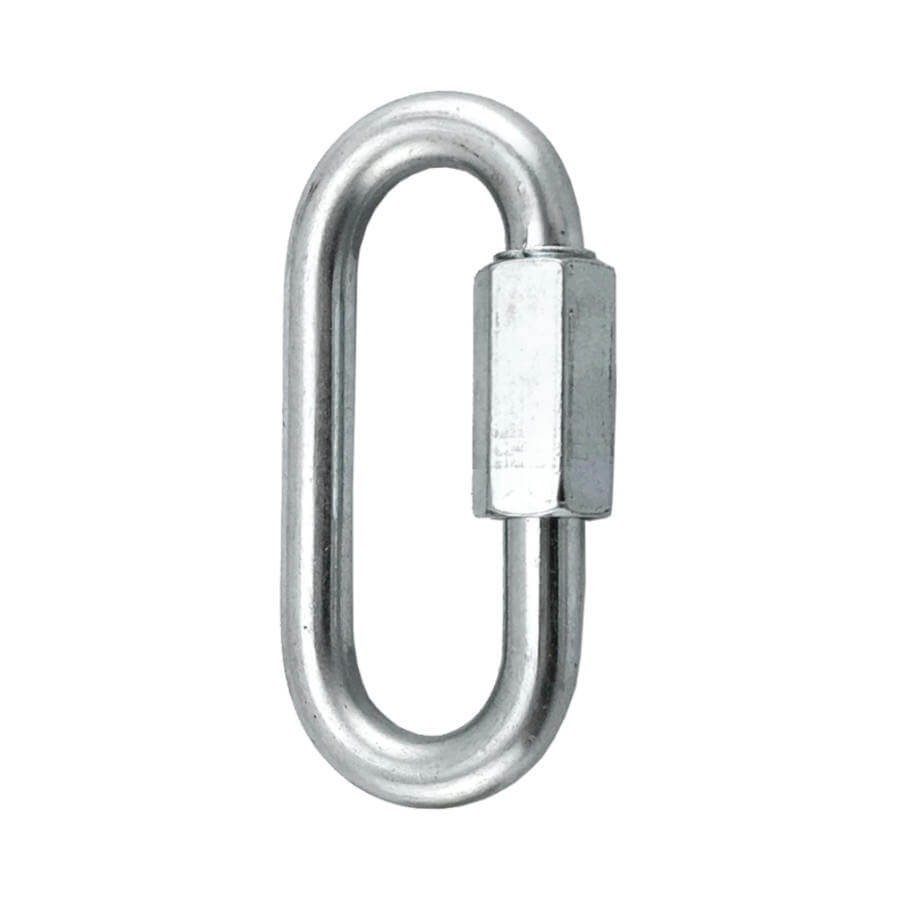
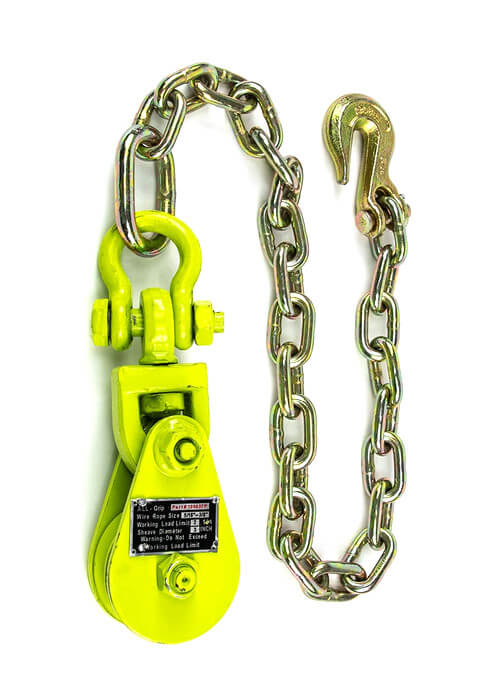
- Combined with snatch blocks, hooks, or shackles for complex lifts
- Adaptable to different anchor points on vehicles and terrain
Benefit: Operators can tackle complex recovery scenarios with a single piece of gear.
4. Minimal Stretch for Precision Recovery
Unlike synthetic straps that stretch under load, chains remain rigid.
- Provides precise control over lifting and pulling
- Reduces the risk of vehicles shifting unexpectedly
- Essential for accident scenes or precarious off-road recoveries
Benefit: Increased safety and confidence during heavy-duty recovery operations.
5. Enhanced Safety for Heavy Vehicles
Chains are less likely to fail catastrophically, which is critical when handling large loads.
- Rated to strict working load limits (WLL)
- High-visibility chains improve operator awareness
- Can be inspected for wear easily before every job
Benefit: Reduced risk of injury or equipment failure during recovery.
6. Ideal for Multi-Environment Use
Whether you’re:
- Recovering a truck from a roadside ditch
- Towing accident-damaged semis
…chain slings can handle harsh conditions without compromising performance.

Conclusion
For heavy-duty towing and recovery, chain slings are an indispensable tool. They combine strength, durability, versatility, precision, and safety, making them superior to many other lifting and towing options.
Operators who rely on chain slings can handle heavier loads with confidence, perform complex recovery maneuvers, and maintain safety in demanding environments. Investing in high-quality chain slings is a decision that pays off in efficiency, reliability, and peace of mind.

Thank you to Gene's Towing for the Truck Photography
📸 Instagram: https://www.instagram.com/genes_towing/
🌐 Website: Genestow
_______________________________________________________________
FAQ: Chain Slings in Heavy-Duty Recovery
Q: Can chain slings replace synthetic straps completely?
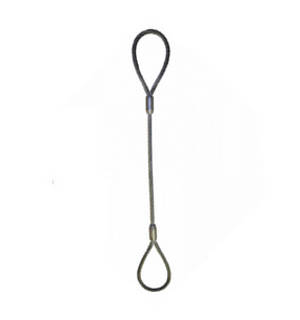
A: Not always—synthetic slings are better for delicate surfaces or lighter vehicles. Many pros carry both.
Q: How often should I inspect chain slings?
A: Inspect before every job for cracks, wear, or deformed links, and replace if any damage is found.
Q: Why choose Grade 100 over Grade 80
- Stronger: About 20–25% higher working load limit (WLL) than Grade 80
- Lighter: Same capacity with smaller diameter chain
- More efficient: Better strength-to-weight ratio
- Often preferred for modern lifting standards
Q: When should you use chain slings instead of other types?
A: Durability matters more than weight & Working in harsh environments.
Safety Note
When using chain slings, it is crucial that only trained professionals handle these tools. Always follow OSHA (Occupational Safety and Health Administration) rules and regulations to ensure safe and compliant lifting operations. Proper inspection, usage, and maintenance of equipment are essential to prevent workplace accidents and ensure the safety of all involved.

- Choosing a selection results in a full page refresh.