
















-
MENU


When setting up a rigging, lifting, or towing system, selecting the correct connection hardware is crucial for safety and performance. Two of the most commonly used attachments in overhead lifting and cargo control are clevis hooks and eye hooks.
While both serve to connect chains, wire ropes, or synthetic slings to load targets, their structural designs, attachment methods, and permanent vs. temporary installation capabilities differ significantly: A clevis hook connects directly to a compatible chain link using a pin, while an eye hook connects through its closed eye, typically using a coupling link, shackle, or other approved fitting.

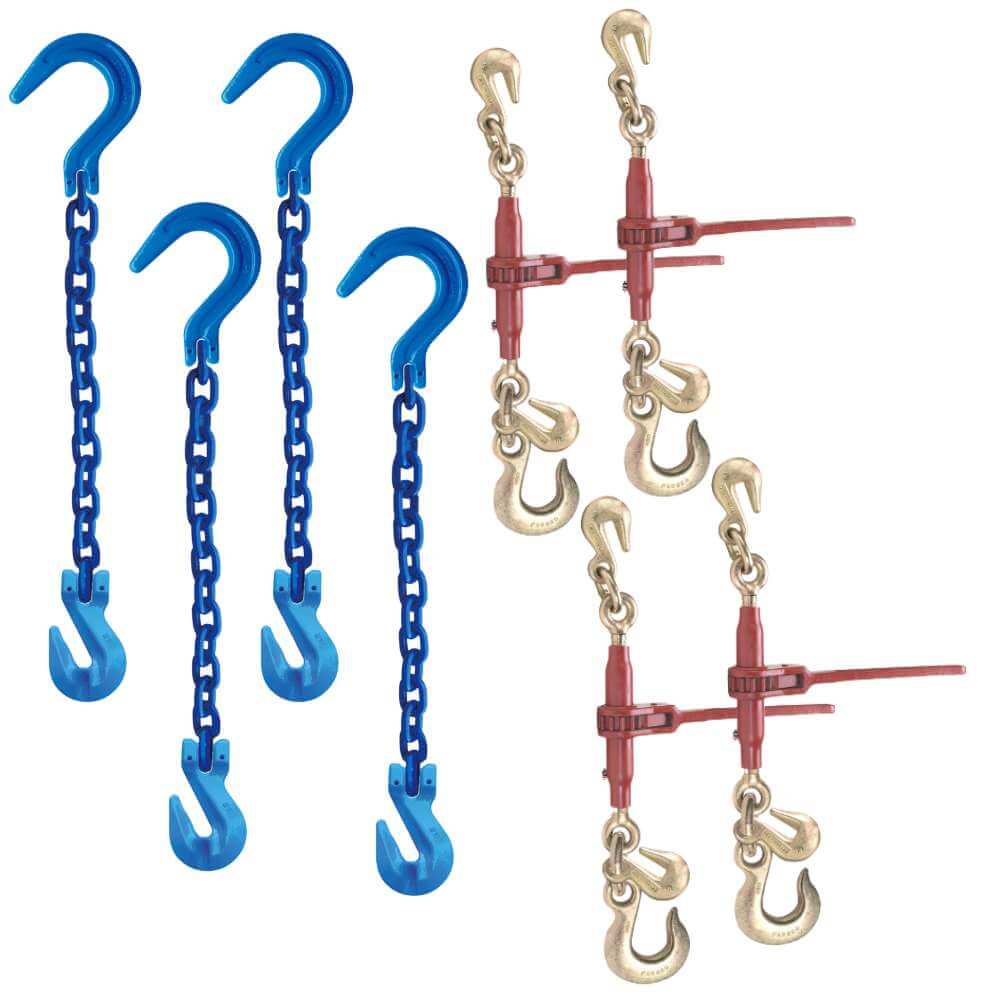
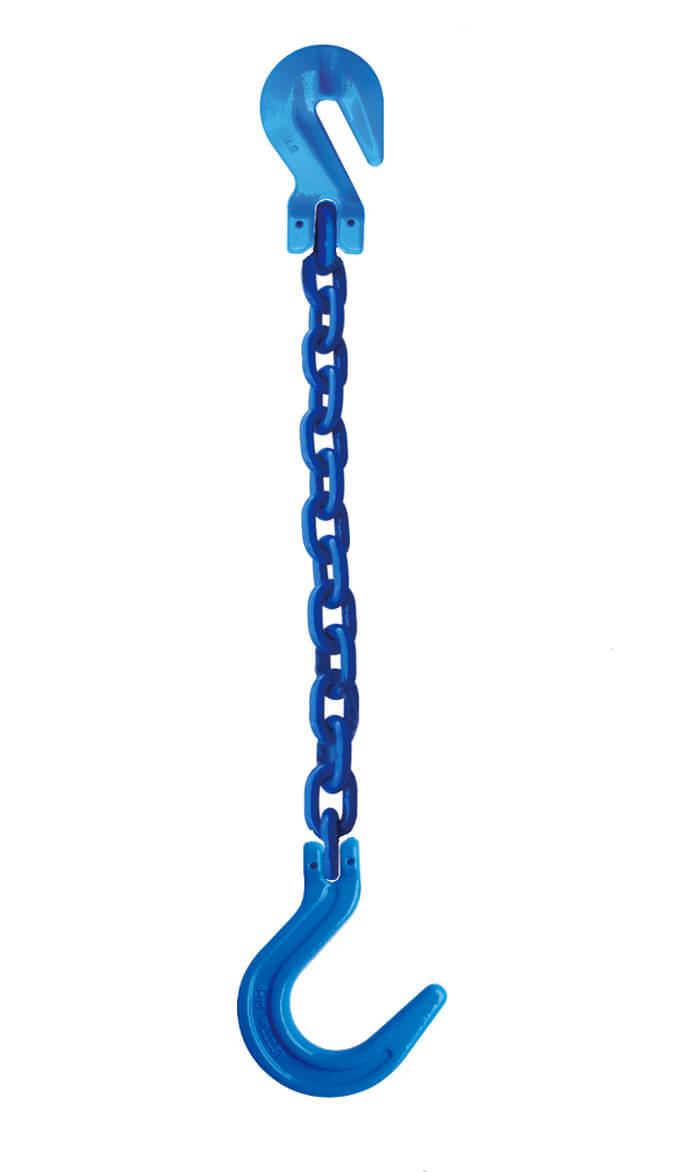
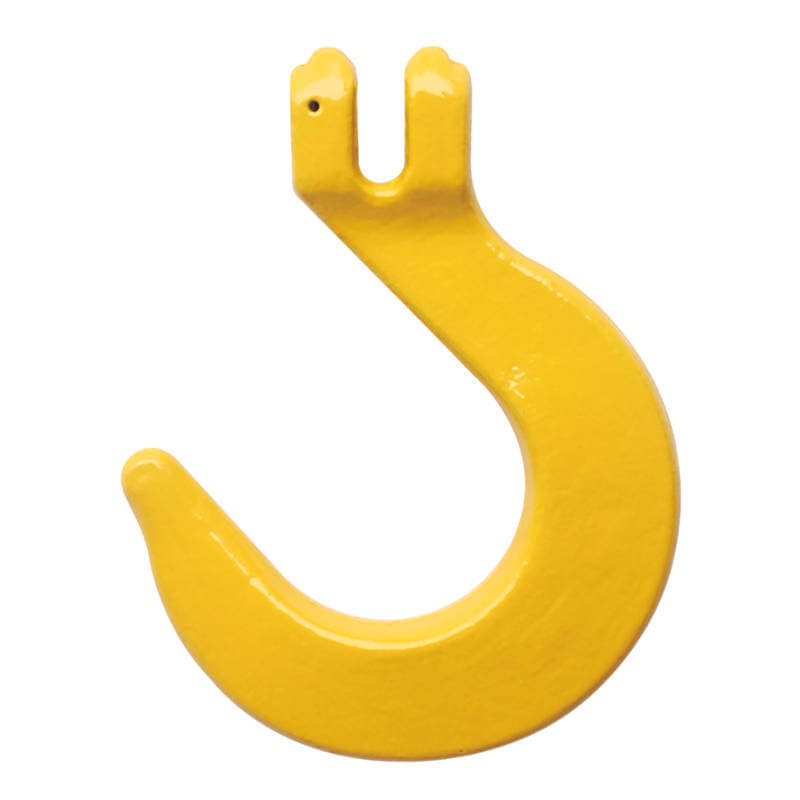
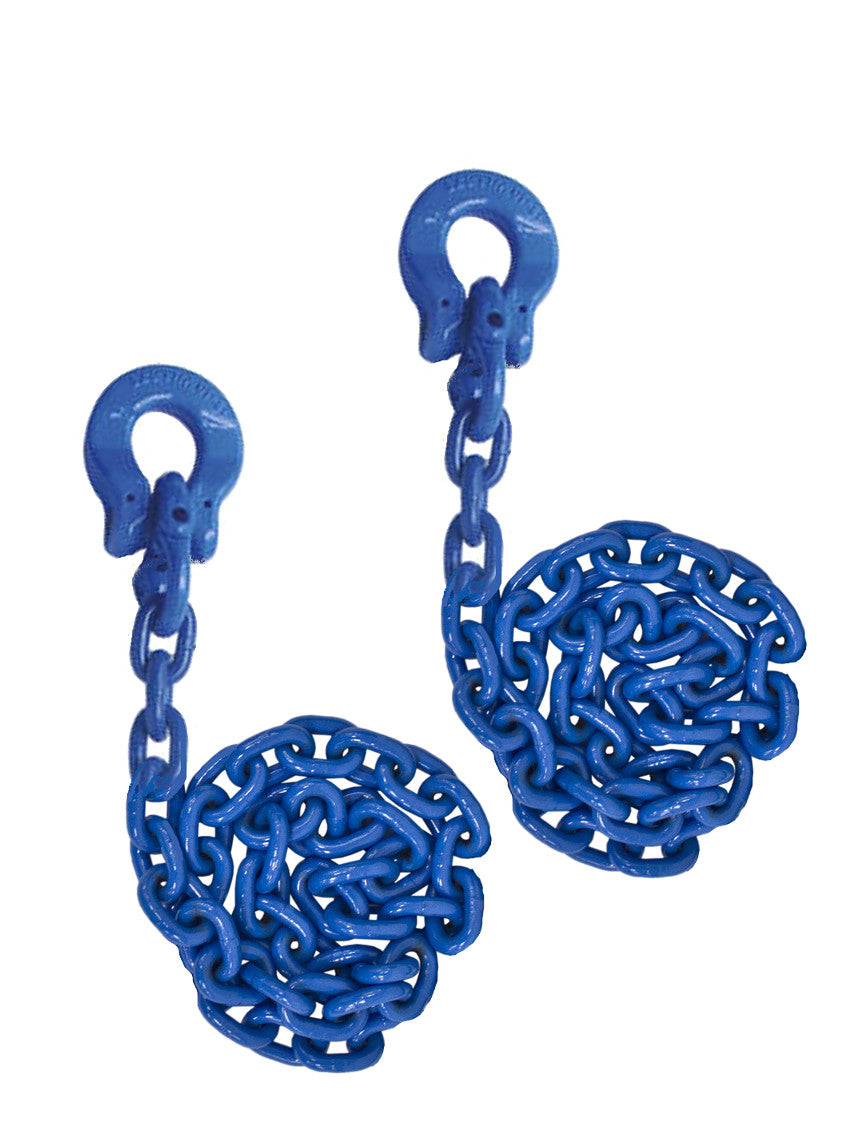
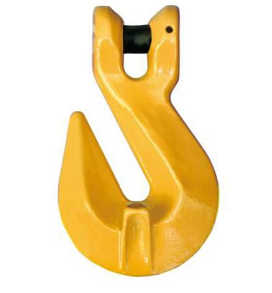
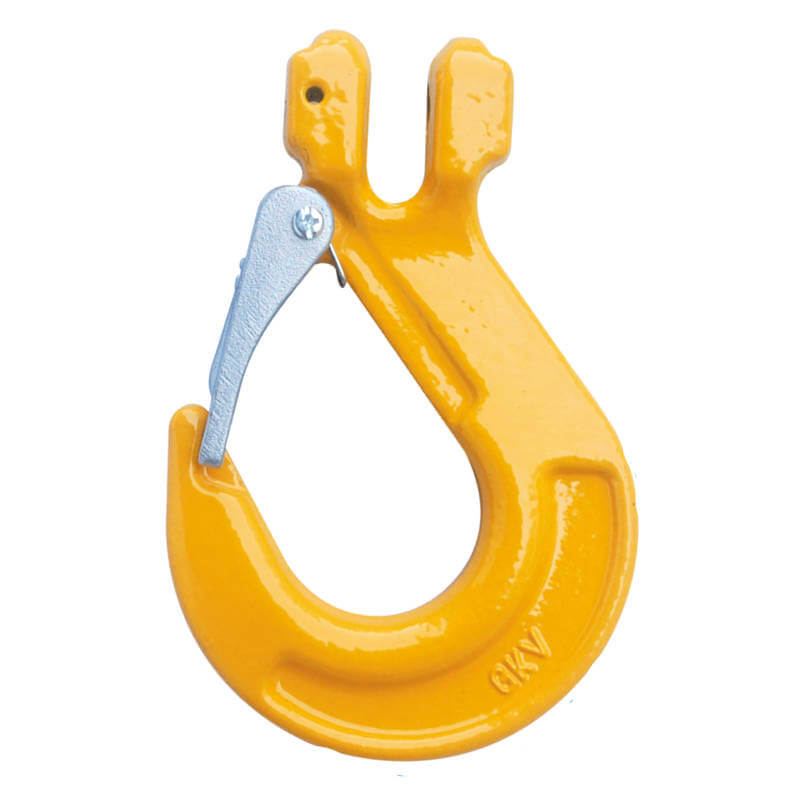
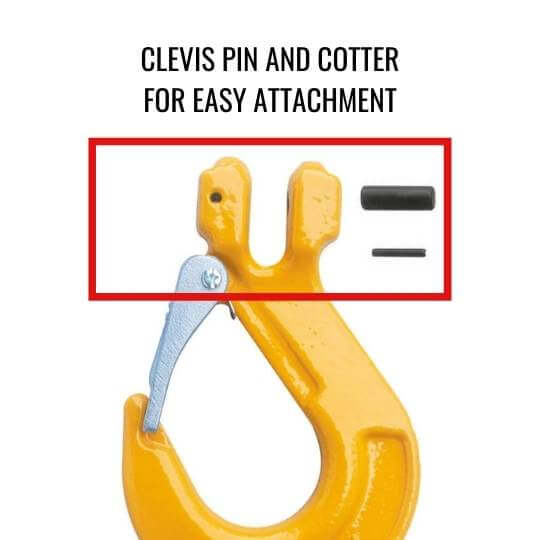
A clevis hook features a U-shaped attachment at the top with a removable pin. It connects directly to a chain link or rigging fitting using a removable pin.
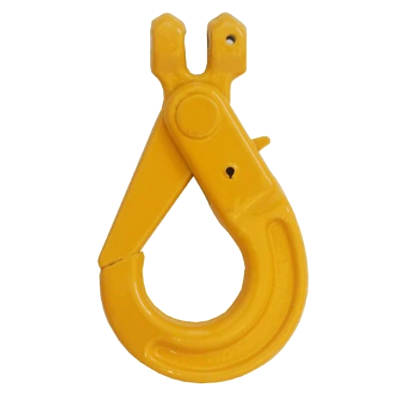
A clevis hook describes how the hook attaches to a chain—using a U-shaped clevis and pin. The hook itself can have different designs depending on its purpose.
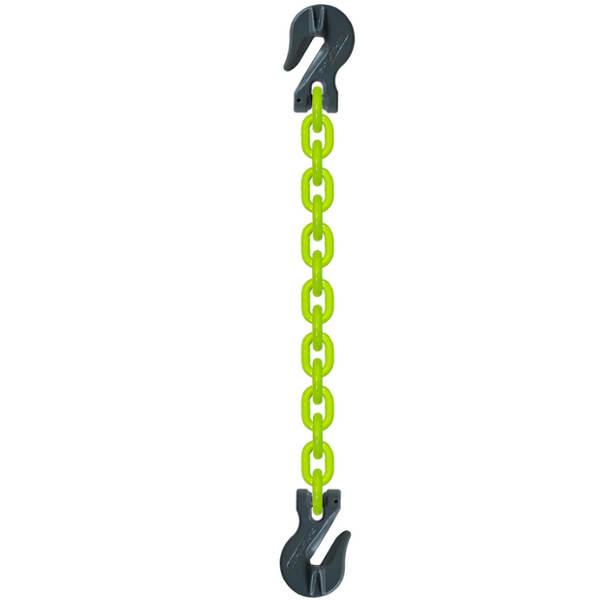
Clevis Grab Hook: Has a narrow throat designed to hold a specific chain link securely, often for shortening a chain or securing a load.
Clevis Locking Hook: Includes a locking mechanism that helps prevent the load or attachment from accidentally disengaging.
Clevis Sling Hook: Designed for use on compatible lifting sling assemblies. Depending on its design and rating, it may include a safety latch to help prevent accidental disengagement.
The key difference: “Clevis” refers to the attachment style, while “grab,” “locking,” and “sling” describe the hook's design or intended function. Not all clevis hooks are suitable for overhead lifting, so always check the manufacturer's specifications and Working Load Limit (WLL).
One of its main advantages is straightforward installation and replacement. Because it can connect directly to a compatible chain link, it can simplify assembly and reduce the need for additional connecting hardware.
Direct Chain Attachment: The clevis opening is dimensioned specifically to fit standard chain sizes (e.g., Grade 70, Grade 80, Grade 100).
Ease of Replacement: If a hook becomes damaged or worn, the cotter key and pin can be removed to replace the hook without discarding the chain.
Flexibility: Ideal for field applications where chain components need periodic reconfiguration or modular setup.
Clevis hooks come in different designs, grades, and capacities. Not every clevis hook is suitable for overhead lifting, so always verify the manufacturer's specifications.

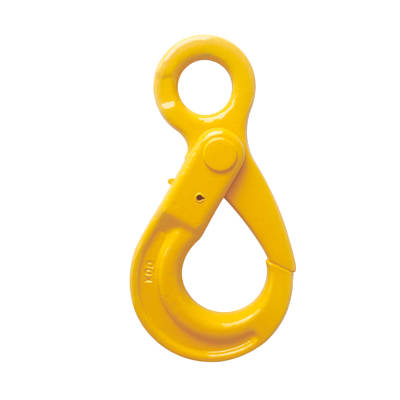
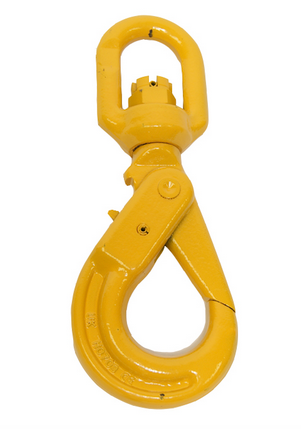
An eye hook has a closed, circular attachment point at the top. This eye connects to a chain, wire rope, or synthetic sling through compatible rigging hardware, such as a rated coupling link or shackle. Unlike the clevis hook, it lacks a mechanical opening pin.
Eye hooks offer flexibility when building rigging assemblies because the closed eye can accommodate different approved connection methods. They are often used in assemblies where the hook is intended to remain attached rather than be frequently replaced in the field.
Permanent / Semi-Permanent Mounting: The closed eye must be connected using a shackle, mechanical coupling link (like a Hammerlock), or direct wire rope/sling eye splicing.
Higher Articulation: Once attached via a shackle or coupling link, the eye hook provides superior multi-directional movement and flexibility under tension.
Reduced Component Wear: Because there are no removable pins in the hook body itself, eye hooks eliminate the risk of lost cotter keys or pin sheer points within the primary hook assembly.
| Feature | Clevis Hook | Eye Hook |
| Top Attachment | U-shaped clevis throat secured with a removable pin & cotter key | Permanent closed circular eye loop |
| Connection Type | Direct attachment to chain links | Requires hardware (shackle, coupling link, or splice) |
| Installation | Quick, tool-less assembly and disassembly | Permanent welded or spliced connection |
| Best Used For | Transport tie-downs, towing, adjustable chain slings | Fixed rigging assemblies, wire rope/synthetic sling integration |
| Maintenance | Requires inspection of cotter key and pin wear | Simple solid-body inspection |
Choose a clevis hook if you are connecting directly to a transport chain or grade-rated lifting chain without extra connection hardware.
Choose an eye hook if you are building wire rope assemblies, using synthetic web slings, or constructing permanent sling legs using mechanical coupling links.
Eye hooks offer greater rotational freedom when paired with standard shackles, reducing twisting stress on wire rope or slings.
Clevis hooks provide a rigid, inline axis connection directly with the chain link.
Clevis hooks allow rapid on-site assembly using basic hand tools to secure the cotter pin.
Eye hooks require additional hardware or permanent splicing methods for assembly.
Yes, but only if it is forged from alloy steel rated Grade 80, Grade 100, or higher and fitted with an approved safety latch. Chain & hook size must be comparable.
When manufactured from the same grade of alloy steel and sized identically, both hook types offer equivalent Working Load Limits (WLL). Strength depends on the steel grade and component rating, not the attachment style alone.
The cotter pin acts as a safety retaining device that prevents the load pin from sliding out of the clevis throat during operation or vibration.
Both clevis hooks and eye hooks are useful rigging components, but the right choice depends on how the hook connects to your equipment and the application. Clevis hooks offer a direct chain connection, while eye hooks provide a closed attachment point for compatible rigging hardware.
Looking for clevis hooks, eye hooks, or other rigging components? Explore Baremotion’s selection of rigging hardware to find the right products for your application. Always check product specifications and ratings before use.

Stay updated with our latest news and insights

