



-
MENU


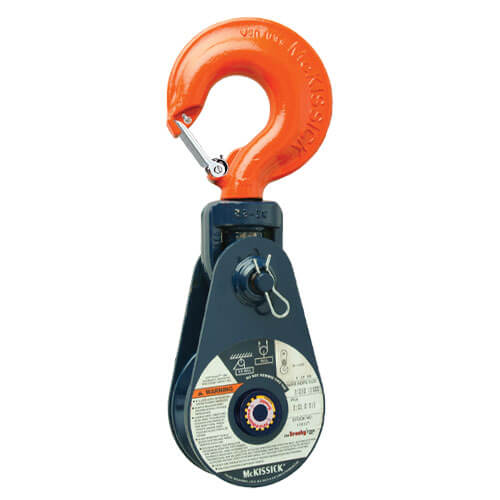
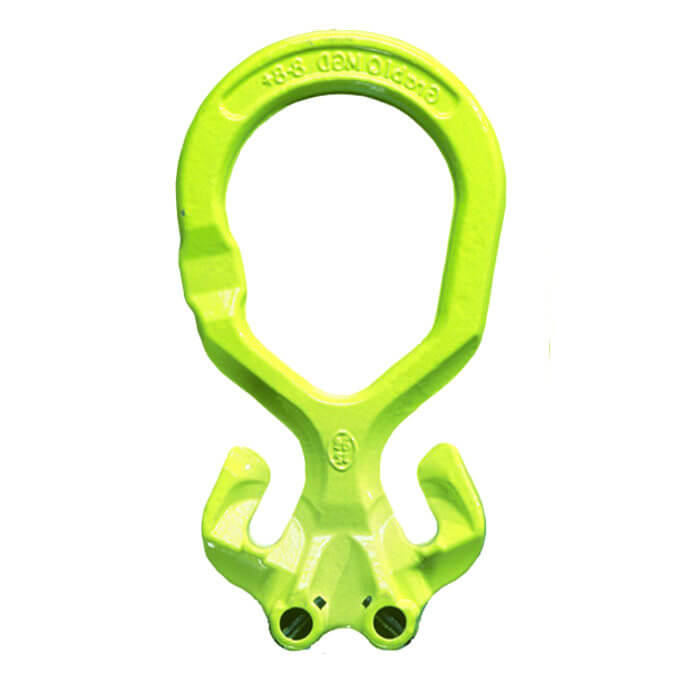


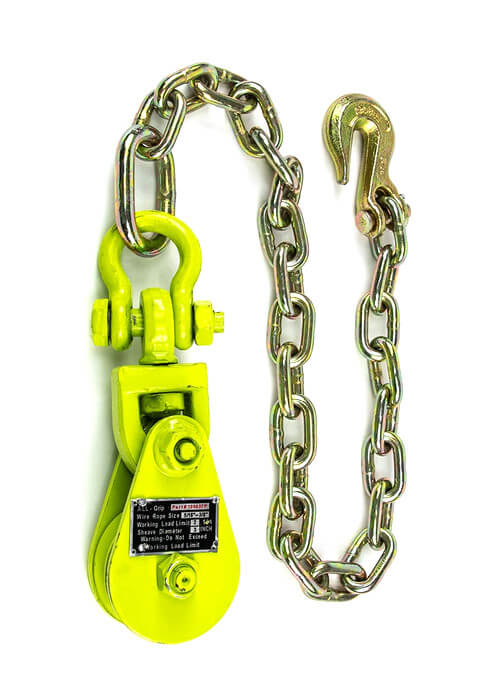
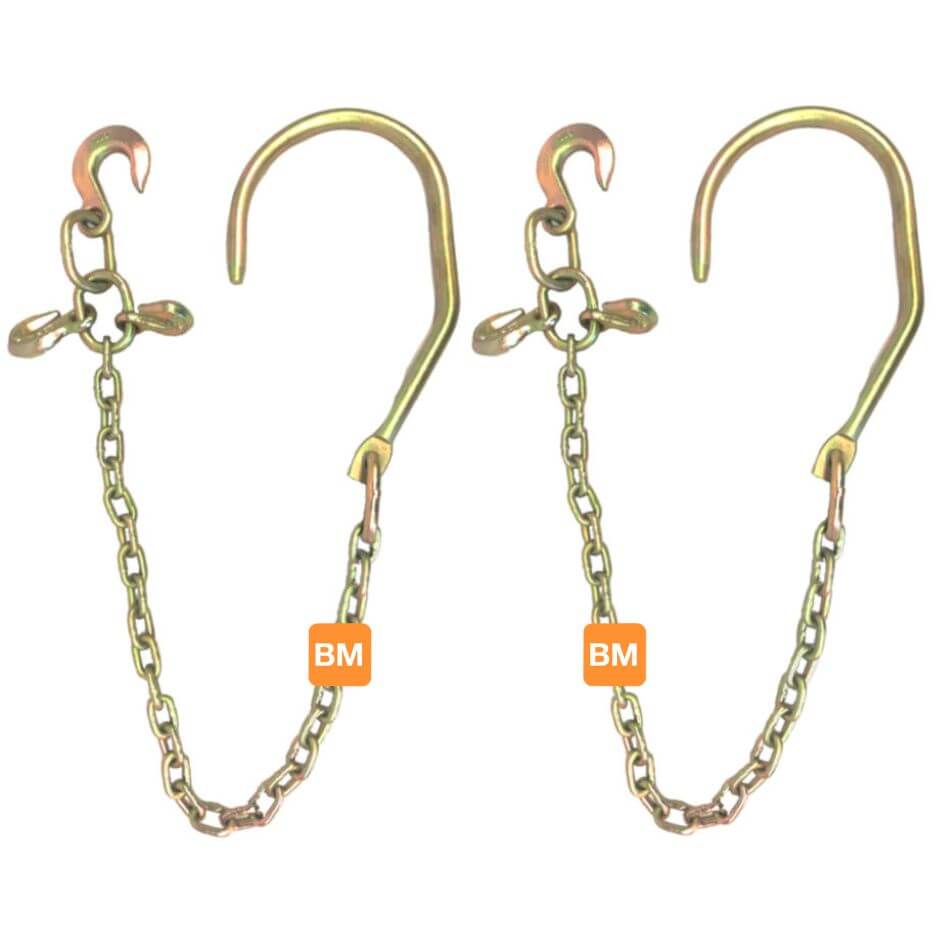






Ultimate Guide to Lifting Hooks on Chain Slings
Choosing the Right Hook for Your Chain Sling
In any lifting operation, the entire system is only as strong as its weakest link. While the chain sling itself provides the core strength, the hook is the critical connection point where the sling meets the load. Choosing the right hook isn't just a matter of preference; it's a crucial decision that directly impacts safety, efficiency, and the success of the lift.
Using the wrong hook can lead to load slippage, equipment damage, or even catastrophic failure. This guide will explore the main types of lifting hooks used with chain slings and compare their unique features and ideal applications.
Why the Right Hook Matters
The hook is the final point of contact with the load. Its design dictates how it engages with an anchor point, how it secures the load during movement, and how it performs under different types of stress. A hook designed for a straight vertical lift may be unsuitable for a choker configuration, and a hook meant for a foundry will have different properties than one used in general construction.
Understanding the distinctions between hook types is fundamental for any rigger or operator. It ensures compliance with safety standards, protects your valuable assets, and, most importantly, keeps your team safe.

Comparing the Main Types of Lifting Hooks
1. Sling Hooks

Sling hooks are among the most common types used on chain slings. They feature a wide throat opening, making them versatile for general lifting tasks. Sling hooks come equipped with a safety latch—a simple spring-loaded clip that spans the throat opening to prevent the load from accidentally slipping out.
-
Features: Wide throat, simple safety latch.
-
Advantages: Can be used for a wide range of general lifting applications. Easy to use quick and straightforward to attach and detach from loads.
- Safety Consideration:The standard safety latch is not designed to support the load. It is only a positioning device to prevent accidental disconnection. If the hook is tip-loaded or the latch is damaged, it can fail.
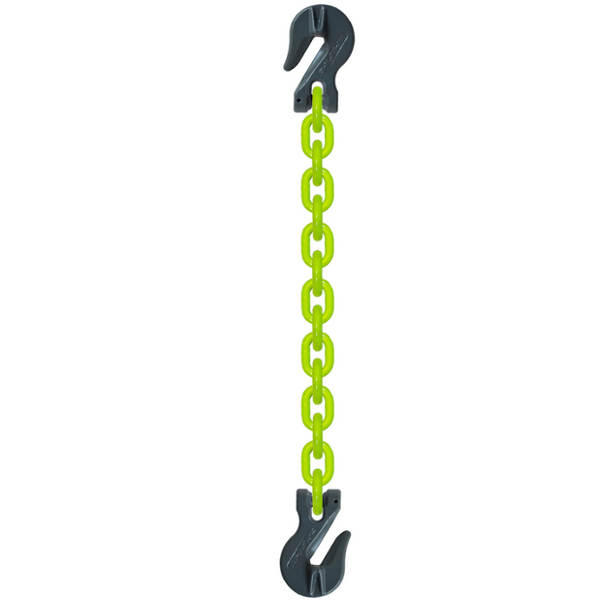
2. Cradle Grab Hooks

A grab hook is designed with a very shallow, narrow throat. This specific design allows it to "grab" a link of the chain, making it perfect for shortening or adjusting the length of a sling leg. It is not intended to connect directly to a lifting point on a load.
-
Features: Narrow throat designed to cradle a chain link.
-
Advantages: Allows operators to easily shorten a chain sling leg for better load control or to accommodate loads of varying sizes.
- Safety Consideration: Grab hooks should never be used to tip-load. Using them to connect directly to a load's anchor point is improper use.
3. Self-Locking Hooks

A self-locking hook is a significant safety upgrade from a standard sling hook. As its name implies, it automatically locks when a load is applied and cannot be opened until the load is released. The locking mechanism is more robust than a simple latch, providing a much more secure connection.
-
Features: Positive locking mechanism that engages under load.
-
Advantages: Reduces the risk of accidental unhooking.
- Safety Consideration: While highly secure, the locking mechanism must be inspected regularly to ensure it is clean, lubricated, and functioning correctly. Debris or damage can prevent it from locking properly.
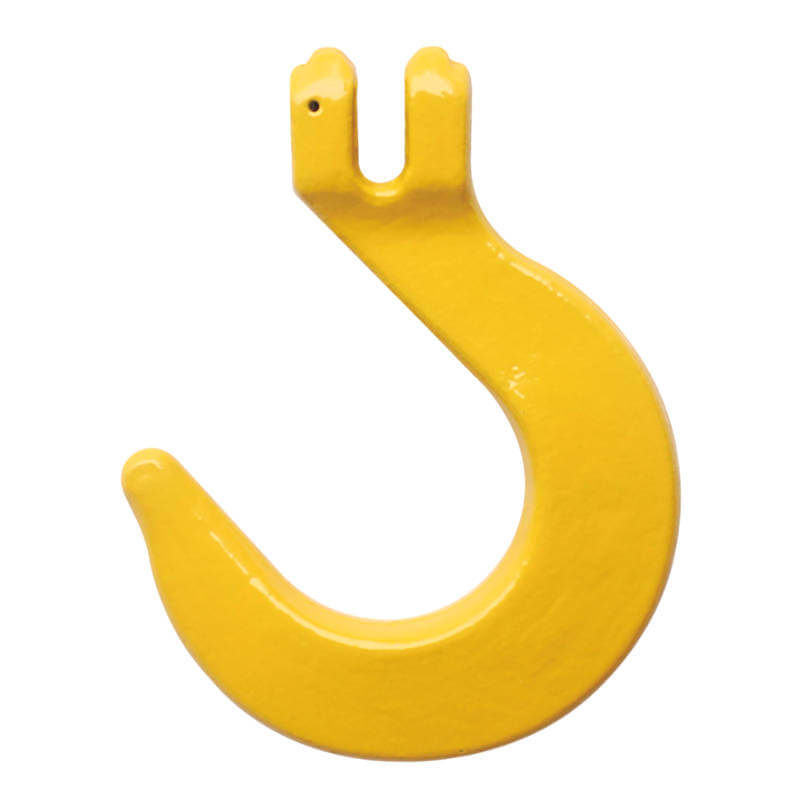
4. Foundry Hooks

Foundry hooks are specialty hooks designed for the extreme conditions found in foundries, steel mills, and other high-temperature environments. They are characterized by a very large, extra-deep throat and a rugged, handle-like design. They do not have a safety latch, as it would fail in extreme heat.
-
Features: Extra-wide and deep throat, no latch, robust design.
-
Advantages: The large throat allows for quick attachment and detachment of loads.
- Safety Consideration: The absence of a latch means that operators must be exceptionally careful to avoid slack conditions where the hook could disengage.
Quick Comparison Table
| HOOK TYPE | DESIGN FEATURES | BEST FOR | ADVANTAGES | LIMITATIONS |
| GRAB HOOK | Narrow throat design | Adjusting sling length, load binding, securing loads | Allows quick sling shortening, strong hold, prevents slipping | Not designed to attach directly to loads; smaller throat limits use |
| SLING HOOK | Wide throat opening, easy chain connection – Safety latch | General lifting tasks, everyday material handling | Simple to use, versatile, durable | Load can slip if not properly latched; less secure than locking hooks |
| SELF LOCKING HOOK | Automatic locking mechanism closes under load | Overhead lifting, safety-critical operations | Prevents accidental release, meets strict safety standards | Heavier, more expensive, requires proper maintenance |
| FOUNDRY HOOK | Large, wide-open throat without latch | Lifting oversized or bulky items, foundry/steelwork use | Easy to attach bulky loads quickly, strong design | No latch = higher risk of load disengagement; not suitable for all lifts |
Final thoughts:
Selecting the right hook for your chain sling isn't just about efficiency—it's about safety. Each type has unique advantages and limitations. When choosing, always consider:
- The load type and weight.
- The operating environment (heat, chemicals, outdoor).
- Safety requirements and regulations. Matching the correct hook to the job ensures safer, more effective lifting.
- Never compromise on quality
Safety Note
When using lifting hooks and chain slings, it is crucial that only trained professionals handle these tools. Always follow OSHA (Occupational Safety and Health Administration) rules and regulations to ensure safe and compliant lifting operations. Proper inspection, usage, and maintenance of equipment are essential to prevent workplace accidents and ensure the safety of all involved.

- Choosing a selection results in a full page refresh.