











-
MENU


On a shackle, the WLL is the maximum load the shackle is rated to safely support under the specified conditions of use.
It is one of the most important markings to check when selecting a shackle for lifting or rigging.
The WLL tells you how much load a shackle is designed to handle safely.
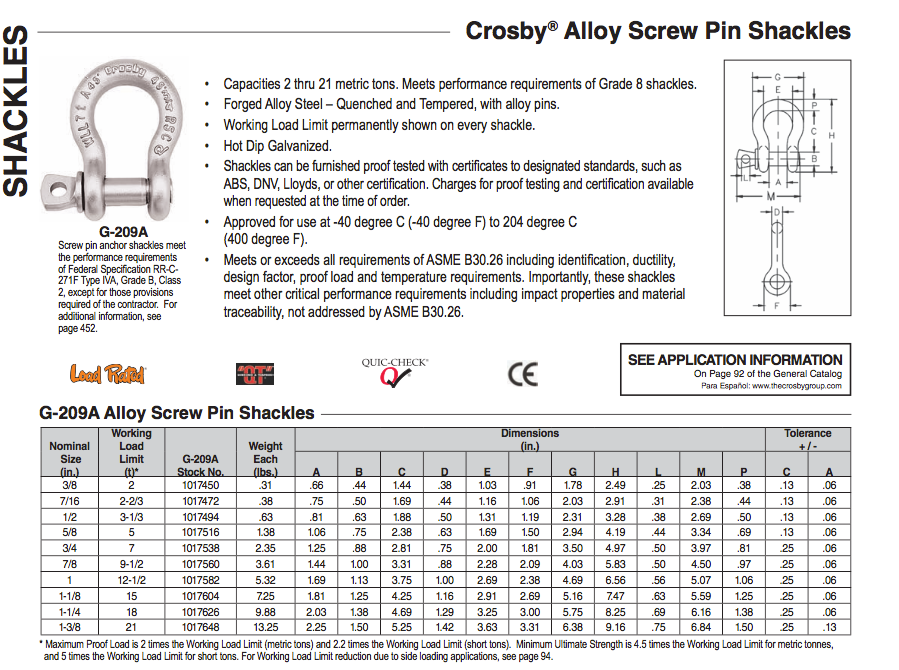
For example, a shackle marked: WLL: 12.5 Ton is rated for a maximum working load of 12.5 tons when used according to the manufacturer's specifications.
WLL is different from breaking strength. Breaking strength refers to the load at which a component may fail during testing, while WLL is the rated working capacity intended for normal use.

The shackle's WLL should be appropriate for the load being lifted or secured.
As a basic rule:
Load weight ≤ Shackle WLL
For lifting applications, also consider the hitch configuration, sling angle, side loading, and any other conditions specified by the manufacturer. A shackle should never be loaded beyond its marked WLL.
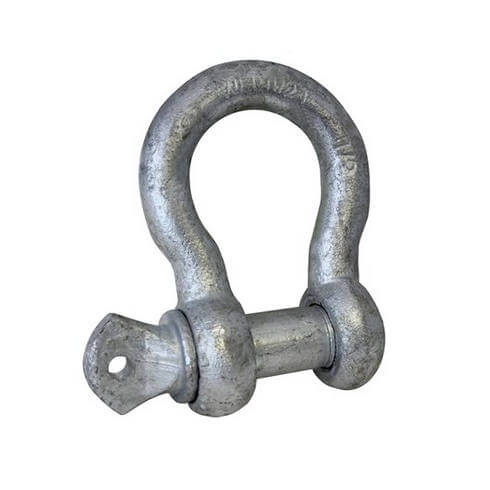
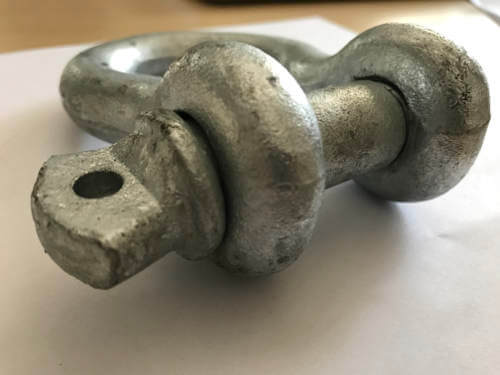
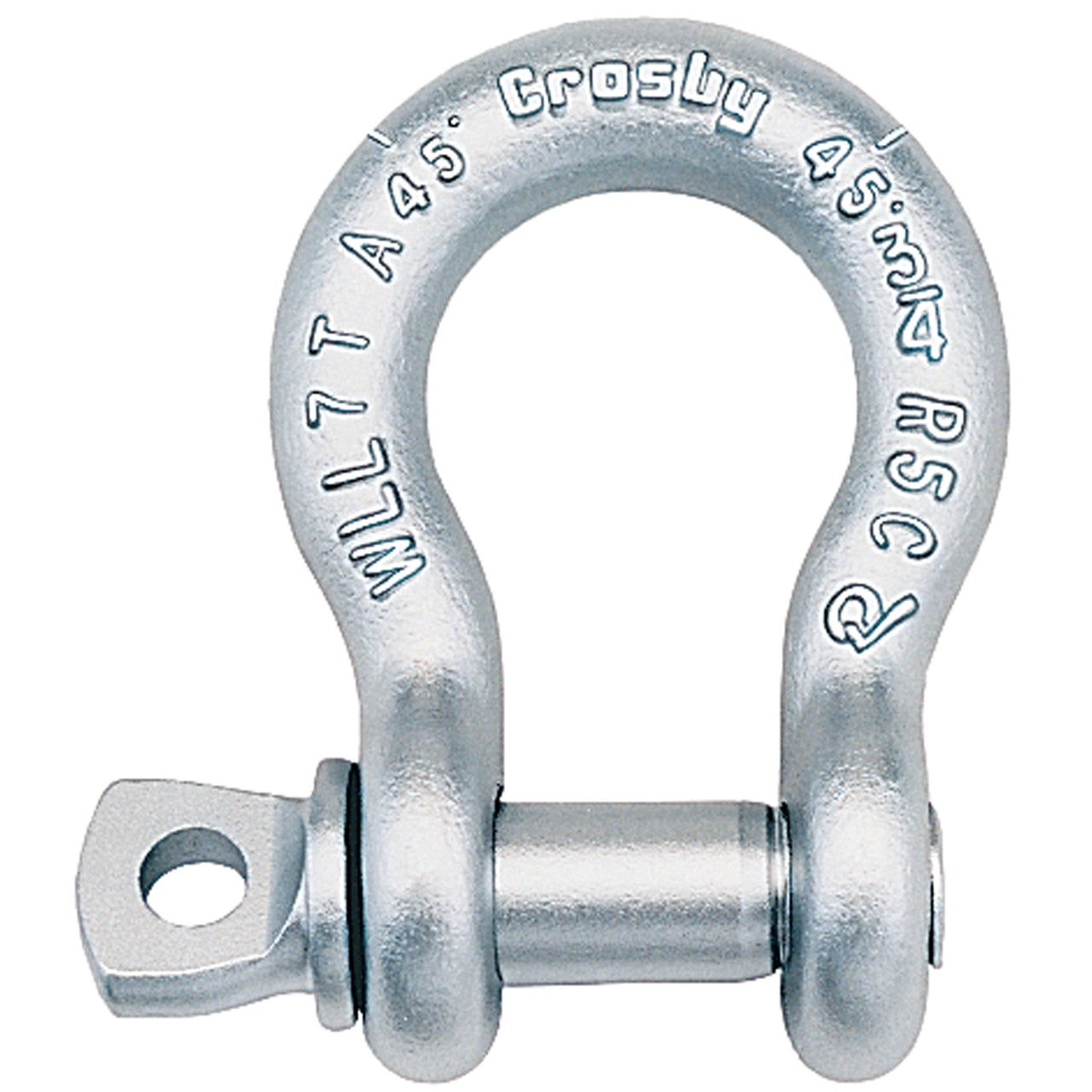
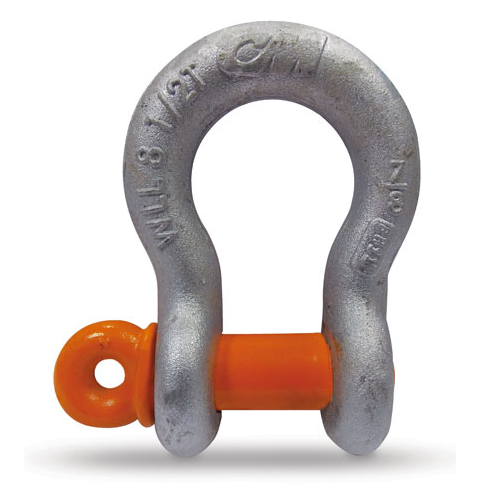
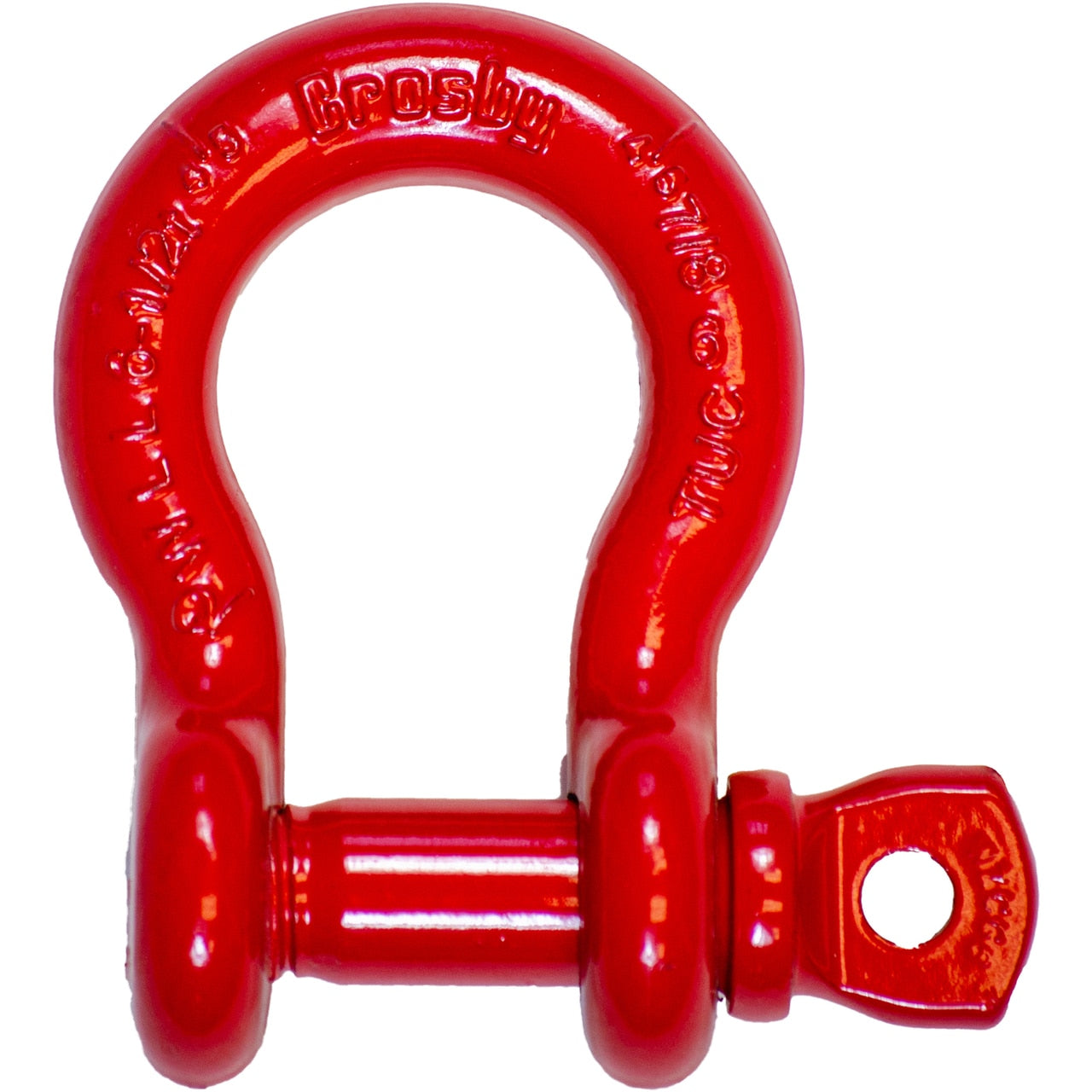
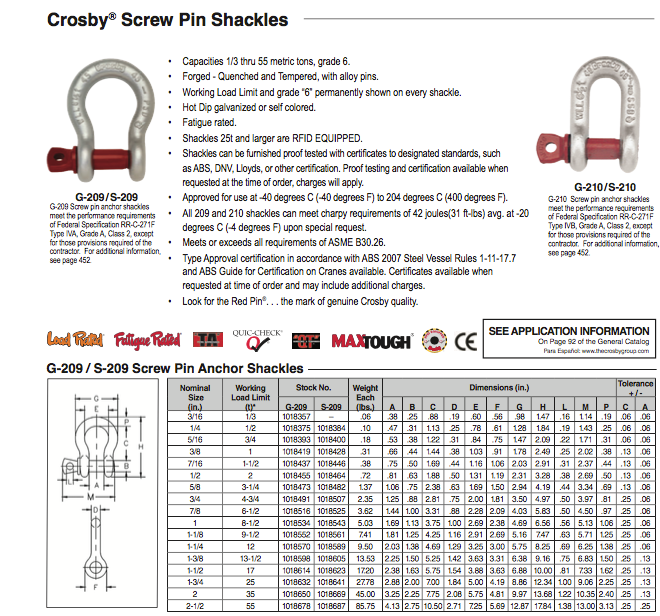
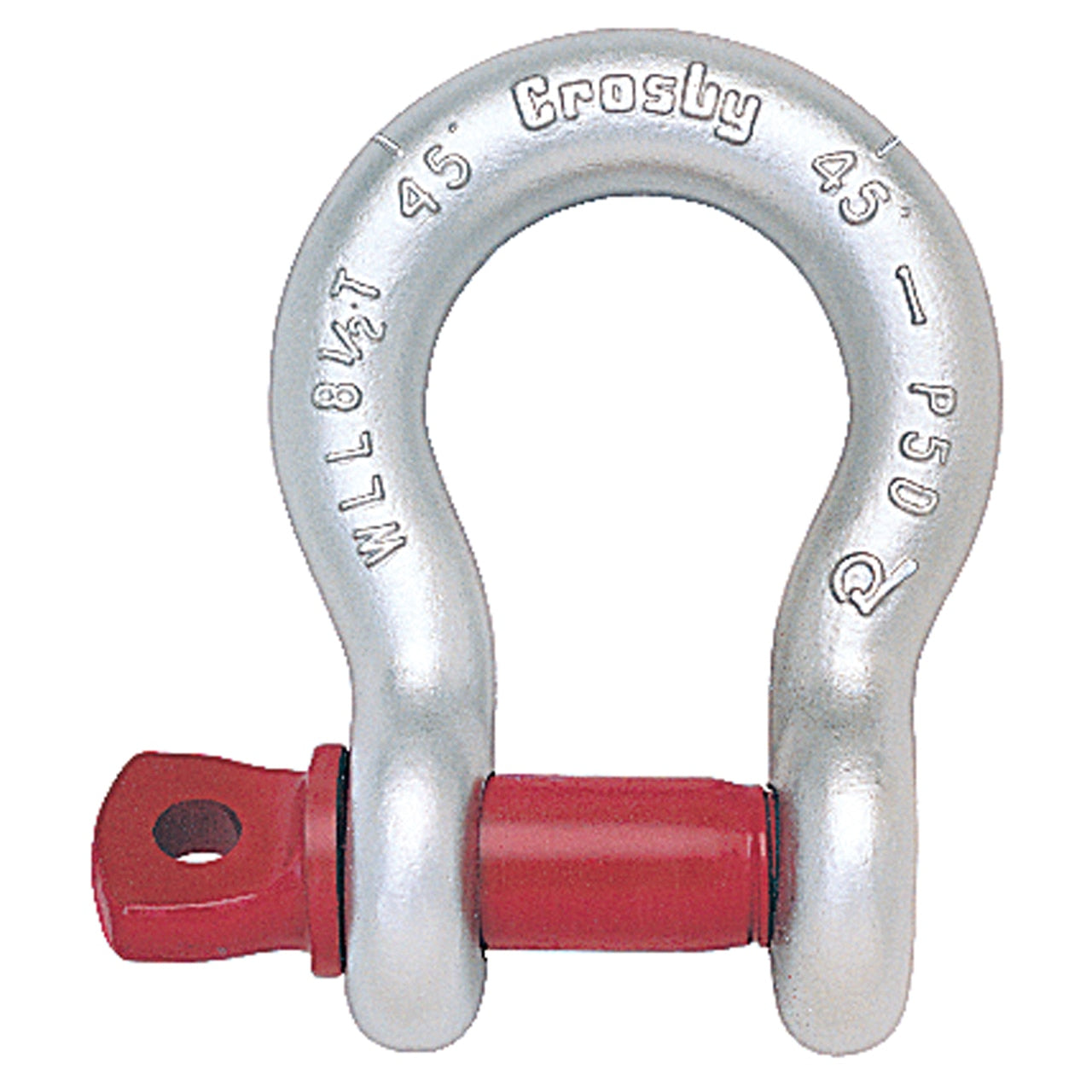
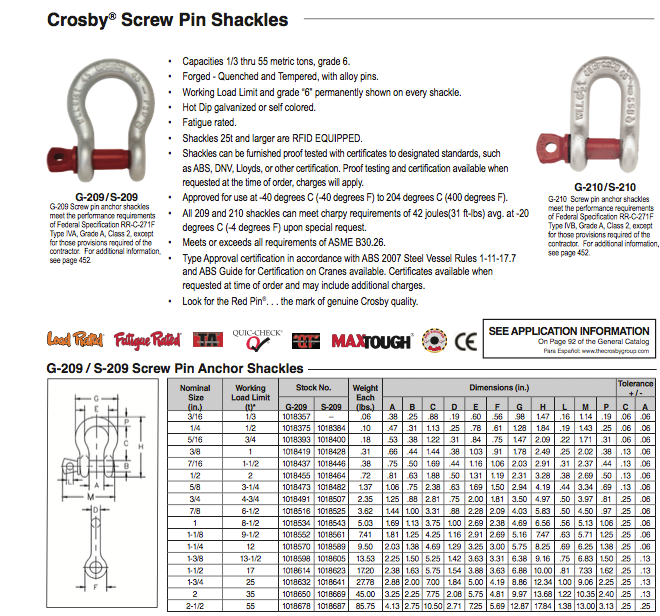
The WLL is typically marked directly on the shackle body, along with other information such as:
Always check the actual markings and manufacturer's specifications rather than assuming capacity based only on shackle size.

These terms are not interchangeable.
| Term | Meaning |
|---|---|
| WLL | Maximum rated working load |
| Breaking Strength | Load at which the component may fail during testing |
For lifting and rigging, WLL is the rating you use when determining the appropriate shackle for the job.
Safety Rating, Not Failure Point: Never exceed the WLL stamped on the shackle body. Exceeding this limit compromises the structural integrity of the metal.
In-Line vs. Side Loading: The WLL rating assumes an inline (straight line) pull. Pulling at an angle reduces the actual capacity significantly:
45° Angle: Capacity drops to ~70% of WLL.
90° Angle: Capacity drops to ~50% of WLL.
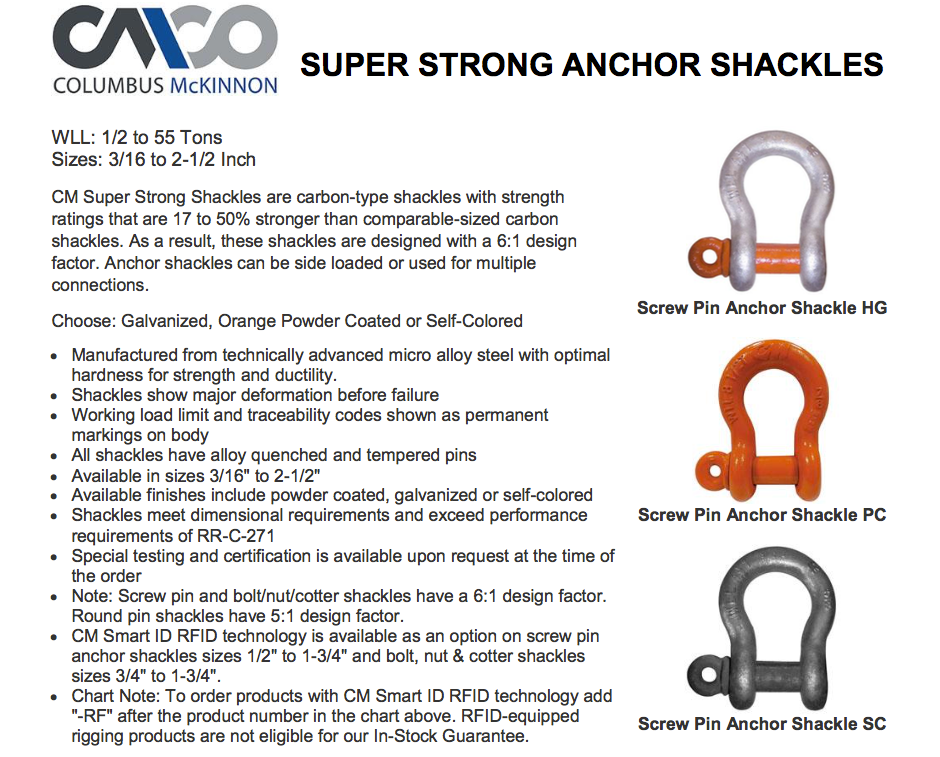
Safety Factor Ratio: Rigging shackles are built with a design factor (usually 4:1 to 6:1).
WLL vs. SWL: You may occasionally see SWL (Safe Working Load). SWL is an older term, but for practical field use, it means the exact same thing as WLL.
WLL means Working Load Limit. It tells you the maximum rated load a shackle is designed to safely handle under specified conditions.
Before using a shackle, check its WLL, markings, configuration, and manufacturer's specifications to make sure it is appropriate for the application.

Stay updated with our latest news and insights

