



-
MENU









The Ultimate Guide to Screw Pin Anchor Shackles for Rigging: Styles, Materials, Coatings, and Industry Uses
Every safe lift begins with the right connection. Screw pin anchor shackles are one of the most widely used rigging and lifting components across industrial, marine, construction, and energy sectors. Known for their strength, versatility, and ease of installation, these shackles play a critical role in safe load handling.
This guide breaks down what screw pin anchor shackles are, the different styles available, the materials and coatings they come in, and which industries use each type.

What is a Screw Pin Anchor Shackle?
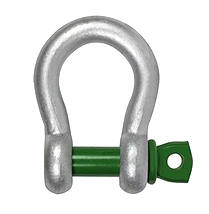
A screw pin anchor shackle is a U-shaped piece of metal secured with a clevis pin or bolt across the opening. Specifically, the "anchor" (or "bow") shape allows for a wider loop, which makes these shackles ideal for side-loading or connecting multiple legs of a sling to a single point.
The "screw pin" refers to the mechanism used to close the shackle. A threaded pin is inserted through one ear and screwed into the other. This design allows for quick and easy assembly and disassembly, making it the preferred choice for temporary applications or situations where rigging needs to be changed frequently.
Bolt-Type Anchor Shackles (Alternative Use)
Bolt-type anchor shackles use a bolt, nut, and cotter pin to prevent pin rotation and are preferred for permanent or high-vibration applications. While screw pin anchor shackles are ideal for temporary rigging and frequent adjustments, bolt-type shackles provide added security where mechanical retention is required.


Material Selection: Strength vs. Durability
Manufacturers forge shackles from different grades of steel to achieve specific working load limits (WLL) and environmental resistances.
Carbon Steel Shackles
Carbon steel is the most common material for general-purpose shackles. It offers a reliable balance of strength and ductility.
Characteristics:
- High Strength
- Tough
- Cost effective
Industries:
- Construction
- Manufacturing
- Standard connection needs
Best Use: Standard rigging operations where extreme weight-to-size ratios are not the primary concern.

Alloy Steel Shackles
When you need to lift heavier loads without increasing the physical size of your hardware, alloy steel is the answer. They are engineered for higher load capacities and demanding environments.
Characteristics:
- Higher tensile strength than carbon steel
- An alloy shackle can often achieve the same Working Load Limit (WLL) as a carbon shackle but with a smaller physical dimension.
Industries:
- Oil & Gas
- Mining: Oversized alloy steel shackles
- Heavy equipment lifting
- Energy & Utilities
Best Use: Heavy construction and industrial lifting where space is limited but loads are massive.

Stainless Steel Shackles:
Stainless steel shackles typically contain chromium, which provides an invisible layer of protection against rust. While they are often rated with a slightly lower WLL than their carbon counterparts, their longevity in harsh environments is unmatched.
Characteristics:
- Excellent resistance to rust and chemicals
- Lower WLL compared to alloy steel
Industries:
- Marine and offshore - Preferred Shackle: 316 Stainless Steel.
- Chemical plants
- Food processing
Best Use: Widely used in the Marine industry. Many jewelers also incorporate Stainless steel shackles into there designs.
Understanding Shackle Coatings
Once the material is chosen, the coating determines how long the shackle will last in the field. The environment in which you operate should dictate the finish you choose.
Hot-Dip Galvanized
This is the industry standard for tough, outdoor rigging.
Benefits & Protection:
- Thick zinc coating - If the shackle is scratched, the zinc corrodes before the steel does.
- Superior corrosion resistance
-
Durability: It provides long-lasting protection against elements, mud, and rain.
Industries used in:
- Outdoor lifting & rigging
- Marine environment
- Utility and infrastructure projects

Painted or Powder Coated
You will often see shackles painted in bright colors like blue, green, or red. While this adds a layer of protection, it also serves a functional purpose: branding and identification.
Benefits & Protection:
- Paint protects the steel from direct contact with moisture but can chip off during heavy use.
- Easy visual identification
- Cost-effective
- Many manufacturers use specific colors to indicate the grade of the shackle or to trademark their brand (e.g., a specific color pin).
Industries used in:
- Construction sites
- General rigging
- Indoor environments
- Black coated for theatrical stage and event rigging

Self-Colored (Black Oxide) or Plain Finish:
"Self-colored" essentially means the shackle has no added coating other than a light oil or black oxide finish.
Benefits & Protection:
- Low protection: These shackles will rust quickly if exposed to moisture.
- No coating interference
Industries used in:
- They are also preferred in theatrical rigging where shiny, reflective gear is undesirable.
Critical Safety Considerations
Regardless of the material or industry, proper usage is non-negotiable. Screw pin anchor shackles are versatile, but they have limitations.
-
Clearly stamped Working Load Limit (WLL)
-
Compliance with ASME B30.26 or ASTM standards
-
Proper pin engagement (fully seated and tightened)
-
No signs of deformation, cracks, or corrosion
Never exceed rated capacity and avoid side loading unless explicitly allowed by the manufacturer.
Frequently Asked Questions (FAQ)
What’s the difference between a screw pin and bolt-type anchor shackle?
Screw pin shackles are best for temporary rigging and frequent adjustment, while bolt-type anchor shackles are preferred for long-term or vibrating loads where the pin must be mechanically secured.
How do I know what size screw pin anchor shackle to use?
Choose a shackle based on the required Working Load Limit (WLL), not the pin diameter. The WLL should exceed the maximum expected load, including any dynamic or shock loading.
Can screw pin anchor shackles be used for overhead lifting?
Yes, as long as the shackle is rated for overhead lifting, clearly marked with a Working Load Limit (WLL), and used in accordance with ASME B30.26 or manufacturer guidelines.
Are screw pin anchor shackles safe for side loading?
Anchor shackles can tolerate limited side loading due to their rounded bow, but capacity is reduced. Always consult the manufacturer’s load reduction charts and avoid side loading whenever possible.
Final Thoughts
Screw pin anchor shackles are a cornerstone of modern rigging. By matching the right material and coating to your specific environment you maximize safety, efficiency, and equipment lifespan.
Whether you’re lifting on a construction site, operating offshore, or managing industrial loads, understanding your shackle options ensures smarter—and safer—rigging decisions.
- Choosing a selection results in a full page refresh.