


-
MENU









Synthetic Web Slings vs. Grade 100 Chain Slings: When to Use Which
Synthetic Web Slings vs. Grade 100 Chain Slings: Which Is Right for Your Lift?
Selecting the right lifting sling is about more than working load limit (WLL). The environment, load type, temperature, and surface finish all play a role in choosing the safest and most cost-effective solution.
The two most common sling types used in lifting and rigging are synthetic polyester web slings and Grade 100 alloy chain slings. Both are designed for overhead lifting when used correctly, but they excel in different applications.
This guide compares their strengths, limitations, and ideal use cases so you can choose the right sling for your next lift.
Technical Overview & Core Differences
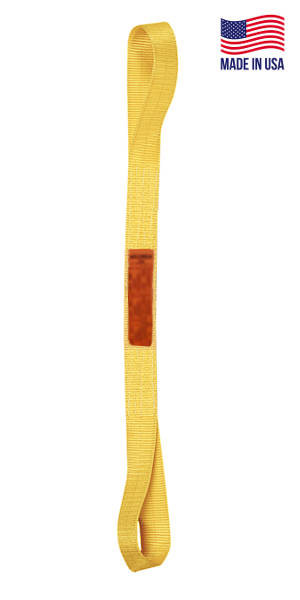
What are Synthetic Web Slings ?
They are made of woven synthetic fibers (typically polyester or nylon). They offer exceptional elasticity, lightness, and flexibility, making them the industry standard for finished metals, sensitive machinery, and lightweight rigging. Because the webbing conforms to the shape of the load, pressure is distributed more evenly than with rigid lifting devices. This helps reduce the risk of damaging painted, polished, or finished surfaces.
Advantages
- Lightweight and easy to carry
- Less operator fatigue
- Won't easily scratch finished surfaces
- Flexible around irregular loads
- Lower upfront purchase cost
Limitations
Synthetic web slings are more susceptible to:
- Sharp edges
- Abrasion
- Welding sparks
- High temperatures
- Certain chemicals
- UV exposure over long periods
Whenever lifting loads with corners or rough edges, approved edge protection should always be used.

What are Grade 100 Chain Slings ?
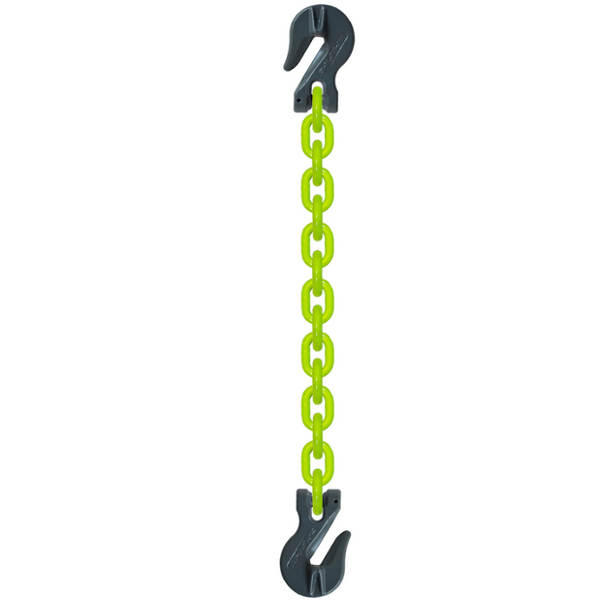
Constructed from heat-treated alloy steel. Grade 100 provides approximately a 25% higher Working Load Limit (WLL) than Grade 80 chain of equal diameter, permitting lighter chain setups without sacrificing strength, ruggedness, or thermal tolerance.
Advantages
- Outstanding abrasion resistance
- Performs well in demanding environments
- Excellent resistance to elevated temperatures
- Adjustable using shortening or grab hooks
- Individual components can often be replaced
- Long service life when properly maintained
Limitations
- Heavier to handle
- Higher initial purchase price
- Can damage painted or finished surfaces
- Less flexible than synthetic slings


Deep-Dive Technical Parameters
Abrasion and Cut Resistance
The primary failure mode for synthetic web slings is surface abrasion and edge cutting. When a web sling is wrapped around an unprotected metal corner with a radius smaller than the sling thickness, tension creates extreme shear forces that slice through synthetic fibers. Edge protection (corner protectors, wear pads, or cut-resistant sleeves) is mandatory whenever sharp corners are present.
On the other hand, Grade 100 alloy chains are designed specifically to withstand harsh contact with raw structural steel beams, concrete castings, and rough forgings without losing structural integrity.
Cost vs. Long-Term Value
Many buyers focus on purchase price, but long-term ownership costs are often more important.
| Factor | Web Sling | Grade 100 Chain |
| Initial Cost | Lower | Higher |
| Repairable | No | Often Yes |
| Expected Life in Harsh Use | Shorter | Longer |
| Maintenance | Periodic inspection | Periodic inspection and component replacement |
| Cost Per Life Cycle | Higher in abrasive applications | Often lower over years of heavy use |
For facilities performing daily heavy lifting, a Grade 100 chain sling often provides a lower cost per life cycle despite its higher initial price because it can withstand harsher conditions and, in many cases, be repaired using approved replacement components.
Temperature Constraints
-
Synthetic Web Slings: Maximum operating temperature is usually 200°F (93°C). Exposure above this threshold causes polymer degradation and rapid capacity loss.
-
Grade 100 Chain Slings: Full rated WLL up to 400°F (204°C) - after that there is a reduction in WLL check ASME B30.9

Application Decision Framework
Choose Synthetic Web Slings When:
-
Lifting finished, powder-coated, or painted machinery components where surface marring is unacceptable.
-
Handling soft materials, carbon fiber composites, or polished stainless steel pipes.
-
Performing choker hitches on smooth cylindrical loads where elasticity provides snug friction gripping.
Choose Grade 100 Chain Slings When:
-
Working in foundries, steel mills, flame-cutting shops, or hot-work environments exceeding 200°F.
-
Rigging over un-padded sharp steel edges, plate handling, and heavy demolition debris.
-
Conducting high-cycle industrial production lifts requiring daily, heavy-duty overhead use.
OSHA & ASME B30.9 Inspection Guidelines
Both sling types require continuous pre-shift visual inspection by a designated person, along with documented annual inspections.
-
Remove Web Slings immediately if you observe: Acid or caustic burns, melting/charring, holes, tears, cuts, broken stitching, missing capacity tags, or visible red core warning yarns.
-
Remove Grade 100 Chain Slings immediately if you observe: Cracks, nicks, gouges, stretch/elongation in links, bends or twists, heat discoloration, or link wear exceeding 10% of original stock diameter.
Final Thoughts
There is no single "best" lifting sling for every application.
If your priority is protecting finished equipment, reducing operator fatigue, and handling loads efficiently, a synthetic web sling is often the ideal solution.
If you're lifting rough steel, heavy machinery, or materials in demanding industrial environments where abrasion and heat are concerns, a Grade 100 chain sling is typically the better investment.
By understanding the strengths and limitations of each sling type, you can improve lifting safety, extend equipment life, and reduce long-term operating costs.
Shop Professional Lifting Slings at Baremotion
Whether you're looking for lightweight polyester web slings for delicate loads or heavy-duty Grade 100 alloy chain slings for demanding industrial lifts, Baremotion offers professional-grade lifting solutions built for safety, performance, and reliability.
Explore our selection of lifting slings, rigging hardware, and lifting accessories to find the right equipment for your next job.
Synthetic We Slings
1" Polyester Lifting Web Slings - Flat Eye & Eye 2-Ply Type 3 (USA) 3200 lbs WLL


Quick View


1" Polyester Lifting Web Slings - Flat Eye & Eye 2-Ply Type 3 (USA) 3200 lbs WLL
- Price
- From $16.00
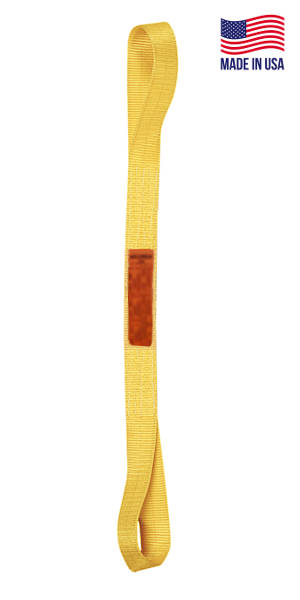
2" Polyester Lifting Web Slings - Flat Eye & Eye 2-Ply Type 3 (USA) 6400 lbs WLL

Quick View

2" Polyester Lifting Web Slings - Flat Eye & Eye 2-Ply Type 3 (USA) 6400 lbs WLL
- Price
- From $22.00
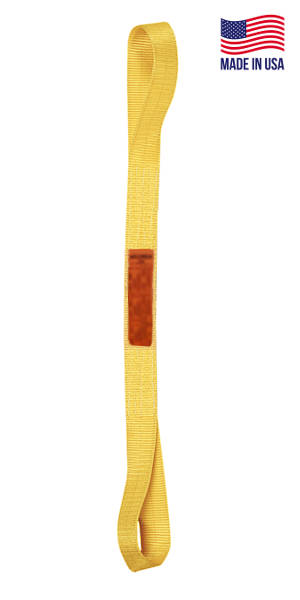
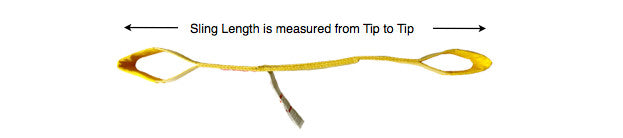
3" Polyester Lifting Web Slings - Flat Eye & Eye 2-Ply Type 3 (USA)
Quick View
3" Polyester Lifting Web Slings - Flat Eye & Eye 2-Ply Type 3 (USA)
- Price
- From $29.00
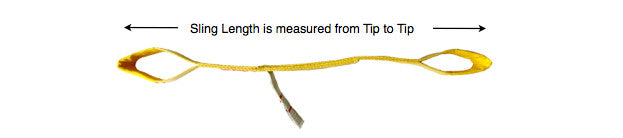
4" Polyester Lifting Web Slings - Flat Eye & Eye 2-Ply Type 3 (USA)
Quick View
4" Polyester Lifting Web Slings - Flat Eye & Eye 2-Ply Type 3 (USA)
- Price
- From $34.00
1" Polyester Lifting Web Slings - Twist Eye & Eye 2-Ply Type 4 (USA) 3200 lbs WLL

Quick View

1" Polyester Lifting Web Slings - Twist Eye & Eye 2-Ply Type 4 (USA) 3200 lbs WLL
- Price
- From $16.00
2" Polyester Lifting Web Slings Twist Eye & Eye 2-Ply Type 4 (USA) 6400 lbs WLL
Quick View
2" Polyester Lifting Web Slings Twist Eye & Eye 2-Ply Type 4 (USA) 6400 lbs WLL
- Price
- From $22.00
3" Polyester Lifting Web Slings - Twisted Eye & Eye 2-Ply Type 4 (USA)
Quick View
3" Polyester Lifting Web Slings - Twisted Eye & Eye 2-Ply Type 4 (USA)
- Price
- From $29.00
Grade 100 Chain Slings
SGG Grade 100 Chain Sling with Cradle Grab Hooks


Quick View


SGG Grade 100 Chain Sling with Cradle Grab Hooks
- Price
- From $115.00
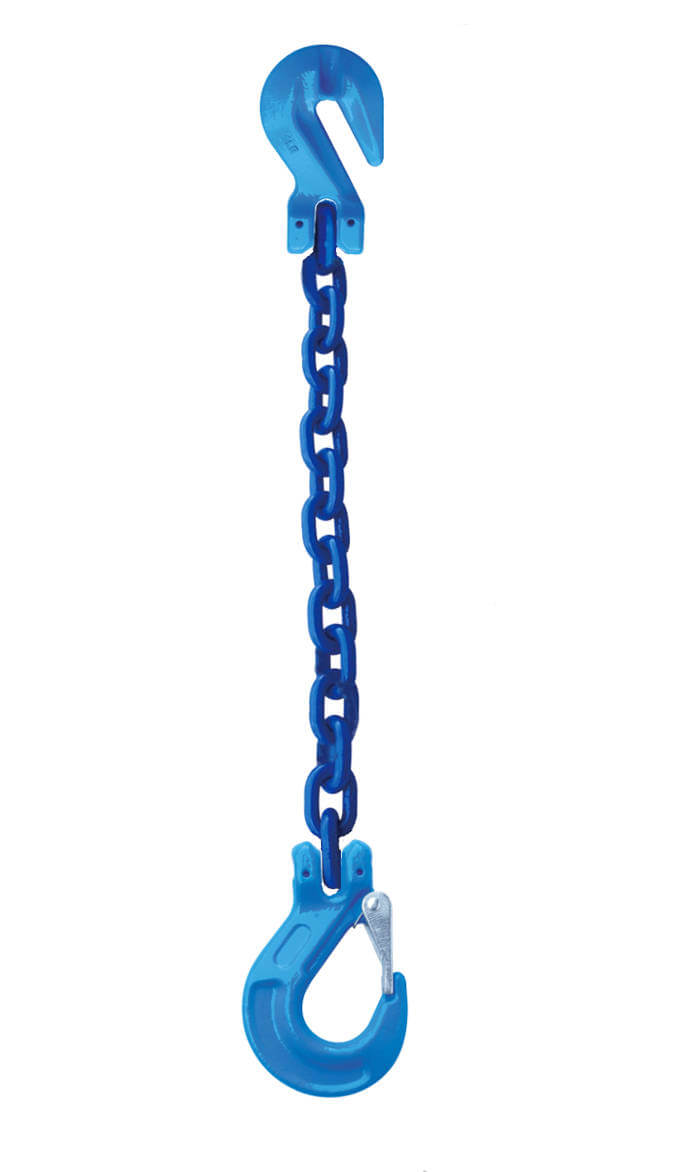
Grade 100 Chain Sling with Cradle Grab Hook & Sling Hook Single Leg SGS

Quick View

Grade 100 Chain Sling with Cradle Grab Hook & Sling Hook Single Leg SGS
- Price
- From $139.00
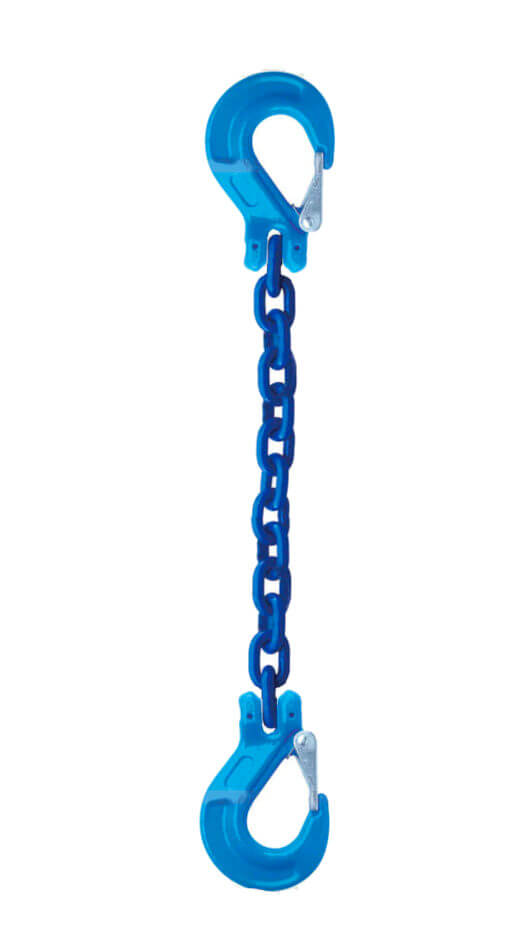
SSS Grade 100 Single Leg Chain Sling with Sling Hooks

Quick View

SSS Grade 100 Single Leg Chain Sling with Sling Hooks
- Price
- From $119.00
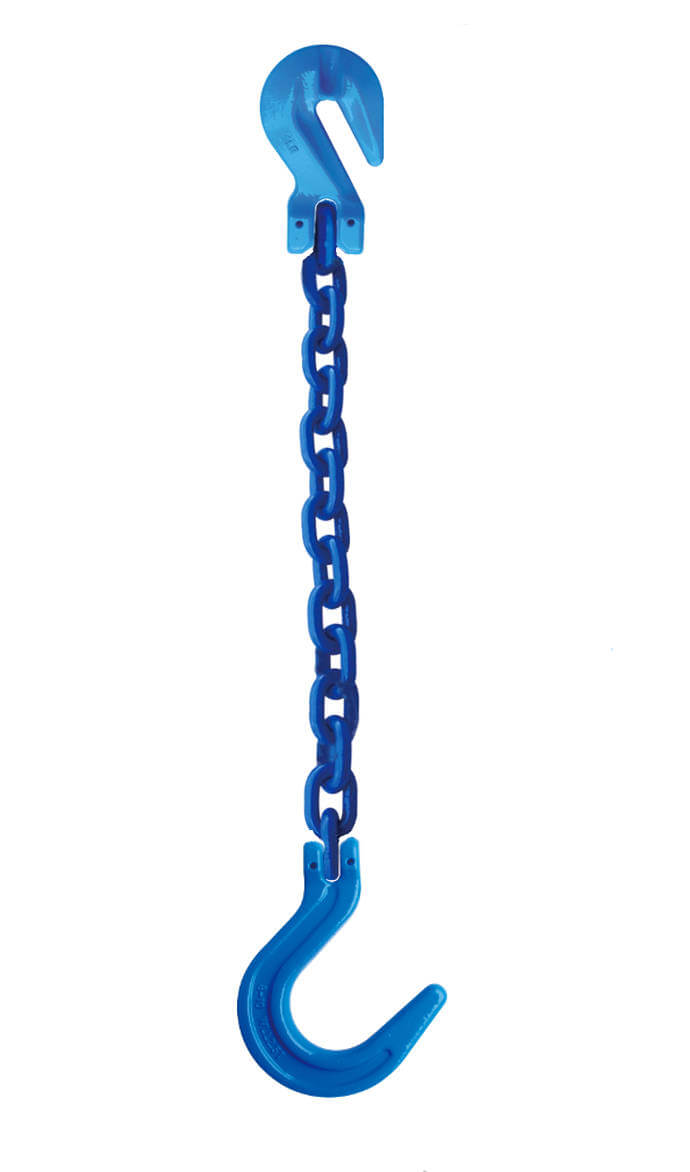
SGF Grade 100 Chain Sling with Grab & Foundry Hook

Quick View

SGF Grade 100 Chain Sling with Grab & Foundry Hook
- Price
- From $130.00
SOF Grade 100 Chain Sling with Oblong link & Foundry Hook


Quick View


SOF Grade 100 Chain Sling with Oblong link & Foundry Hook
- Price
- From $165.00
2' GR100 Oblong & Foundry Hook Chain

Quick View

2' GR100 Oblong & Foundry Hook Chain
- Price
- From $198.00
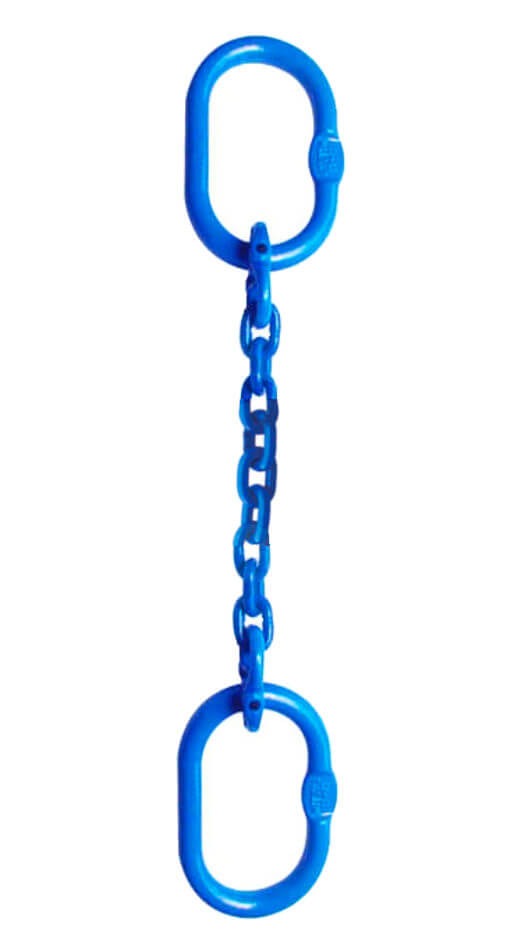
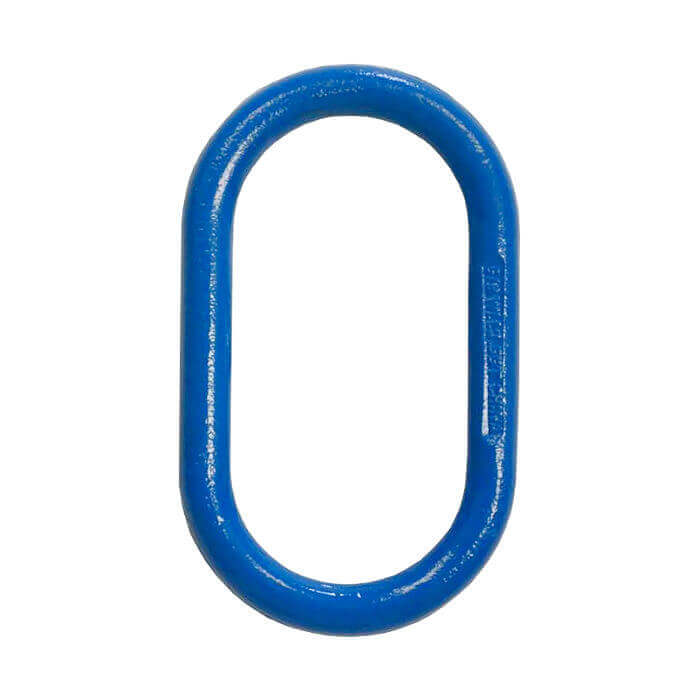
CO Grade 100 Single Leg Chain Sling w/Oblong Master link
Quick View
CO Grade 100 Single Leg Chain Sling w/Oblong Master link
- Price
- From $139.00
- Choosing a selection results in a full page refresh.