

-
MENU









Hook Safety: Self-Locking vs. Latch-Type Sling Hooks
Choosing the right lifting hook is about more than connecting a load—it's about improving safety, efficiency, and reliability. While much attention is paid to the grade of the alloy chain or the material of the lifting sling, the hook at the end of the line is what actually secures the load. While both latch-type and self-locking hooks are designed for lifting applications, in modern rigging, automatic self-locking hooks offer added protection against accidental disengagement, making them a popular choice for construction and industrial environments.
Main Takeaways: Latch-Type vs. Self-Locking Sling Hooks
-
Safety Mechanism: Latch-type hooks use a spring-loaded latch to hold slack rigging, but the latch is non-structural and can snap under side pressure. Self-locking hooks automatically lock closed under tension, creating a solid mechanical link that cannot open while holding a load.
-
Compliance & Inspection: Both styles meet OSHA and ASME standards, but latch hooks frequently fail pre-shift inspections due to bent or missing spring latches. Self-locking hooks eliminate this weak point, maximizing rigging uptime.
-
Efficiency & Snagging: Traditional latches are prone to catching on master links or wire rope eyes during rigging. Premium self-locking hooks feature a smooth, recessed trigger that prevents snags and speeds up repeat lifts in harsh field environments.
-
The Verdict: While latch hooks are cost-effective for controlled, indoor shop environments, modern commercial jobsites should upgrade to Self-Locking Hooks—specifically Swivel Self-Locking Hook styles—to eliminate dynamic detachment risks and minimize labor fatigue.

🛡️ Safety Protocols: Heavy-Duty Structural Integrity Under Load
When a load is lifted overhead, dynamic shifts, bouncing, or wind force can cause the rigging lines to momentarily slacken. This is exactly when a hook's design determines whether a load stays secure or becomes a catastrophic drop hazard.
Traditional Latch-Type Hooks:
A standard sling hook rely on a spring-loaded safety latch to bridge the hook's throat opening.
-
The Mechanism: The latch has one job: to prevent slack rigging (like a synthetic web sling eye or a chain link) from slipping out before the assembly is pulled taut.
-
The Vulnerability: The critical hazard here is that the latch is completely non-structural. It is made of sheet metal or light cast iron and cannot bear weight. If the load shifts mid-air and presses directly against the gate—a dangerous condition known as "latch loading"—the latch will instantly twist, bend, or snap. Once the gate is compromised, the rigging can escape the hook bowl entirely.
Self-Locking Hooks:
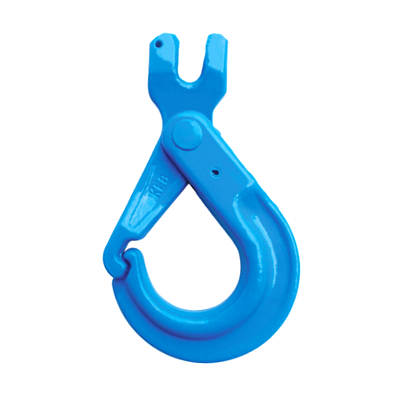
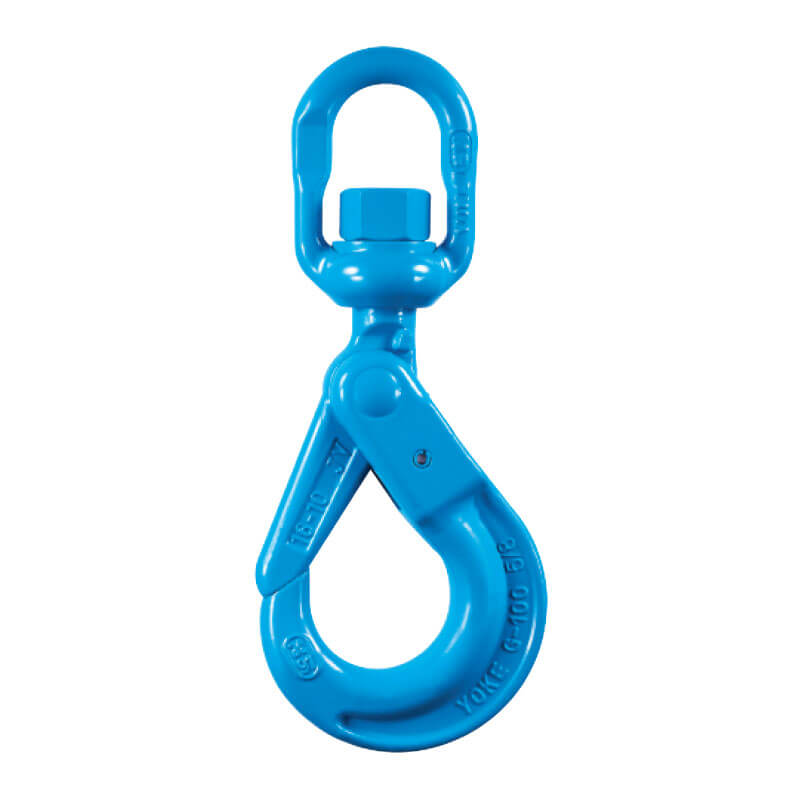
Self-locking hooks utilize a heavy, forged gate that is mechanically linked to the structural frame of the hook itself.
-
The Mechanism: As soon as a load is applied to the bowl of the hook, the hook automatically closes and locks the heavy-duty gate completely shut. The heavier the load, the tighter the locking mechanism is held in place.
-
The Advantage: Because the lock is an extension of the hook's structural geometry, it will not open while the line is under tension. Even if a load spins or bounces violently, the structural interlocking design ensures the rigging remains trapped inside the bowl. To release it, the operator must wait until the load is safely grounded and manually depress a recessed safety trigger on the spine of the hook.

⚡ Operational Speed: Rigging Efficiency vs. Hand Fatigue
On a busy construction site or industrial shop floor, time is money. However, saving time can never come at the cost of operator safety.
-
Latch Hook Efficiency: Latch hooks are fast to hook up initially, but the external spring latches are notorious for snagging on neighboring chains, master links, or wire rope eyes.
-
Self-Locking Hook Efficiency: While a self-locking hook requires the operator to press a trigger to open it, the closure is instant and automatic upon lifting.
⚙️ Performance & Longevity in Rugged Environments
Industrial lifting hardware needs to survive dropped loads, dragging across gravel, and exposure to the elements.
-
Durability: Self-locking hooks are forged from premium high-tensile alloy steel (typically Grade 80 or Grade 100), making them significantly thicker and more abuse-resistant than the thin sheet-metal latches found on standard sling hooks.
-
Maintenance: If a standard hook's latch gets twisted during a lift, the entire hook fails OSHA/ASME pre-shift inspections and must be pulled from service immediately. A self-locking hook’s solid design eliminates the weak point of a flimsy latch, drastically extending the service life of your chain slings and rigging assemblies.
Final thoughts
While standard latch-type hooks remain a cost-effective choice for basic, highly controlled shop lifts, modern commercial operations are rapidly transitioning to Self-Locking Sling Hooks for field work and heavy construction.
Equip Your Rigging Crew with Certified Lifting Hardware
At Baremotion, we supply fully certified, industrial-grade lifting equipment engineered for maximum safety and compliance. Explore our collection to upgrade your rigging gear:
-
Shop Premium Self-Locking Hooks – Upgrade to automatic locking safety for Grade 80 and Grade 100 lifting chains.
-
Browse Rigging Hardware & Master Links – Explore high-capacity sub-assemblies, links, and heavy-duty shackles.
⚠️ INDUSTRIAL SAFETY NOTE & COMPLIANCE NOTICE
Rigging and Overhead Lifting Inspection Mandates:
Per OSHA 1910.184 and ASME B30.10 regulations, all lifting hooks, latches, and locking mechanisms must undergo a visual inspection by a designated, competent person before every single shift.
- Immediate Removal Criteria: Any hook exhibiting a deactivated or malfunctioning self-locking trigger, a bent or missing safety latch, visible throat spread exceeding 5% of its original dimensions, or a twist of more than 10° from the plane of the unbent hook must be permanently removed from service immediately.
- Field Modifications Prohibited: Never attempt to weld, heat-treat, or mechanically alter a forged lifting hook to fix a broken latch or gate assembly. Altering lifting hardware instantly voids the manufacturer's warranty and destroys the metallurgical rating of the high-tensile alloy, posing an immediate catastrophic drop hazard.
- Consult the Load Charts: Always verify that the Working Load Limit (WLL) of your selected hook matches or exceeds the calculated dynamic tension of your lifting sling assembly. Never exceed the rated capacity of the lowest-rated component in your entire rigging setup.
Sling Hooks
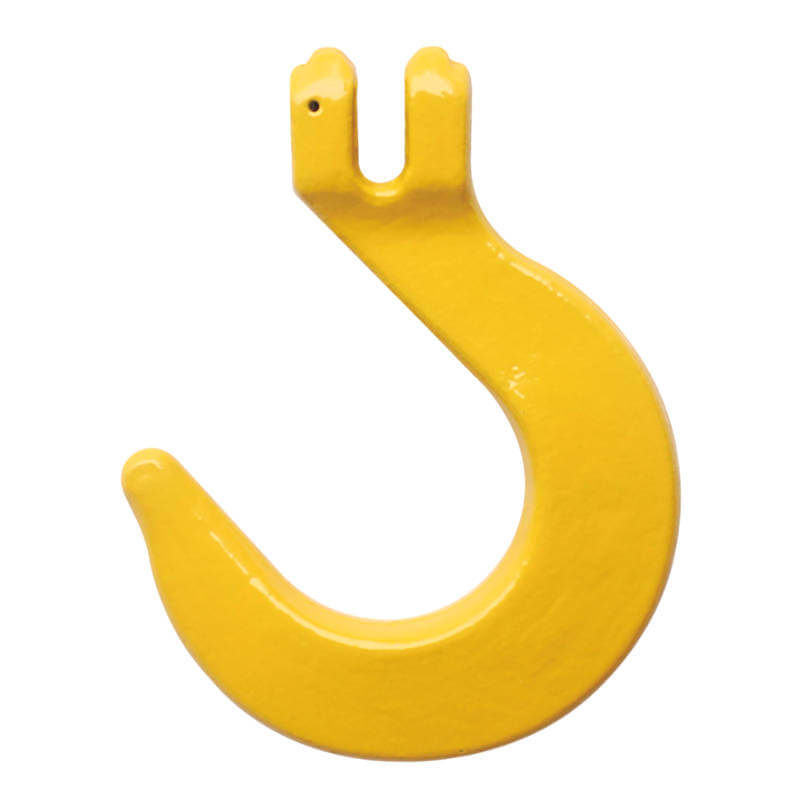
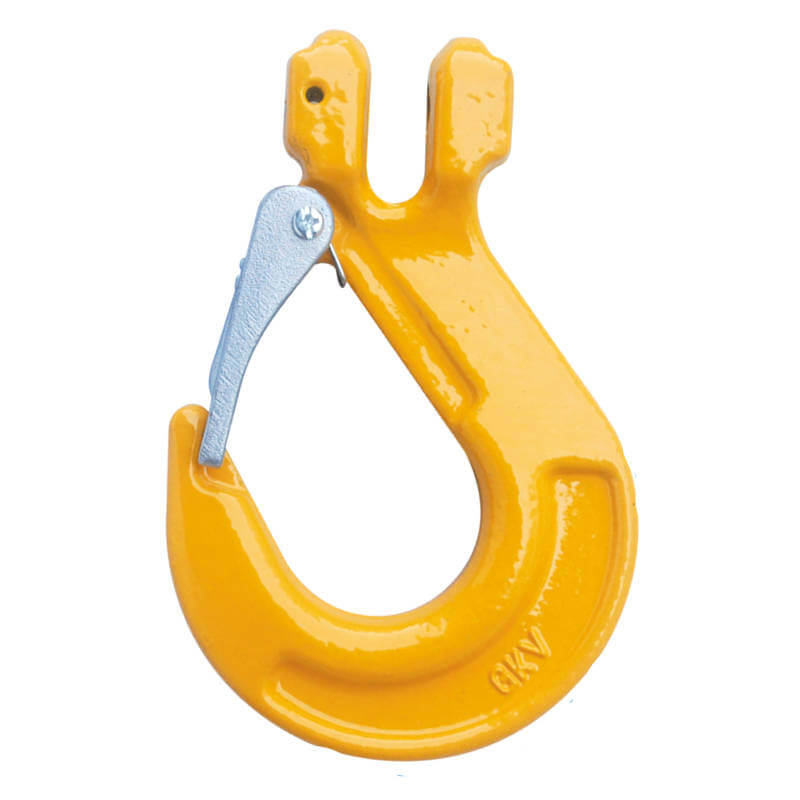
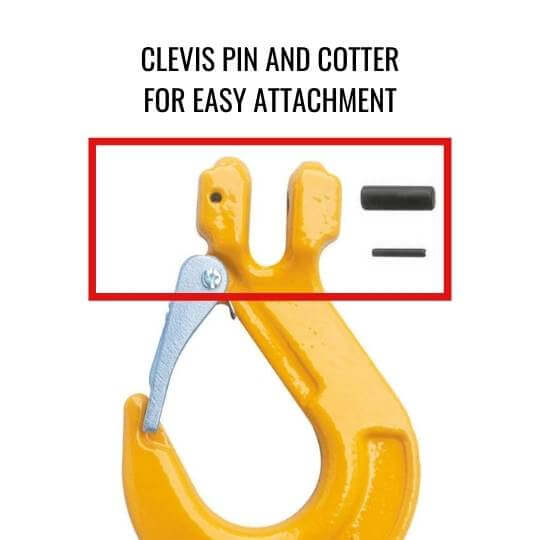
Clevis Sling Hooks with Safety Latch Grade 80
Quick View
Clevis Sling Hooks with Safety Latch Grade 80
- Price
- From $42.00
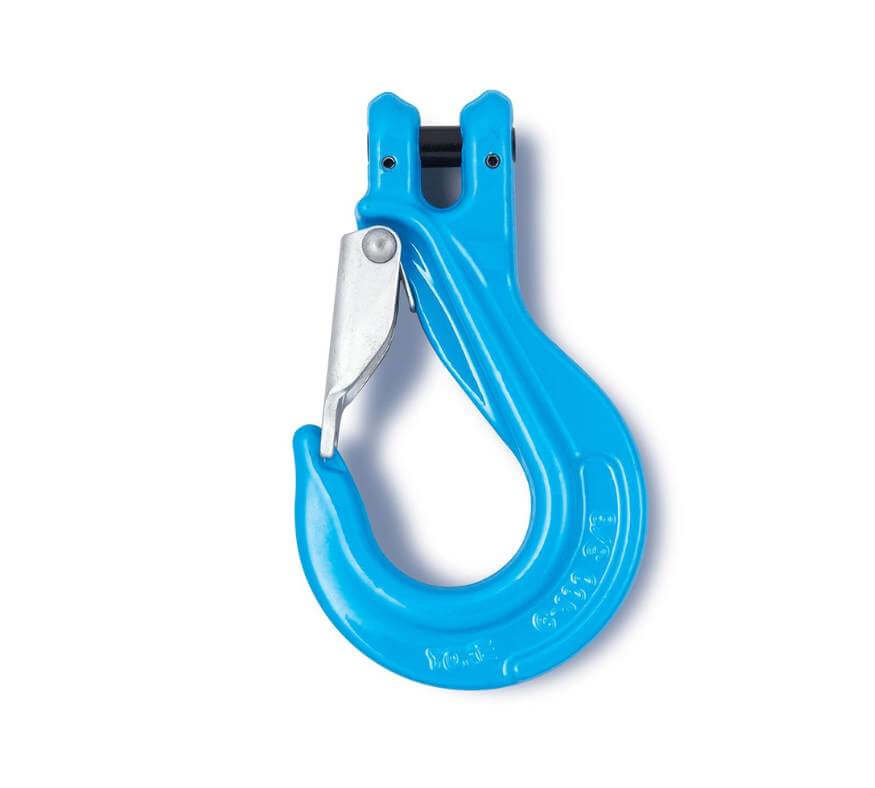
Yoke Grade 100 Clevis Sling Hook with Latch
Quick View
Yoke Grade 100 Clevis Sling Hook with Latch
- Price
- From $49.00
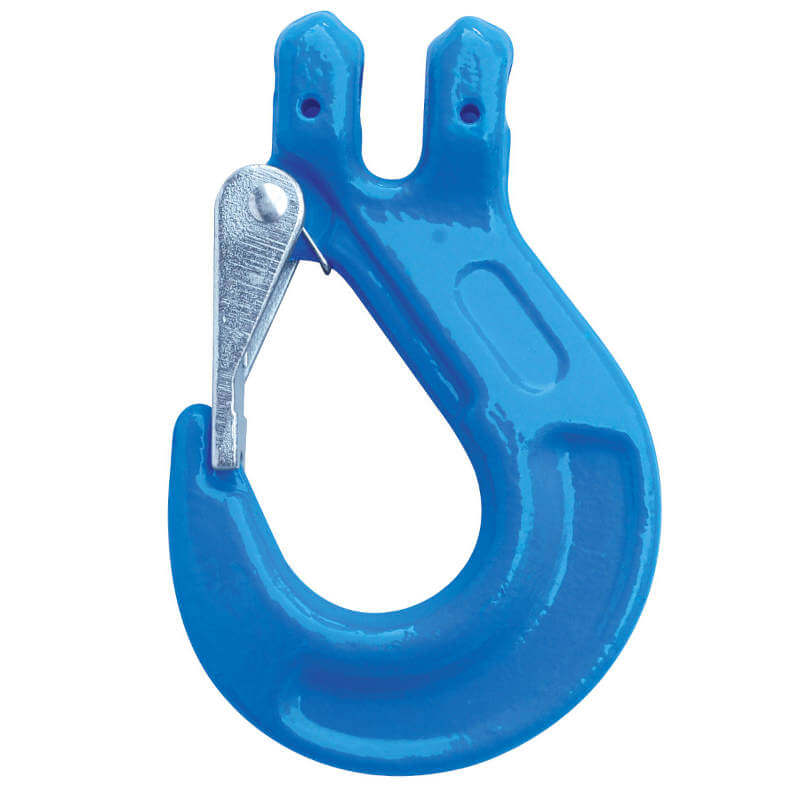
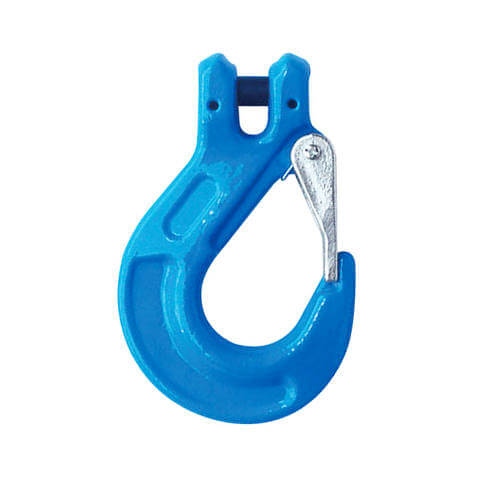
Grade 100 Clevis Sling Hook with Latch
Quick View
Grade 100 Clevis Sling Hook with Latch
- Price
- From $47.00
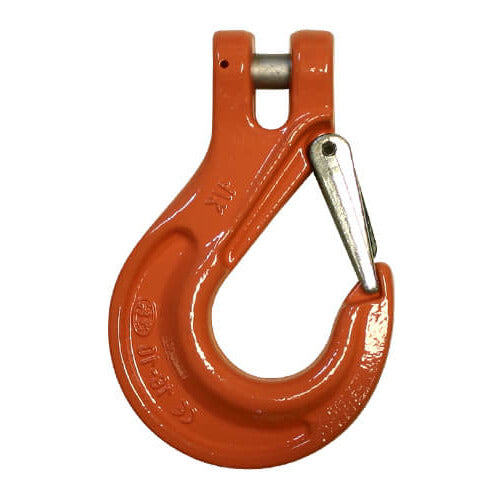
Cartec CBX_SF Grade 100 Clevis Sling Hooks

Quick View

Cartec CBX_SF Grade 100 Clevis Sling Hooks
- Price
- From $74.00
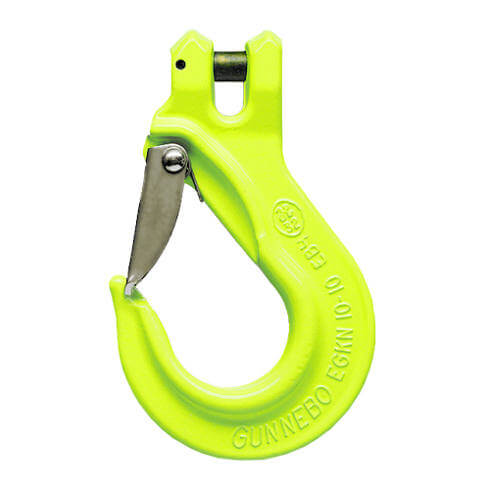
Clevis Sling Hook Grade 100 EGKN Gunnebo Grabiq

Quick View

Clevis Sling Hook Grade 100 EGKN Gunnebo Grabiq
- Price
- From $99.00
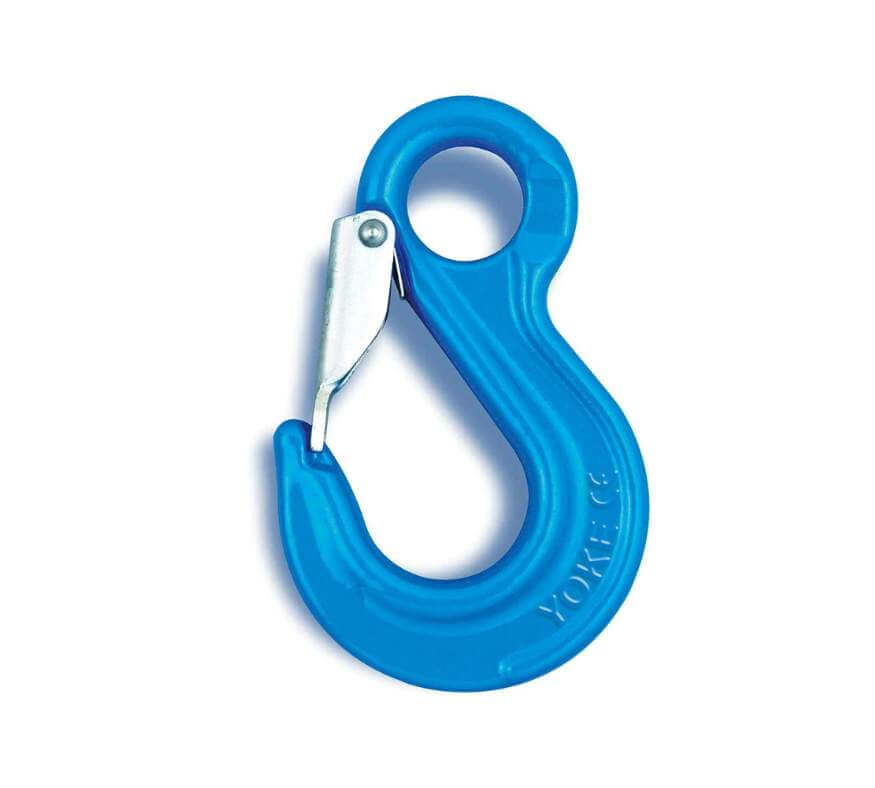
Yoke Grade 100 Eye Sling Hook with Latch
Quick View
Yoke Grade 100 Eye Sling Hook with Latch
- Price
- From $42.00
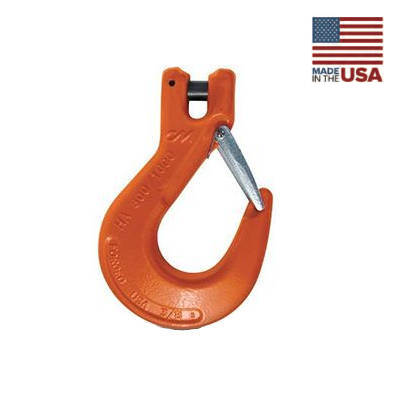
CM Grade 100 Clevis Sling Hook (USA)
Quick View
CM Grade 100 Clevis Sling Hook (USA)
- Price
- From $59.00
Locking Hooks
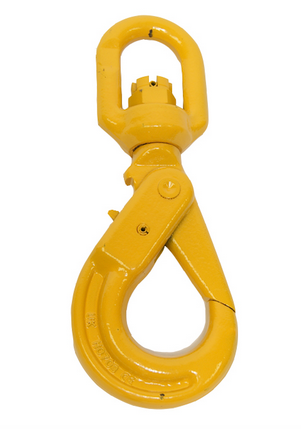
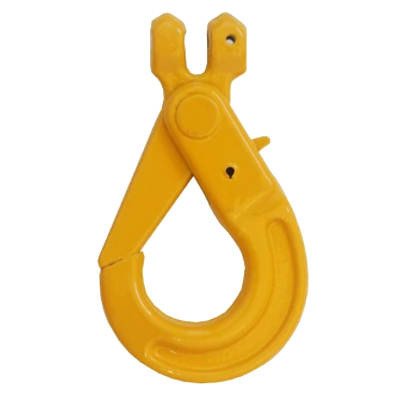
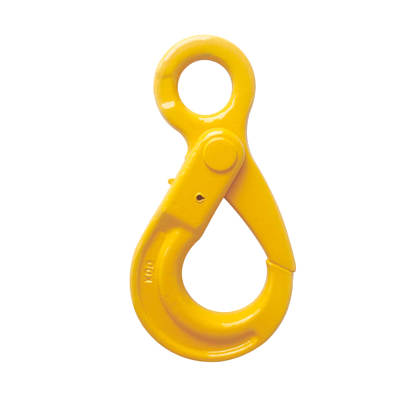
Yoke G-100 Clevis Self Locking Hooks X-026
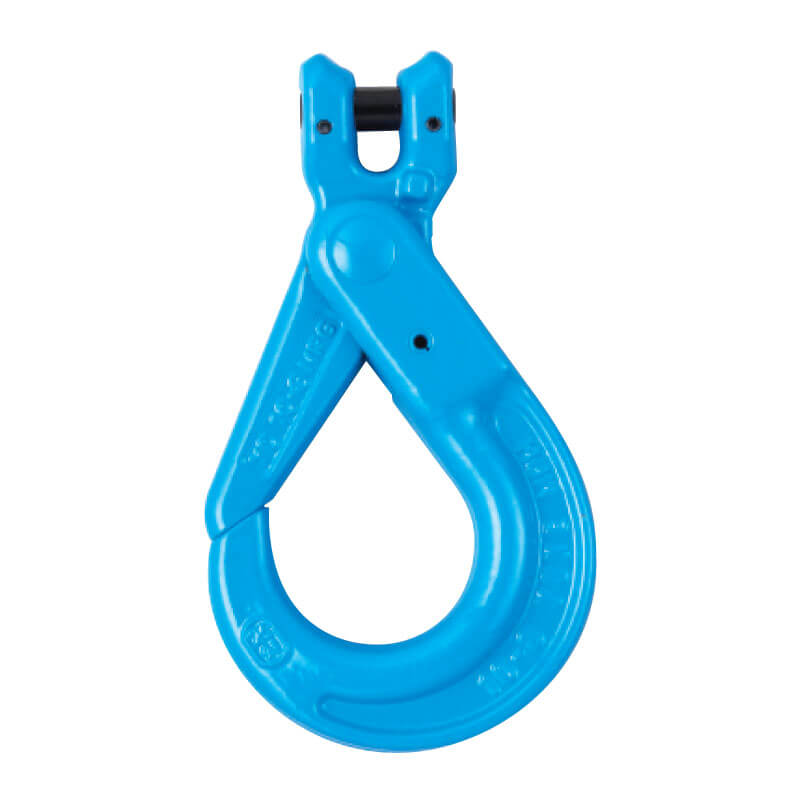
Quick View
Yoke G-100 Clevis Self Locking Hooks X-026
- Price
- From $74.00
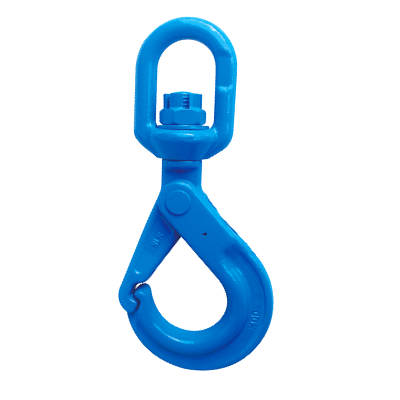
Yoke Grade 100 Swivel Self Locking Hook w/ Brass Bushing
Quick View
Yoke Grade 100 Swivel Self Locking Hook w/ Brass Bushing
- Price
- From $209.00
- Choosing a selection results in a full page refresh.