


-
MENU


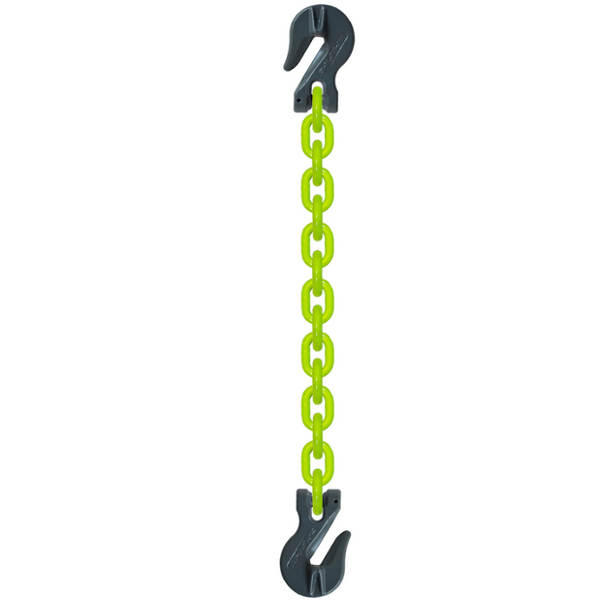







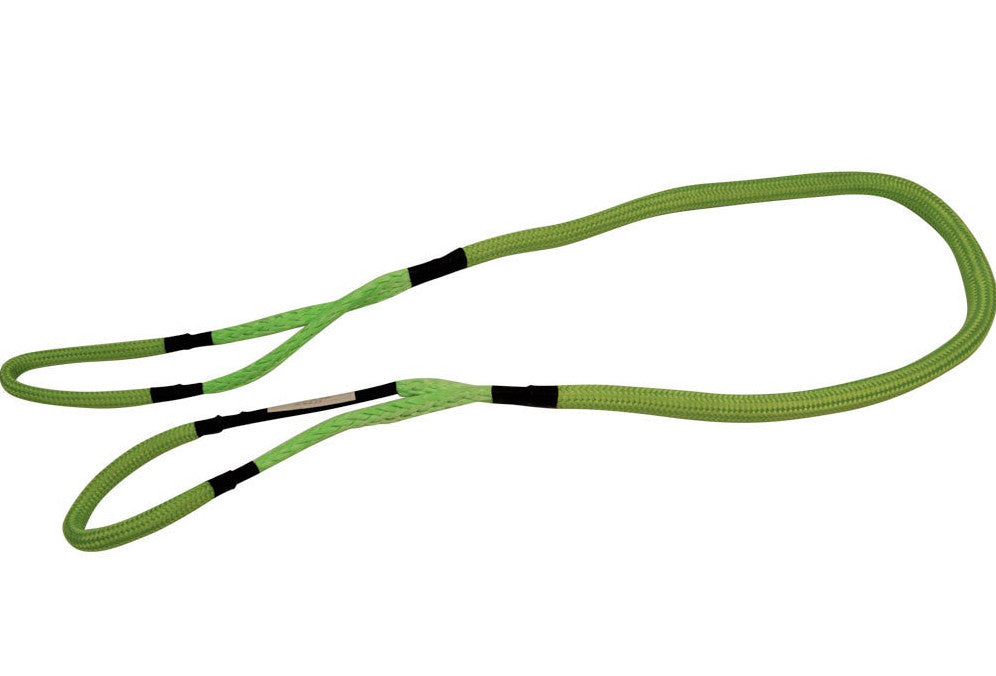
How to Choose the Correct V-Bridle for Rollback and Tow Truck Applications
Choosing the right V-Bridle isn't just about connecting to a vehicle and starting the pull. The wrong hook configuration, chain length, or pull angle can damage bumpers, oil pans, suspension components, and undercarriage parts—turning a routine recovery into an expensive mistake.
Whether you're loading a vehicle onto a rollback or performing a recovery, understanding how V-Bridles work will help you choose the safest and most effective setup.
📋 Key Takeaways: Choosing a Tow V-Bridle
-
Hook Selection: Use T-hooks for domestic vehicle frame slots, Mini J-hooks for import suspension points, and Grab hooks to shorten your line.
-
Bridle Length: Choose 3-foot or 4-foot lengths for low-clearance passenger vehicles to prevent the winch line from crushing plastic bumpers or aluminum oil pans. Use 2-foot lengths only for straight, heavy industrial equipment pulls.
-
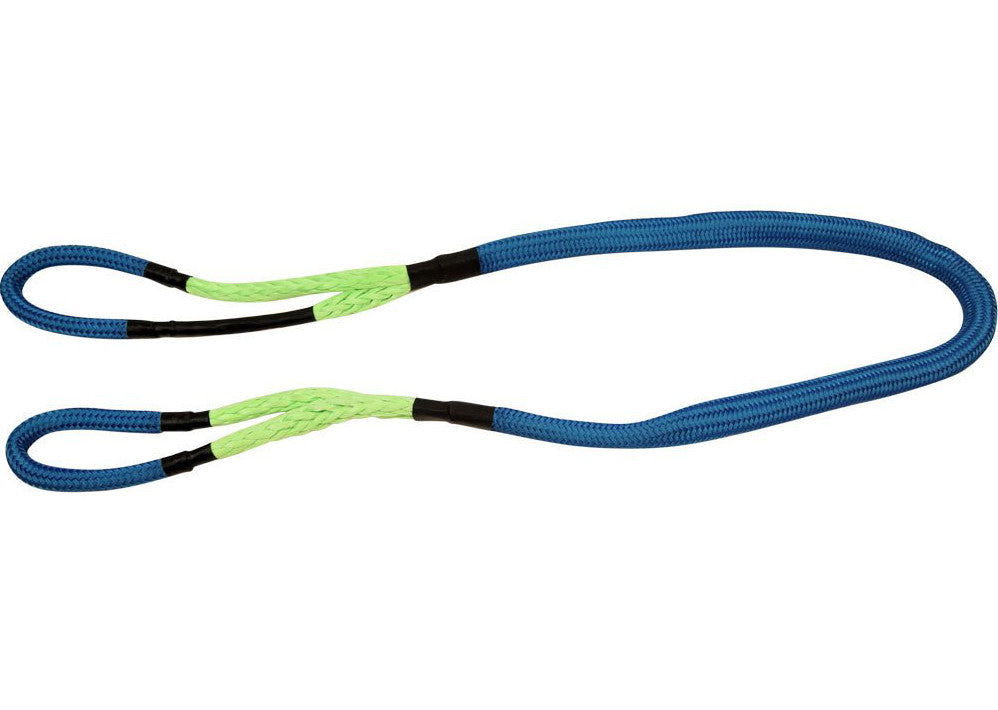
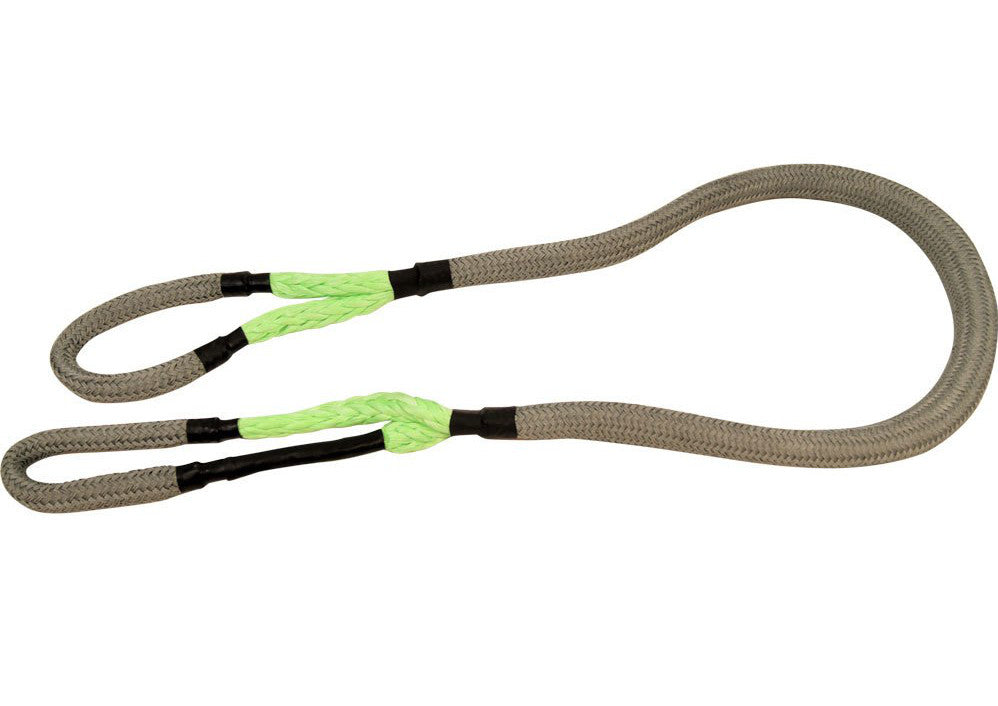
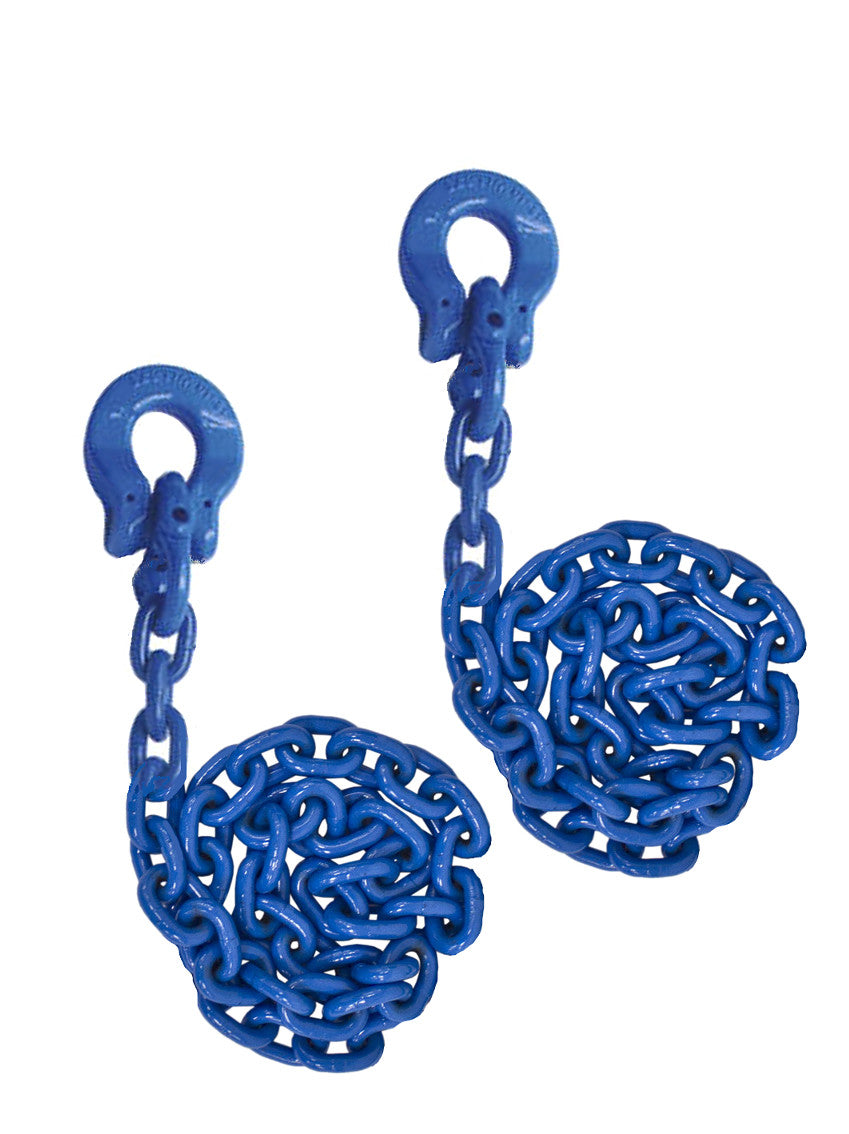
Material Choice: Use flexible Webbing to protect luxury vehicle paint and wheels, or Grade 70 Chain or 80 Chain for heavy-duty recovery, structural frame pulls, and wrecked vehicles.
One of the most common causes of preventable damage during a recovery—such as crushed front bumpers, ripped plastic valances, or punctured oil pans—comes down to a single mistake: using the wrong V-bridle setup.
A V-bridle is an essential tool that centers the winching pull and spreads the load between two anchoring points on a vehicle's frame. However, variations in strap material/chain, leg length, and cluster hook configurations mean that a single bridle cannot fit every situation.

Which Hook Goes Where?
Modern vehicle manufacturing uses highly specific frame holes and tie-down slots. To load cars without tearing up the suspension, your bridle needs a high-quality cluster assembly.
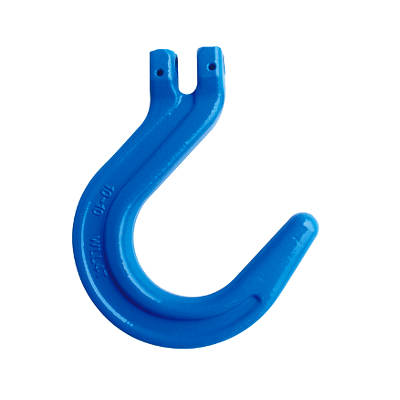
Most professional bridles feature a multi-use cluster or single use hook configuration. Understanding the role of each hook is critical:
-
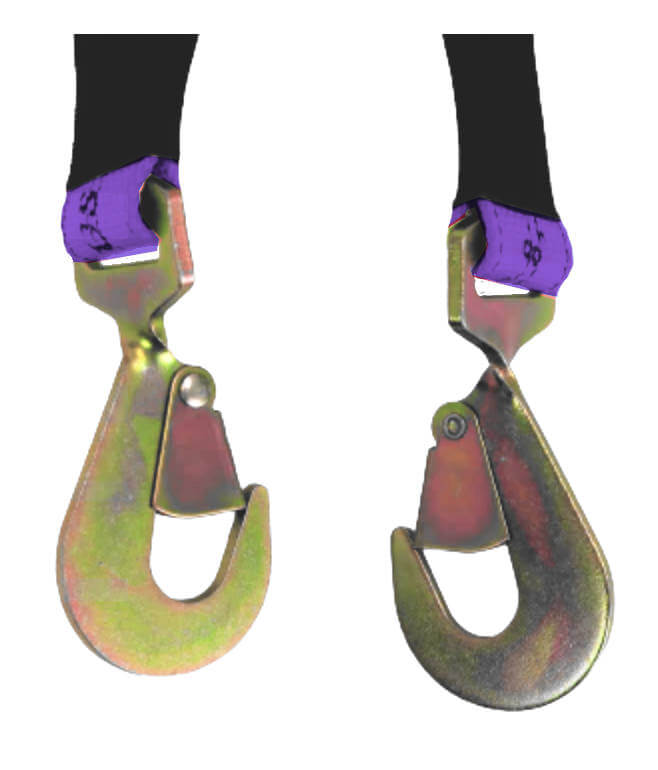
T-Hooks: These are designed to twist and lock securely into the small oblong shipping slots built directly into the factory frame rails or transport pockets of domestic cars (like Ford, GM, and Chrysler).
-
J-Hooks (Mini or Standard): Mini J-hooks work beautifully inside tie-down holes on import vehicle frames (such as Toyota, Honda, and BMW). They hook cleanly around stable control arms without putting pressure on brake lines.
-
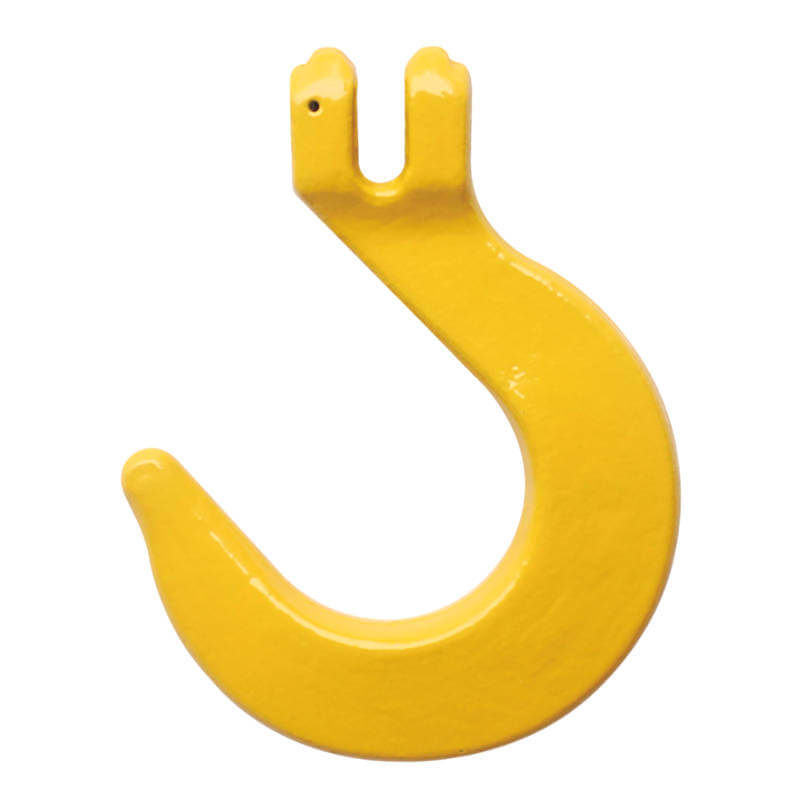
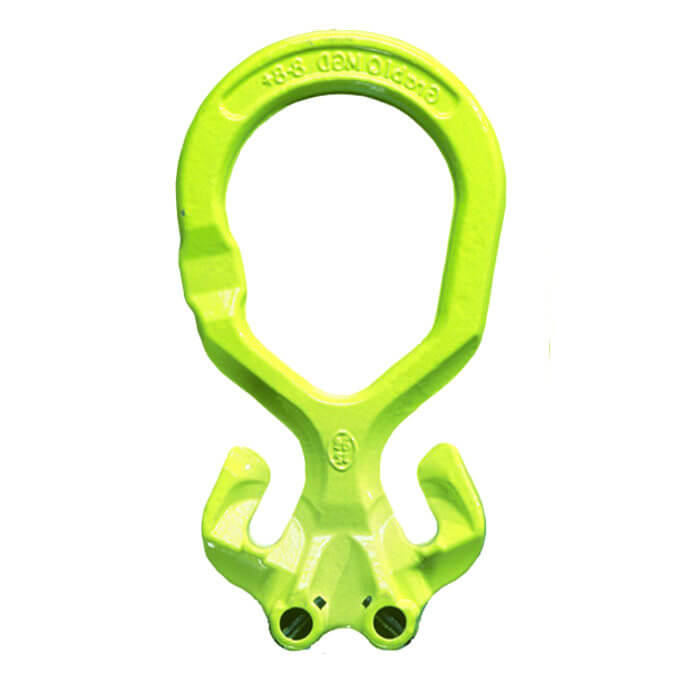
Grab Hooks: Typically found at the top pear-link or master ring of a chain bridle, grab hooks allow you to manually shorten the length of the bridle legs when winching in extremely tight spaces.
Length and Angle: The Math of Damage Prevention
When choosing a V-bridle, the length of the legs determines the winching angle. This is where most oil pan and bumper damage happens.
If your bridle legs are too short, the apex of the "V" sits incredibly close to the front bumper. When your winch line pulls tight, the strap or chain forces itself upward against the plastic bumper cover or downward into the low-hanging aluminum oil pan, crushing them under massive tension.
The Rule of Thumb for Length:
-
2-Foot (24-Inch) Bridles: Best for short-nose trucks, heavy industrial equipment, or straight pulls where the tie-down spots are right at the very front tip of the vehicle frame.
-
3-Foot (36-Inch) or 4-Foot (48-Inch) Bridles: The gold standard for low-clearance passenger cars, sports cars, and long rollback beds. The extended length creates a much shallower angle, ensuring the winching line clears body kits, plastic valances, and low engine components entirely.

Material Choice: Web Webbing vs. Grade 80 Chain
The eternal debate among operators is whether to pull with synthetic webbing or heavy-duty steel chains. Both have a place on your truck:
| Feature | Webbing Bridles | Grade 70 or 80 Alloy Chain Bridles |
| Weight | Lightweight, easy to handle and store | Heavy, robust industrial build |
| Vehicle Protection | Soft material won't scratch paint or wheels | Can gouge or scratch surfaces if it rubs |
| Abrasion Resistance | Vulnerable to cuts on sharp metal edges | Highly resistant to concrete, rust, and sharp steel |
| Best Used For | Luxury cars, lowered imports, everyday rollbacks | Heavy-duty recovery, stuck vehicles, wrecked frames |
The Verdict: What Should Be in Your Truck?
To run an efficient towing company, a single bridle isn't enough. Your fleet should ideally carry two setups:
-
Depending on your fleet, a Grade 70 V-Bridle or Gr80 (if needed) with a cluster hook configuration for tougher jobs.
-
A 3 to 4-foot premium web V-bridle (even 6 foot) specifically kept clean and reserved for luxury vehicles, low-clearance imports, and sport cars where paint and plastic protection are paramount.
Equip Your Fleet with Baremotion
At Baremotion, we supply high-performance towing and recovery products engineered to withstand the heaviest commercial pulls. Explore our collection to upgrade your trucks today:
-
Shop V-Bridle Tow Straps – Available in standard webbing & Diamond Weave
-
Browse Towing Chains – J-Hook chains & v-bridles
-
Explore Rollback Tie-Down Systems – Complete packages.
V-Bridle Straps
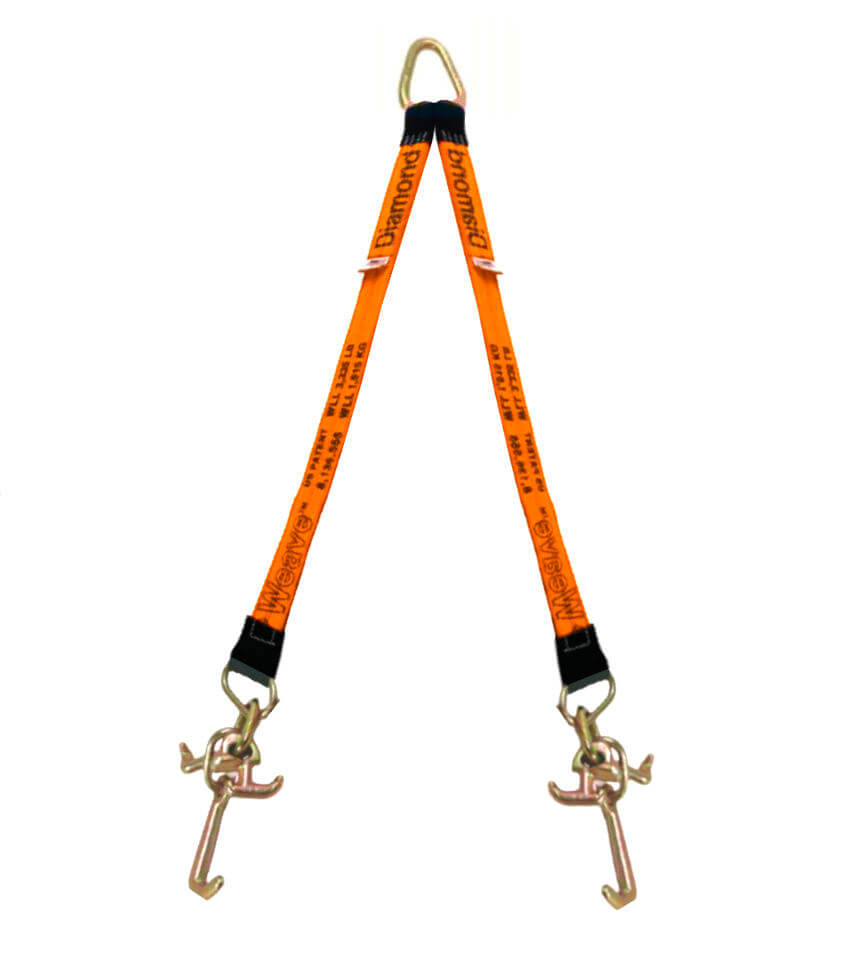
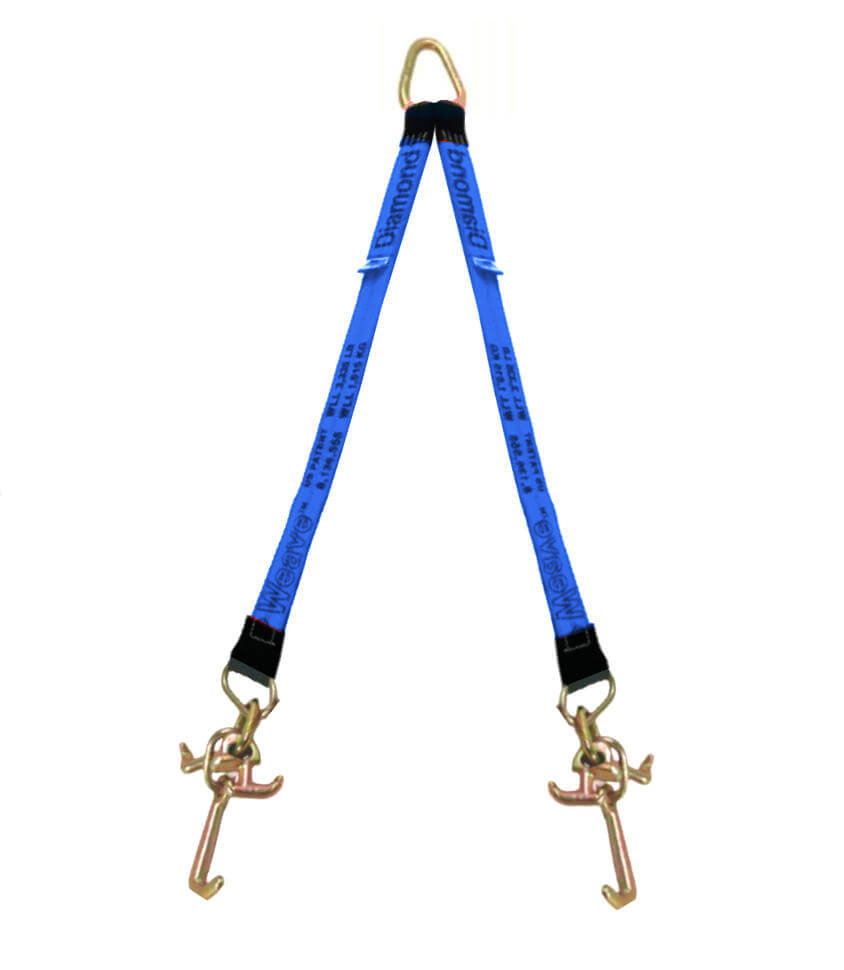
2" x 36" V-Bridle Strap w/RTJ Cluster RTJ Frame Hooks (Color Options)
Quick View
7% off
2" x 36" V-Bridle Strap w/RTJ Cluster RTJ Frame Hooks (Color Options)
- Sale price
- $89.00
- Regular price
- $95.00
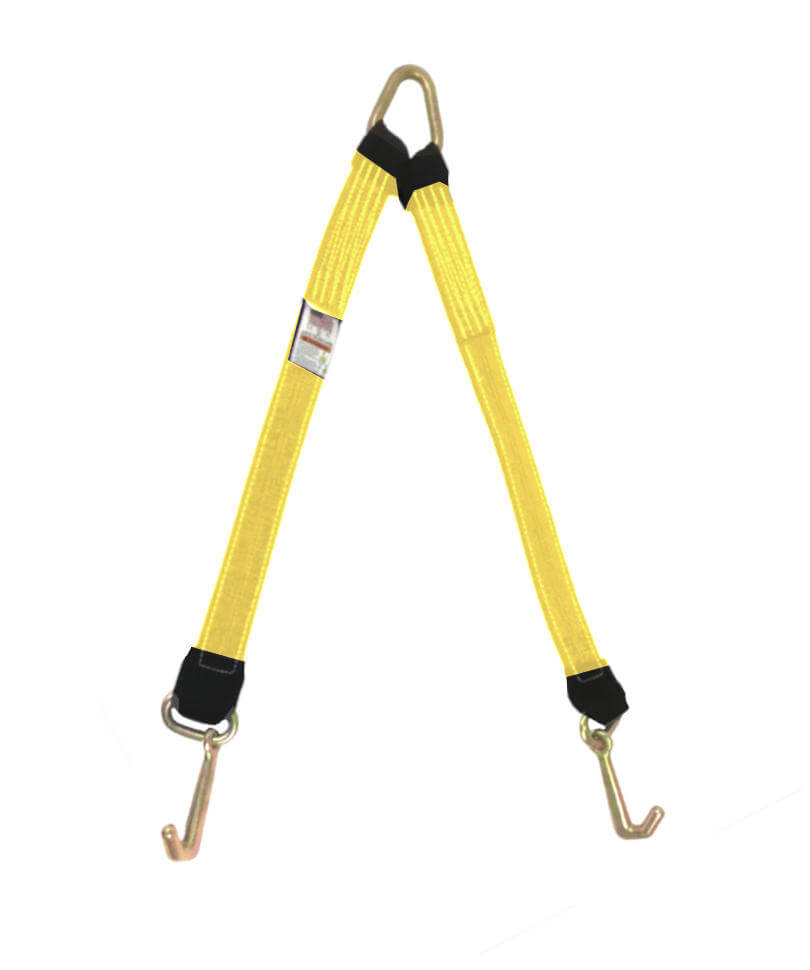
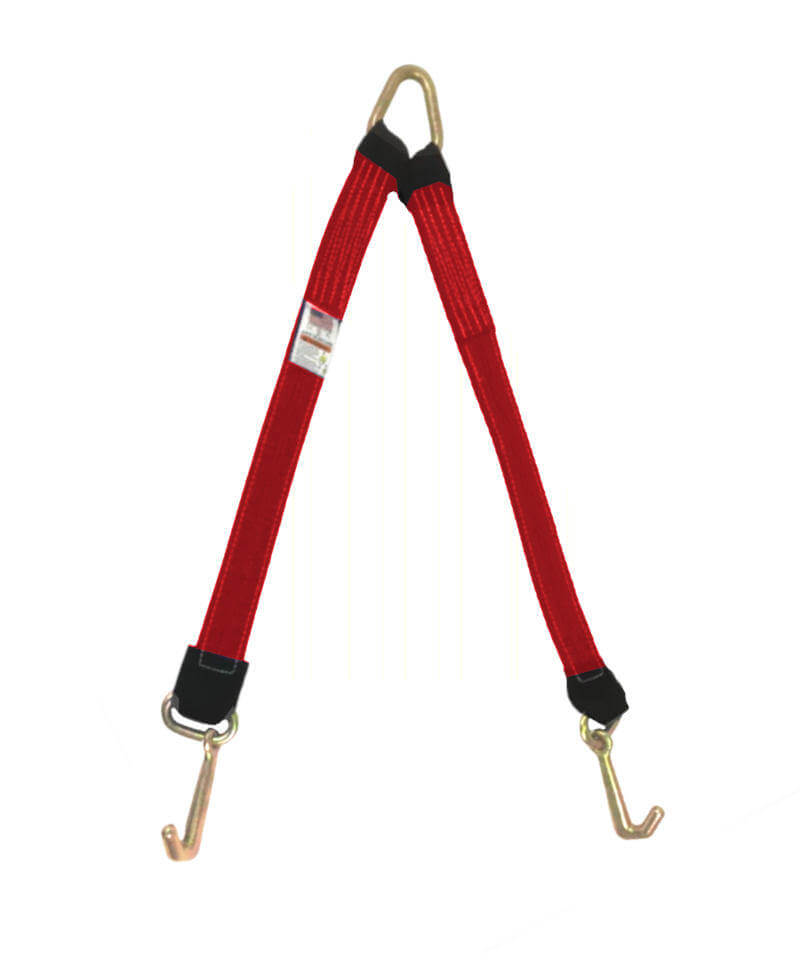
2" x 36" V-Bridle Strap w/Mini J-Hooks (Color Options)
Quick View
7% off
2" x 36" V-Bridle Strap w/Mini J-Hooks (Color Options)
- Sale price
- $89.00
- Regular price
- $95.00
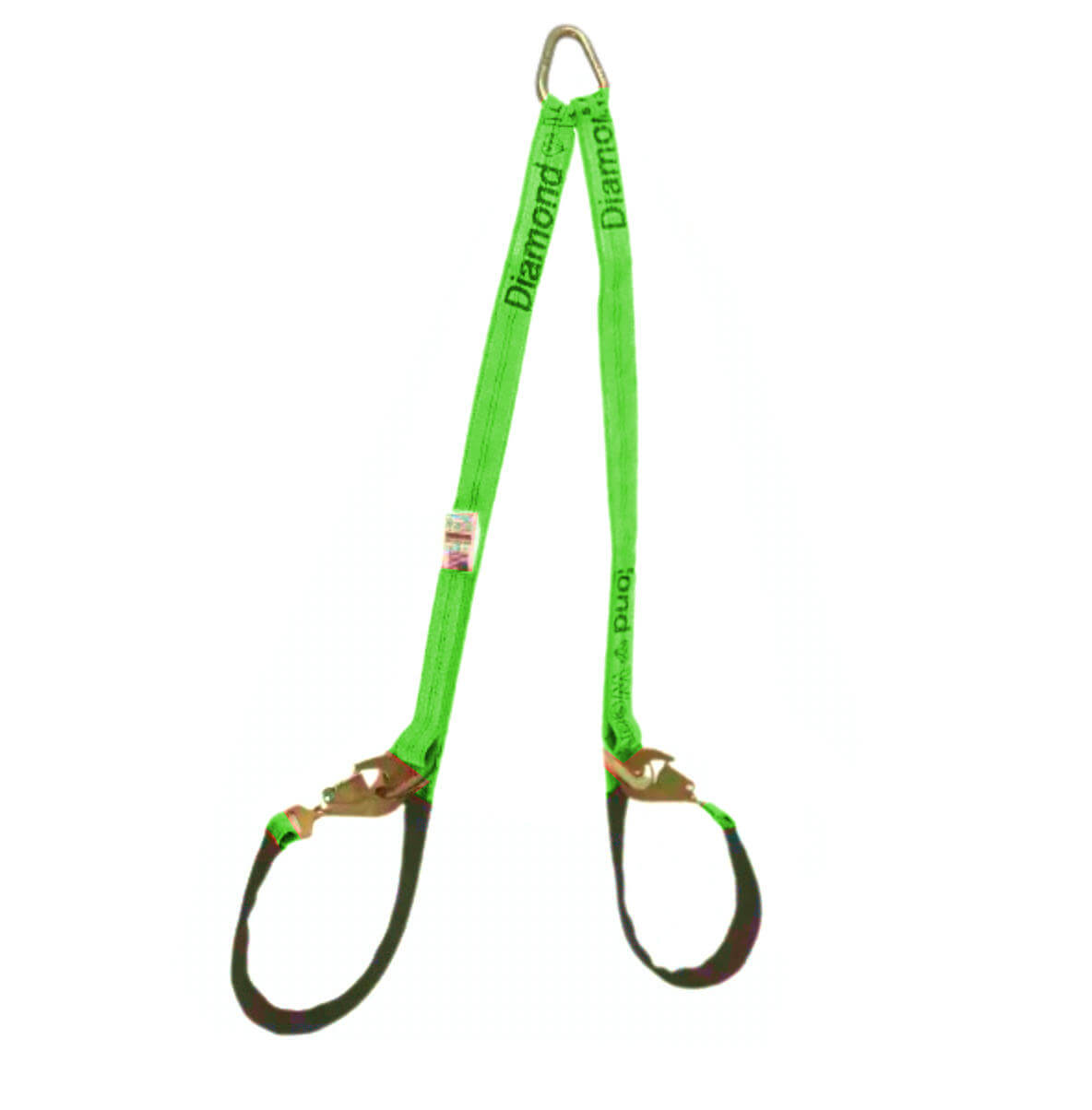
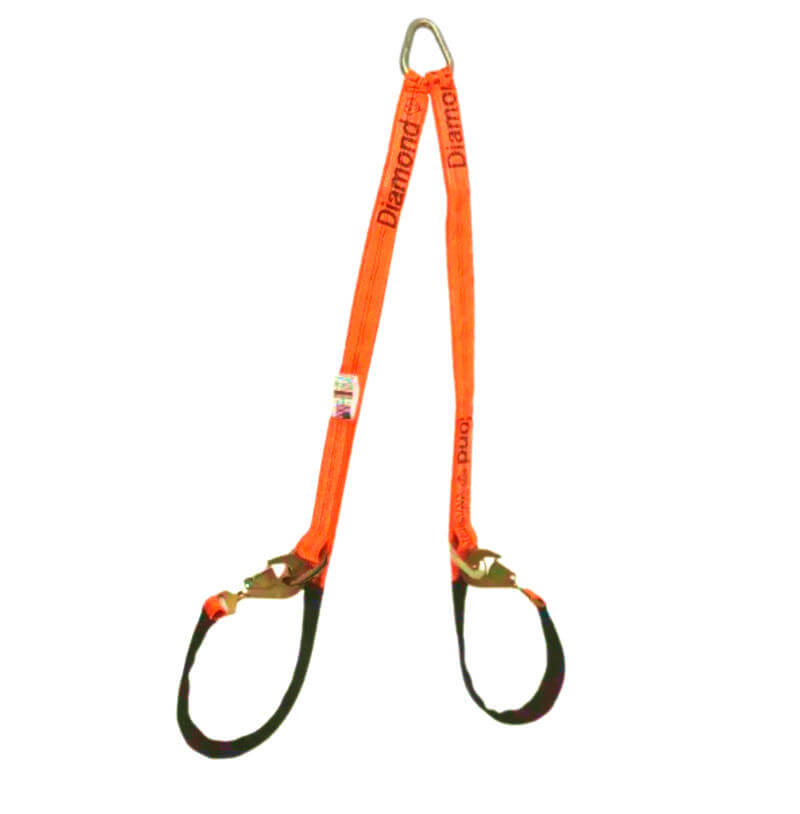
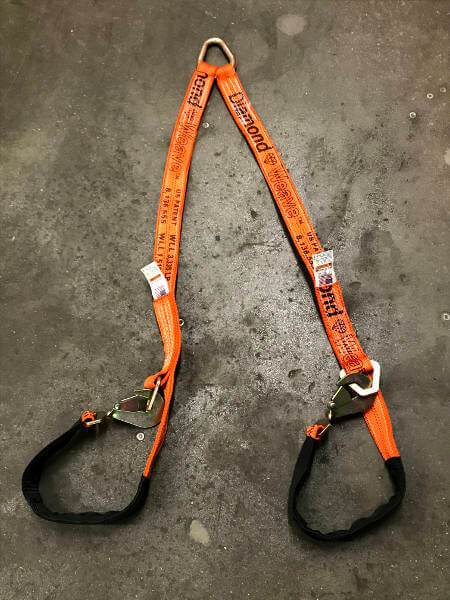
Axle V-Bridle Strap Orange Diamond Weave
Quick View
Axle V-Bridle Strap Orange Diamond Weave
- Price
- From $85.00
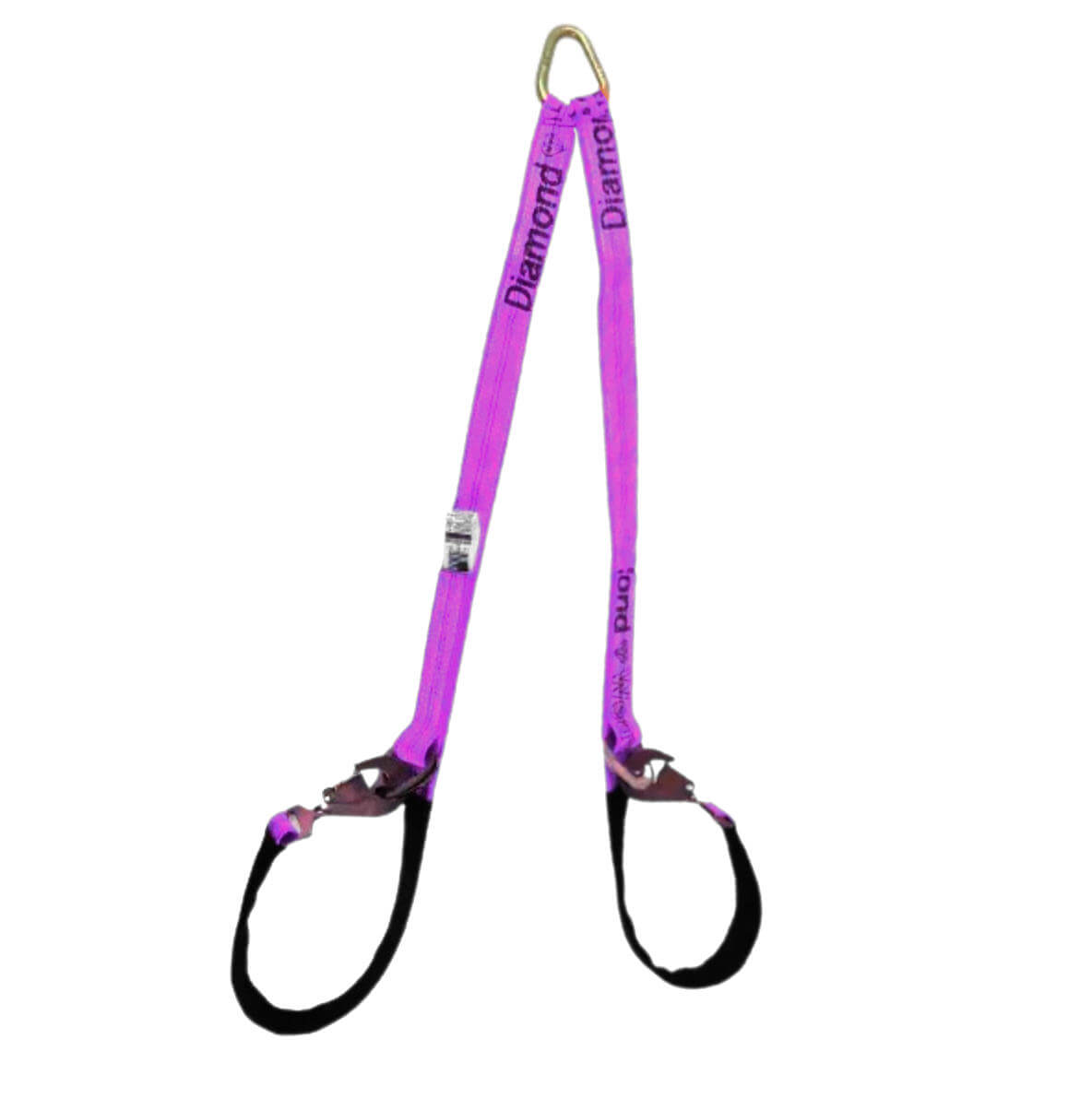
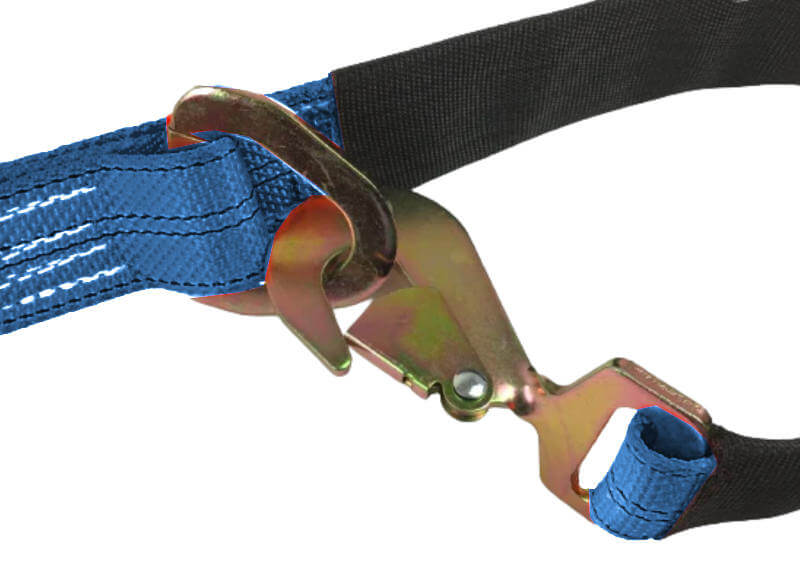
Axle V-Bridle Strap BLUE Diamond Weave
Quick View
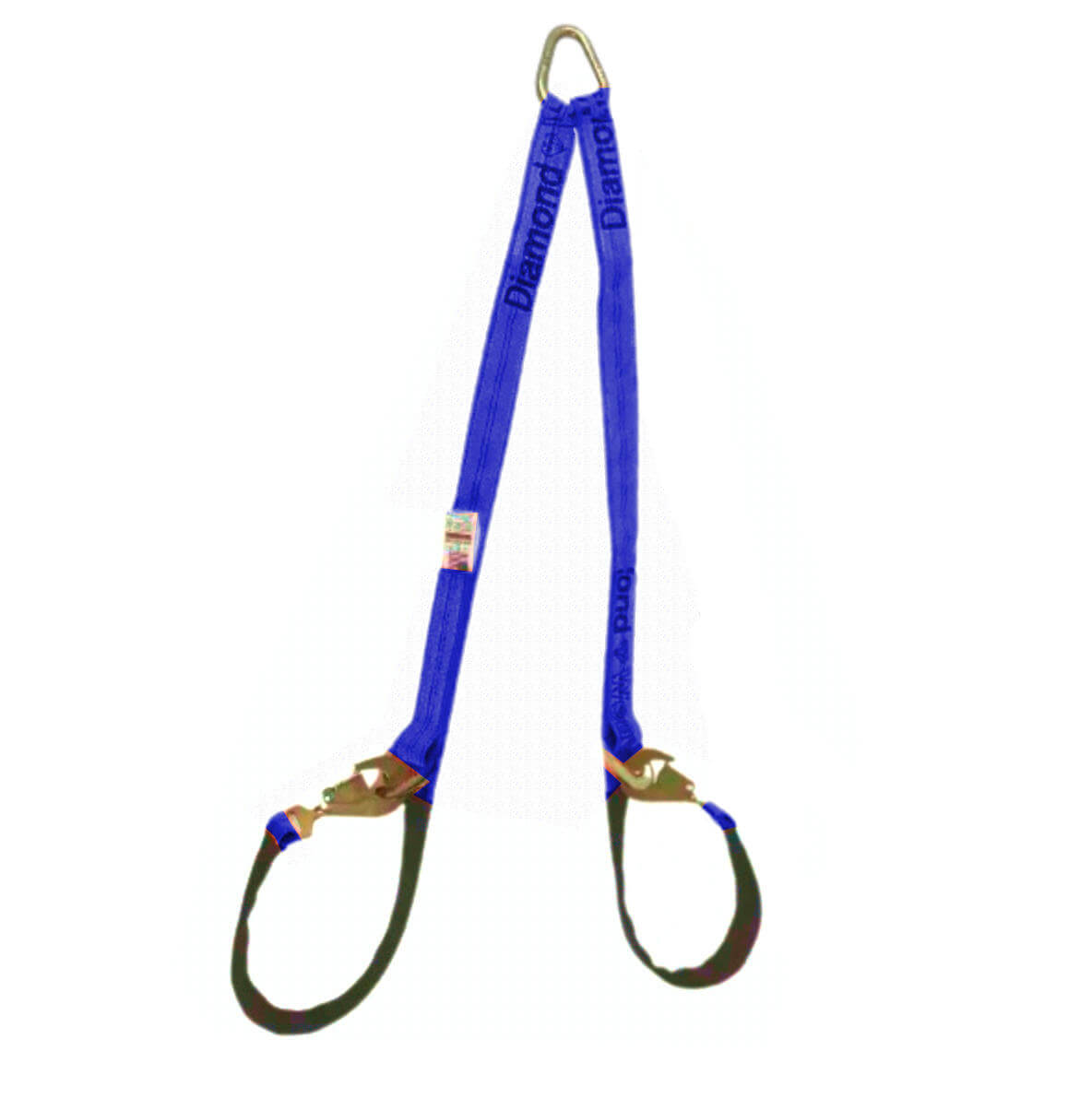
Axle V-Bridle Strap BLUE Diamond Weave
- Price
- From $85.00
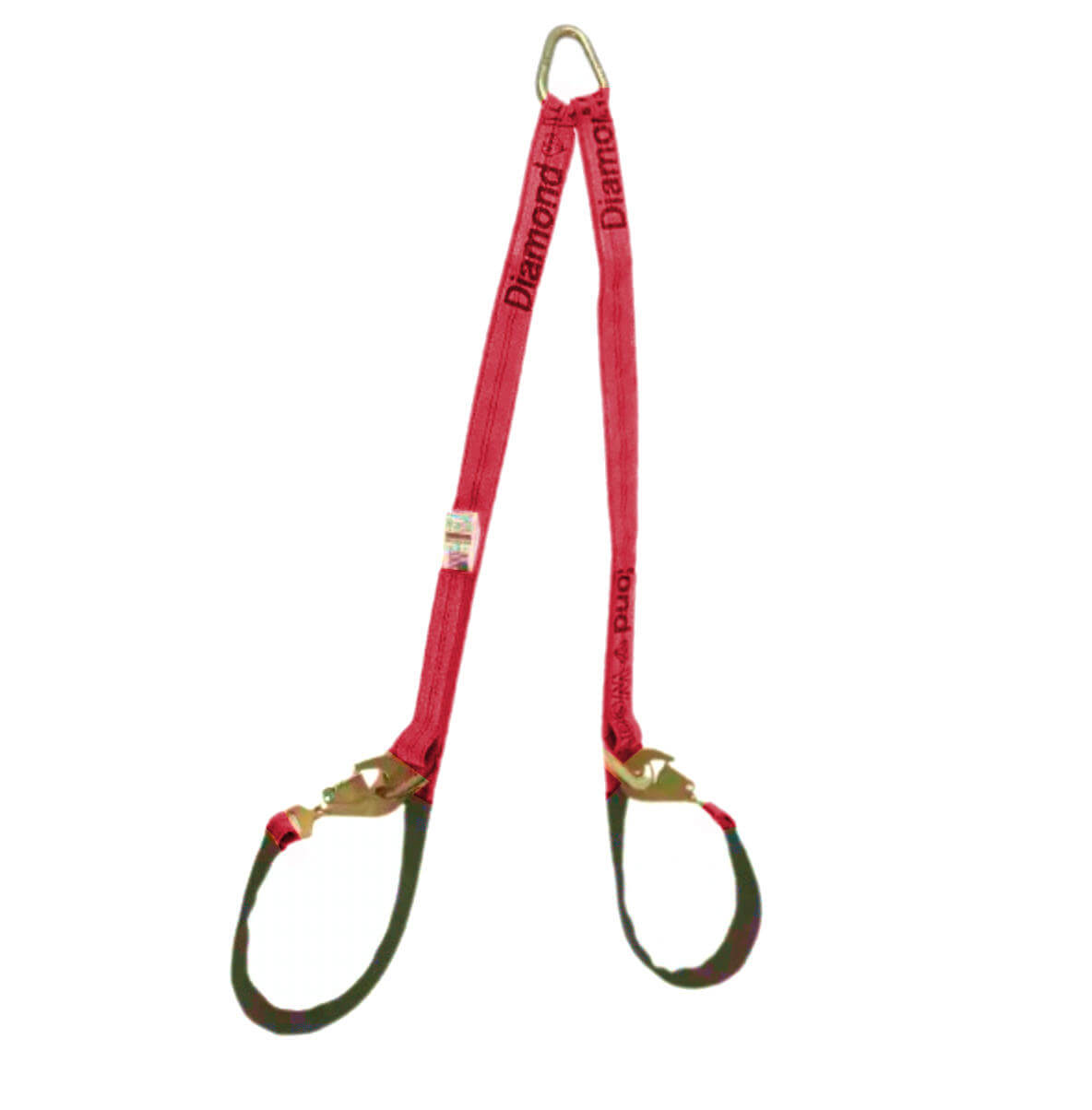
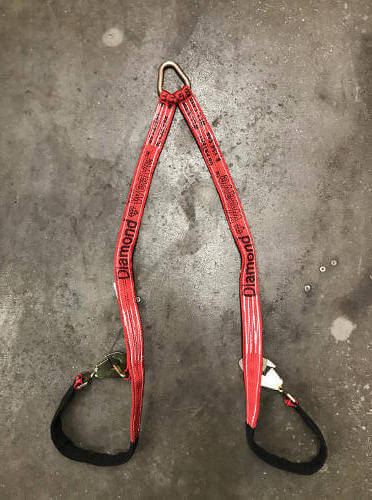
Axle V-Bridle Strap RED Diamond Weave
Quick View
Axle V-Bridle Strap RED Diamond Weave
- Price
- From $85.00
- Choosing a selection results in a full page refresh.