


-
MENU









Extending the Lifespan of Wire Rope Slings: Lubrication, Storage & Kinking Prevention
Wire rope slings are designed for demanding lifting applications, but even high-quality slings can deteriorate prematurely when they are improperly handled, stored, or maintained. Extending the service life of wire rope slings comes down to proactive maintenance across three core pillars: lubrication, proper storage, and kinking prevention.
This guide explains how to extend the service life of wire rope slings and what to look for when inspecting them.
Safety reminder: Wire rope slings should always be inspected and used according to applicable OSHA requirements, ASME B30.9, manufacturer instructions, and your company's established lifting procedures. A damaged sling should not be returned to service simply because it has been lubricated or straightened.

1. Internal Core Degradation & Lubrication Best Practices
Wire rope is made out of with dozens of individual wires moving against each other during every lift. Friction and internal corrosion are the leading hidden killers of wire rope slings.
Core Types & Degradation Signs
Wire rope slings typically feature either an Independent Wire Rope Core (IWRC) or a Fiber Core (FC). Understanding how the core fails is vital for safety:
- Fiber Core (FC): A fiber core helps support the steel strands and is lubricated during manufacturing. High heat, harsh chemicals, or long-term exposure to dry conditions can cause the core to dry out, weaken, or deteriorate.
- Independent Wire Rope Core (IWRC): An IWRC uses a smaller wire rope inside the main rope. Without proper lubrication, the steel wires can rub against each other, causing internal wear and broken wires that may not be visible during a basic visual inspection.
Signs of Core Failure
-
Diameter Reduction: A sudden drop in rope diameter in a localized section indicates core breakdown or internal wire loss.
-
Internal Corrosion / "Bleeding": Reddish-brown rust bleeding out from between the strands indicates internal moisture trapping and zero remaining lubricant.
-
Loss of Flexibility: A stiff, unyielding sling often signals dry, high-friction internal strands.
Lubrication Best Practices
-
Use Penetrating Lubricants: Not every oil or grease is suitable for wire rope. Surface grease only seals moisture inside. Use a lubricant specifically recommended for the particular wire rope construction and application. The lubricant should be capable of penetrating between wires and strands rather than simply forming a thick coating on the outside. Use light-to-medium viscosity penetrating oils formulated for wire rope to reach the internal core.
-
Apply Under Tension or Over Sheaves: Apply lubricant where the rope flexes over a sheave or drum, as the strands open slightly to allow deep lubricant penetration.
-
Clean Before Re-lubrication: Remove abrasive dirt, grit, and old hardened grease with a wire brush or compressed air before applying new oil.
Lubrication is preventive maintenance—not a repair. It cannot restore strength to a rope that has broken wires, severe corrosion, a permanent kink, crushing, birdcaging, or core damage.
2. Proper Spooling & Storage Rack Best Practices
Improper storage leads to moisture accumulation, chemical contact, and structural bending that permanently damages wire rope fibers. Improper spooling can cause crushing, flattening, overlapping wraps, and uneven wear.

Storage Rack Setup
Never leave wire rope slings lying on the shop floor, dirt, or wet pavement. Wire rope slings should be stored on suitable racks or supports rather than left on the floor or piled where they can be crushed or damaged.
Whenever possible, store wire rope slings:
- On designated racks or hooks
- In a clean, dry area
- Away from standing water
- Away from corrosive chemicals
- Away from vehicle traffic
- Without sharp bends or tight coils
Storage racks should provide adequate support without forcing the sling over a sharp edge or creating excessive bending.
Proper Spooling and Unspooling
When wire rope is wound onto a drum, it should be kept straight, properly aligned, and under the right amount of tension. If the rope is wound incorrectly or pulled from a coil the wrong way, it can twist, form loops, and eventually develop permanent kinks or damage.
| Task | Do This | Avoid This |
|---|---|---|
| Uncoiling from a Reel | Let the reel turn while pulling the rope straight. | Pulling the rope sideways from a reel that isn't moving. |
| Uncoiling from a Coil | Roll the coil like a tire to release the rope. | Pulling the rope straight up from a coil lying flat. |
| Winding onto a Drum | Keep the rope tight and wind it evenly. | Letting the rope become loose, tangled, or overlap. |
3. Preventing Kinking and Permanent Deformation
Kinking is one of the most common forms of wire rope damage caused by improper handling. A kink can develop when a loop forms in the rope and is then pulled tight. Once the strands have been forced out of their original configuration, the rope may suffer permanent deformation.
If a loop develops, stop and straighten it before applying tension.
Do not pull the rope tighter in an attempt to remove the loop.
Once a loop has tightened into a permanent kink, simply straightening it does not necessarily restore the rope's original condition or strength. A kinked sling should be inspected and evaluated according to applicable removal criteria.
ASME B30.9 & OSHA Removal Criteria Checklist
Inspect your wire rope slings before every shift. According to OSHA 1910.184 and ASME B30.9, a wire rope sling must be removed from service immediately if any of the following are observed:
-
Broken Wires: 10 randomly distributed broken wires in one rope lay, or 5 broken wires in one strand in one rope lay.
-
Severe Abrasion: Reduction of nominal rope diameter by more than 5%–10% due to wear.
-
Kinking, Crushing, or Birdcaging: Any evidence of permanent distortion, core protrusion, or untwisting.
-
Corrosion: Severe pitting or internal rust accumulation affecting strand movement.
-
Heat Damage: Any evidence of welding spatter, torch burns, or thermal discoloration.
-
End Fitting Distortion: Cracked, bent, or visibly deformed hooks, master links, or thimbles.

Final Thoughts
Extending the life of a wire rope sling comes down to consistent handling, maintenance, storage, and inspection.
Proper lubrication helps control internal friction and corrosion. Correct spooling reduces crushing and uneven deformation. Careful handling helps prevent loops from becoming permanent kinks, while proper rack storage protects slings from moisture, chemicals, abrasion, and unnecessary bending.
Most importantly, maintenance should never replace inspection.
Shop Wire Rope Slings
Baremotion offers wire rope slings and lifting equipment for industrial, construction, material handling, rigging, and other demanding applications.
Always verify working load limits, sling configuration, and applicable safety requirements before lifting.
Wire Rope Slings
1/4" Eye & Eye Wire Rope Slings - Single Leg 1300 lbs WLL
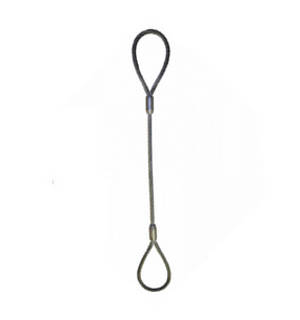
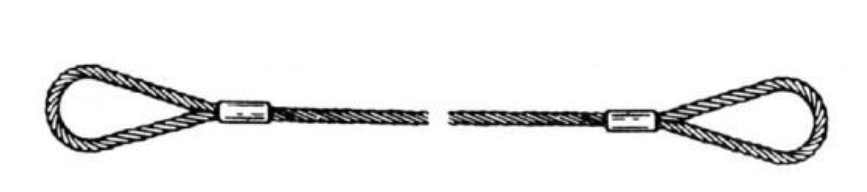
Quick View
1/4" Eye & Eye Wire Rope Slings - Single Leg 1300 lbs WLL
- Price
- From $16.00
5/16" Eye & Eye Wire Rope Slings - Single Leg 2000 lbs WLL
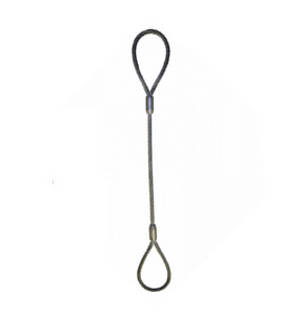
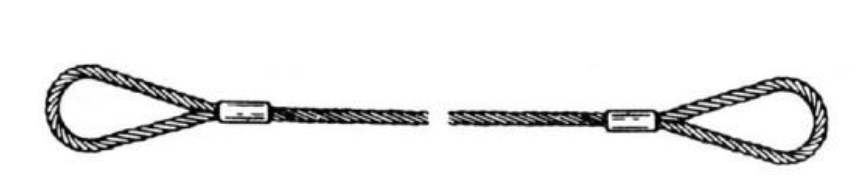
Quick View
5/16" Eye & Eye Wire Rope Slings - Single Leg 2000 lbs WLL
- Price
- From $18.00
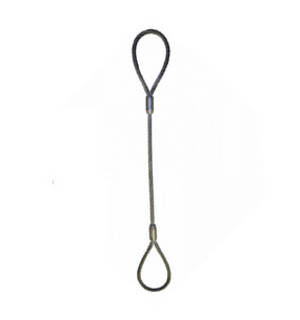
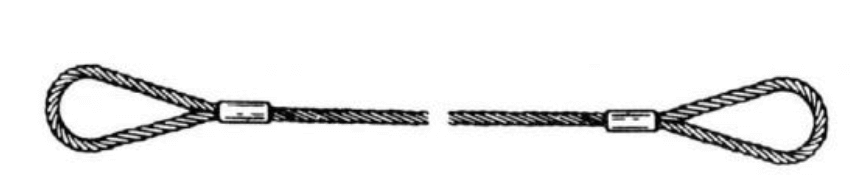
3/8" Eye & Eye Wire Rope Slings - Single Leg 2800 lbs WLL
Quick View
3/8" Eye & Eye Wire Rope Slings - Single Leg 2800 lbs WLL
- Price
- From $20.00
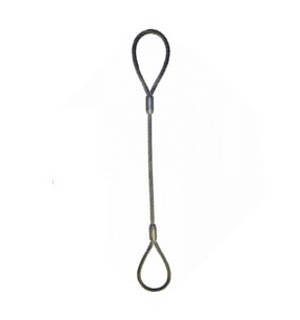
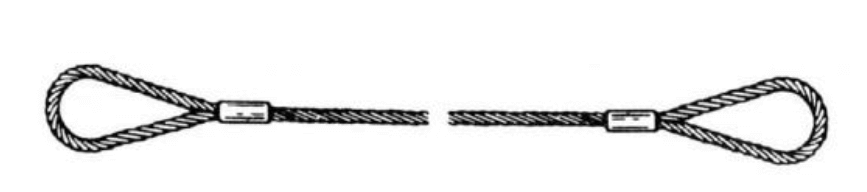
1/2" Eye & Eye Wire Rope Slings - Single Leg 5000 lbs WLL
Quick View
1/2" Eye & Eye Wire Rope Slings - Single Leg 5000 lbs WLL
- Price
- From $33.00
5/8" Eye & Eye Wire Rope Slings - Single Leg 7800 lbs WLL
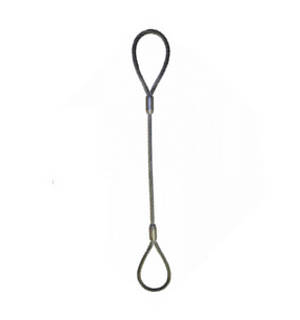
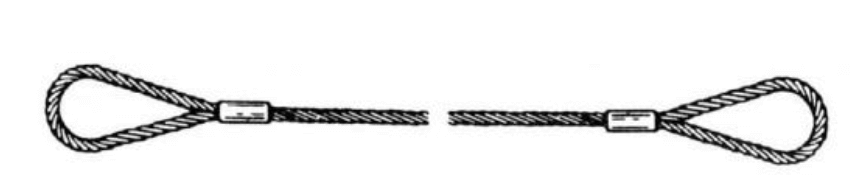
Quick View
5/8" Eye & Eye Wire Rope Slings - Single Leg 7800 lbs WLL
- Price
- From $44.00
3/4" Eye & Eye Wire Rope Slings - Single Leg Sling 11200 lbs WLL
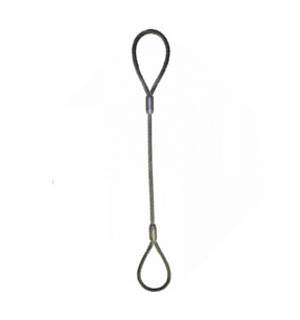
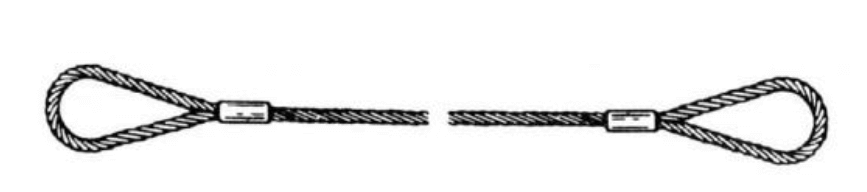
Quick View
3/4" Eye & Eye Wire Rope Slings - Single Leg Sling 11200 lbs WLL
- Price
- From $79.00
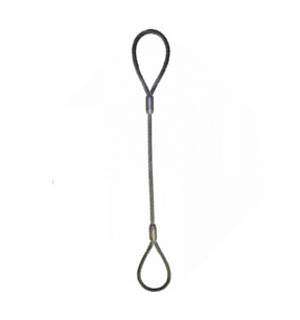
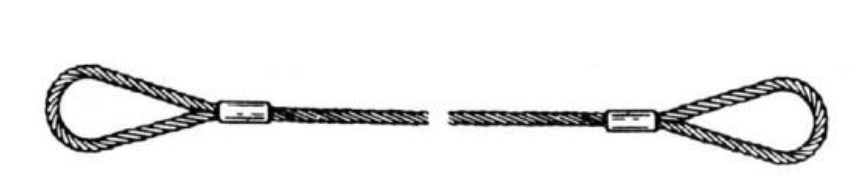
7/8" Eye & Eye Wire Rope Slings - Single Leg Sling 15200 lbs WLL
Quick View
7/8" Eye & Eye Wire Rope Slings - Single Leg Sling 15200 lbs WLL
- Price
- From $120.00
Galvanized Aircraft Cable
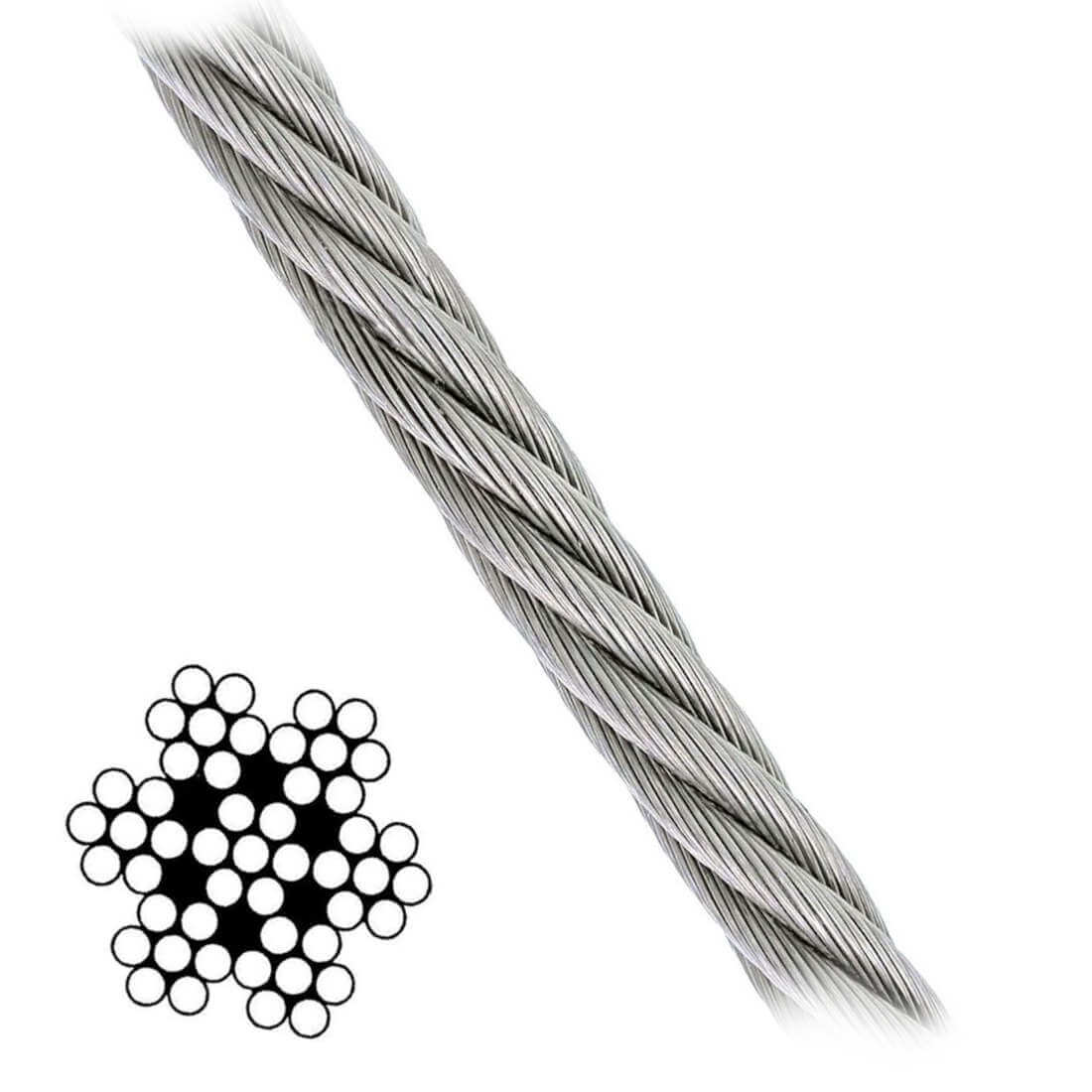
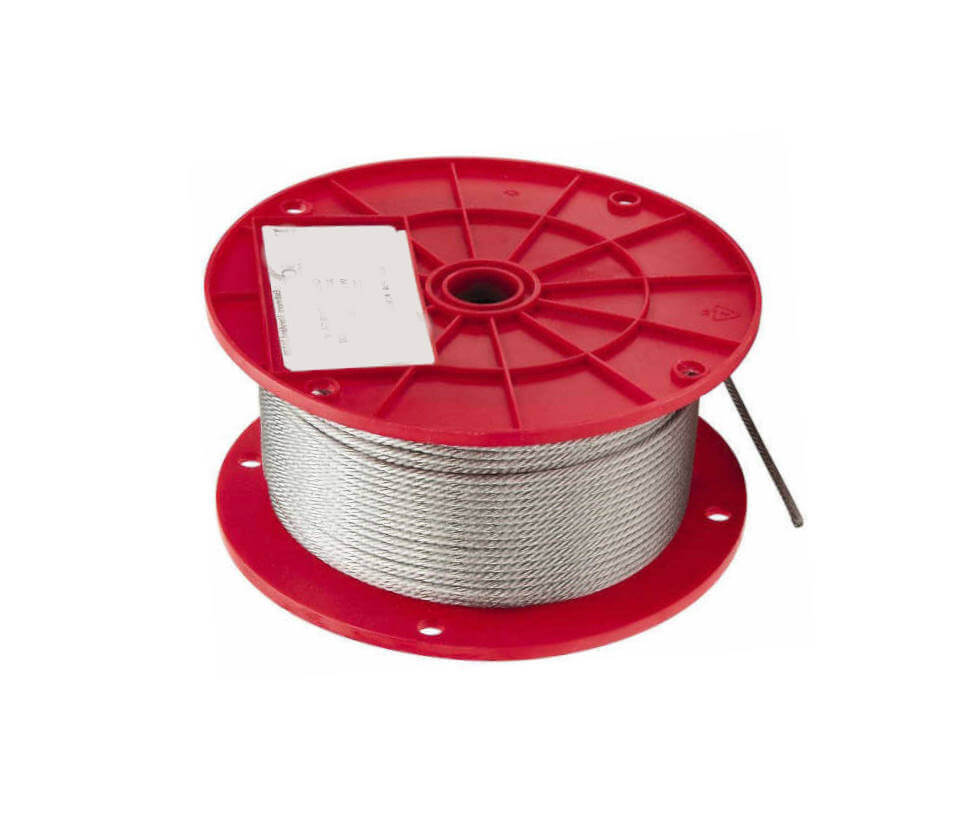
1/16" x 250' 7x7 Galvanized Aircraft Cable
Quick View
1/16" x 250' 7x7 Galvanized Aircraft Cable
- Price
- $45.00
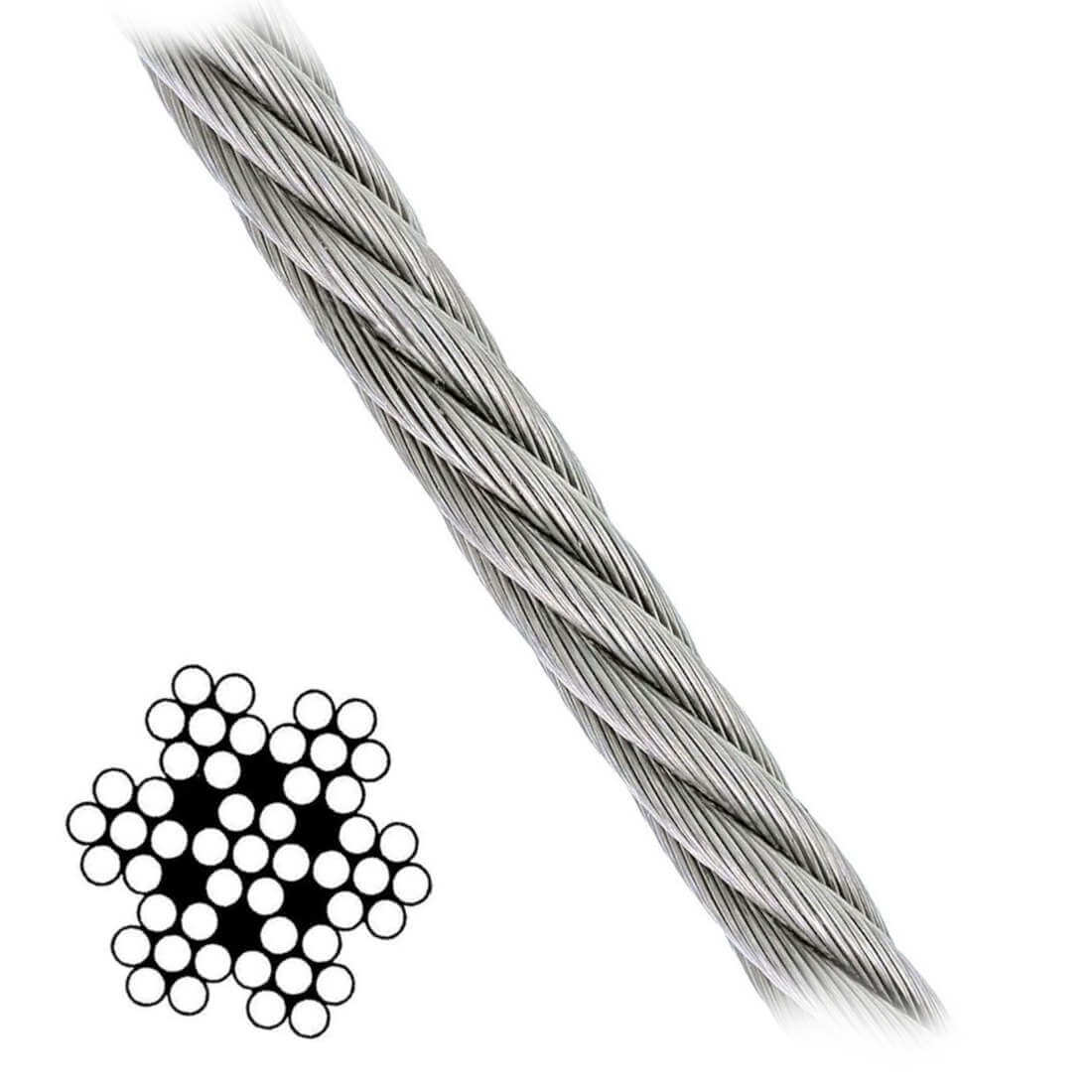
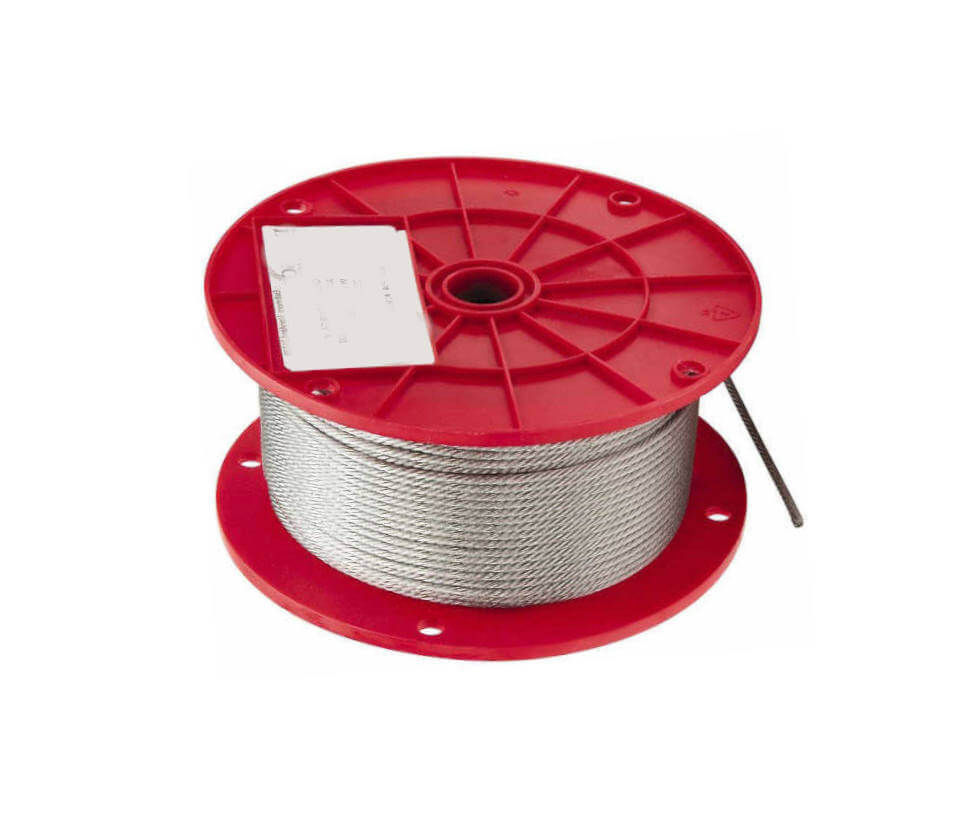
1/16" x 500' 7x7 Galvanized Aircraft Cable
Quick View
1/16" x 500' 7x7 Galvanized Aircraft Cable
- Price
- $68.00
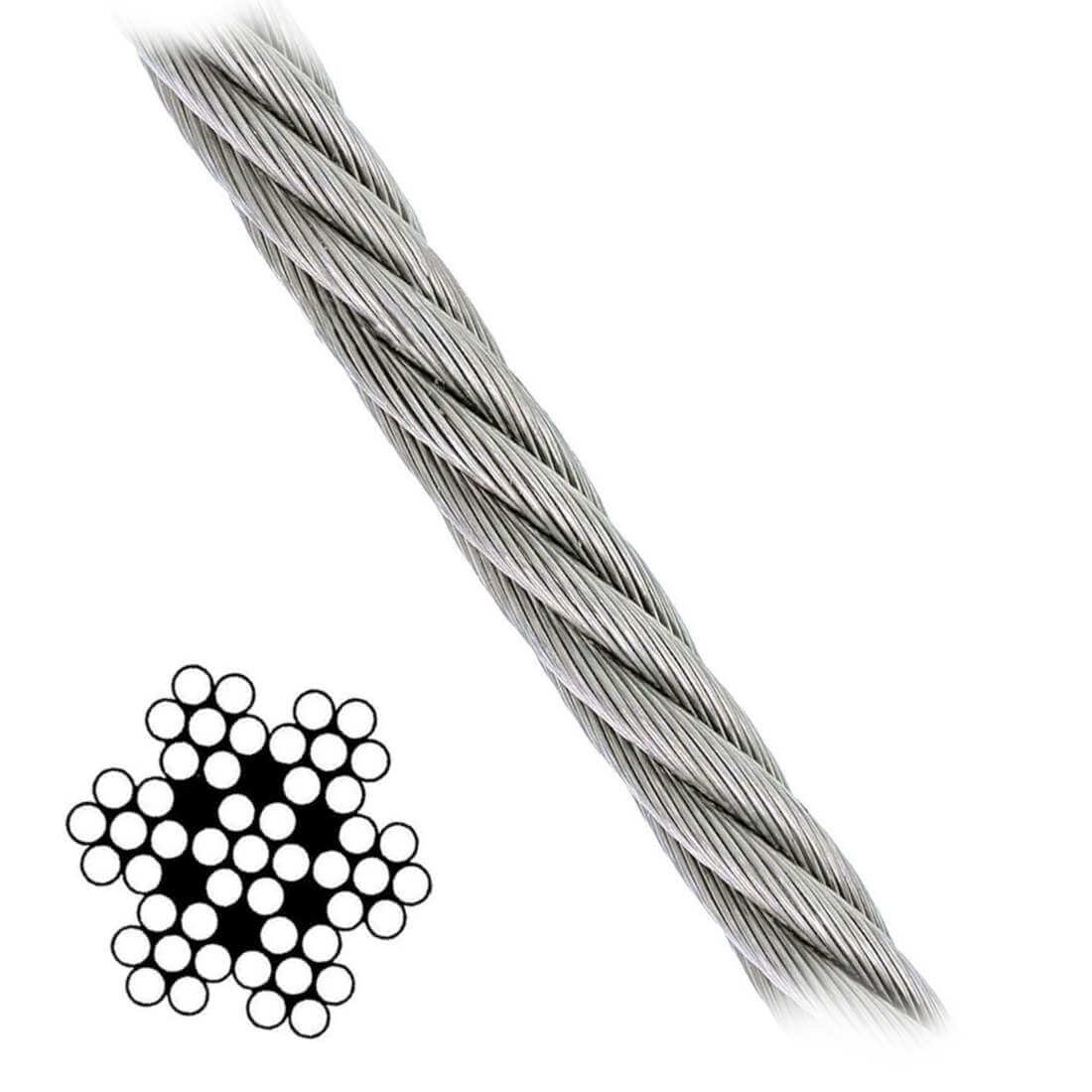
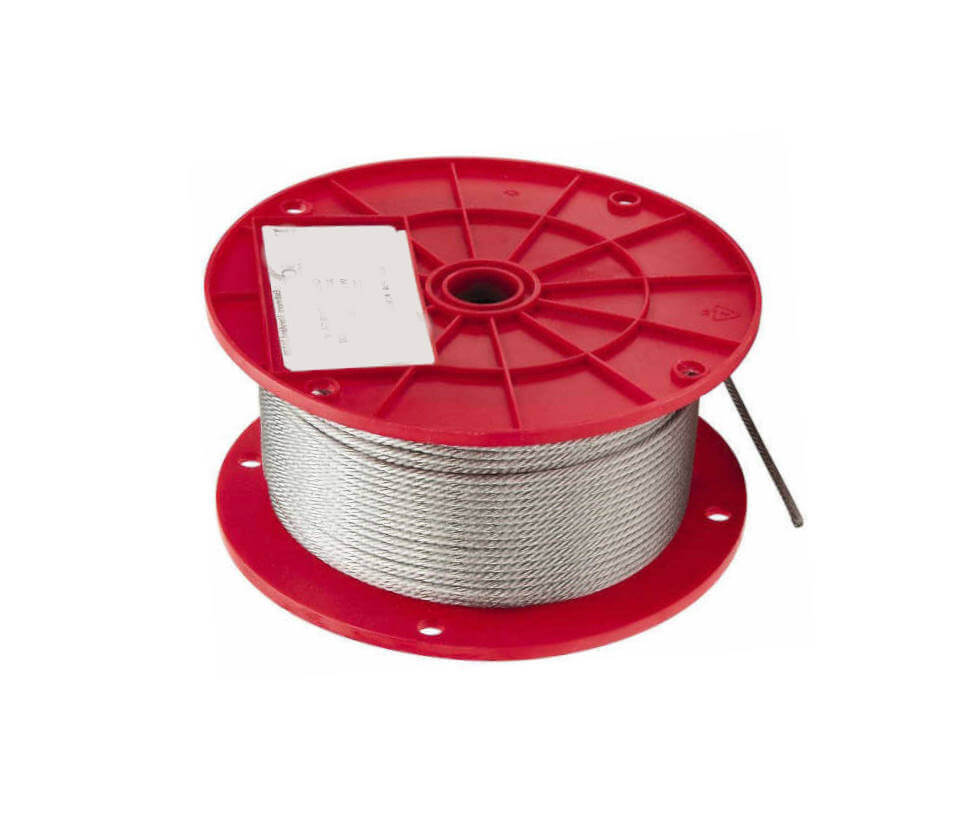
1/16" x 1000' 7x7 Galvanized Aircraft Cable
Quick View
1/16" x 1000' 7x7 Galvanized Aircraft Cable
- Price
- $74.00
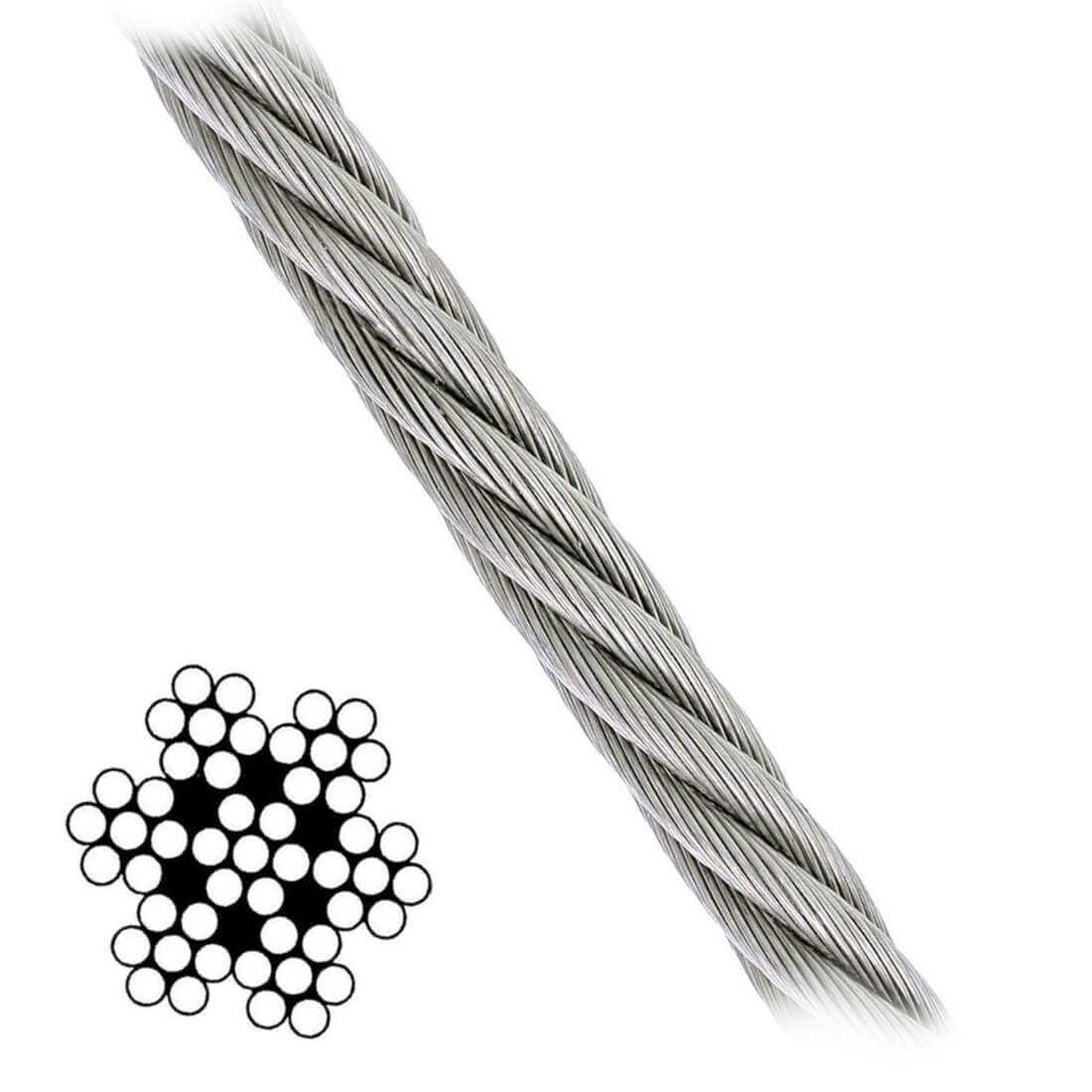
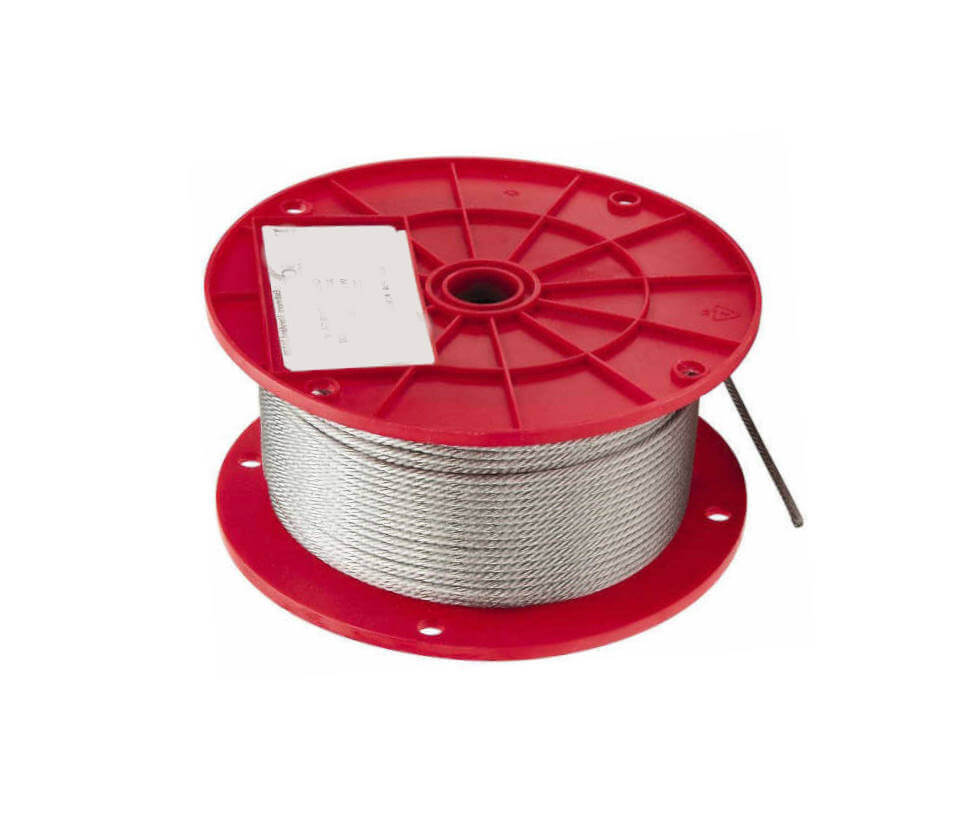
1/8" x 250' 7x7 Galvanized Aircraft Cable
Quick View
1/8" x 250' 7x7 Galvanized Aircraft Cable
- Price
- $69.00
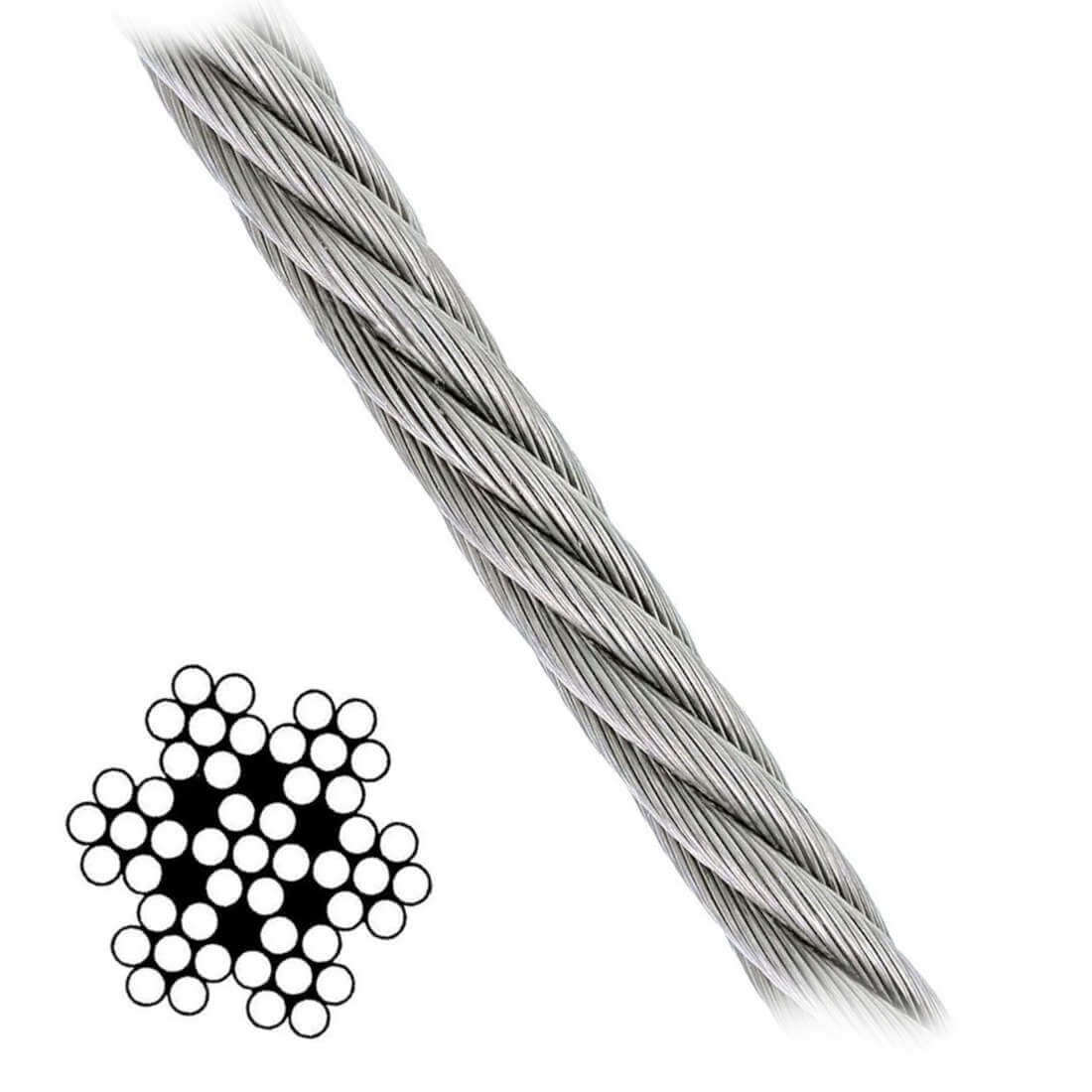
1/8" x 500' 7x7 Galvanized Aircraft Cable

Quick View

1/8" x 500' 7x7 Galvanized Aircraft Cable
- Price
- $119.00
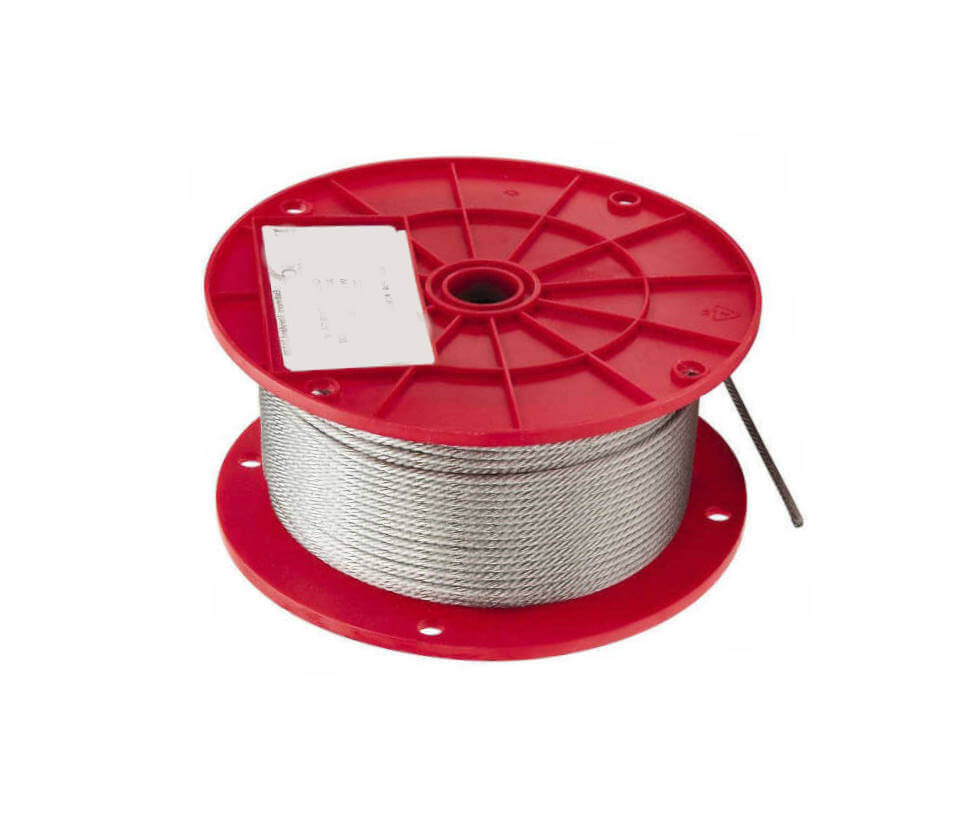
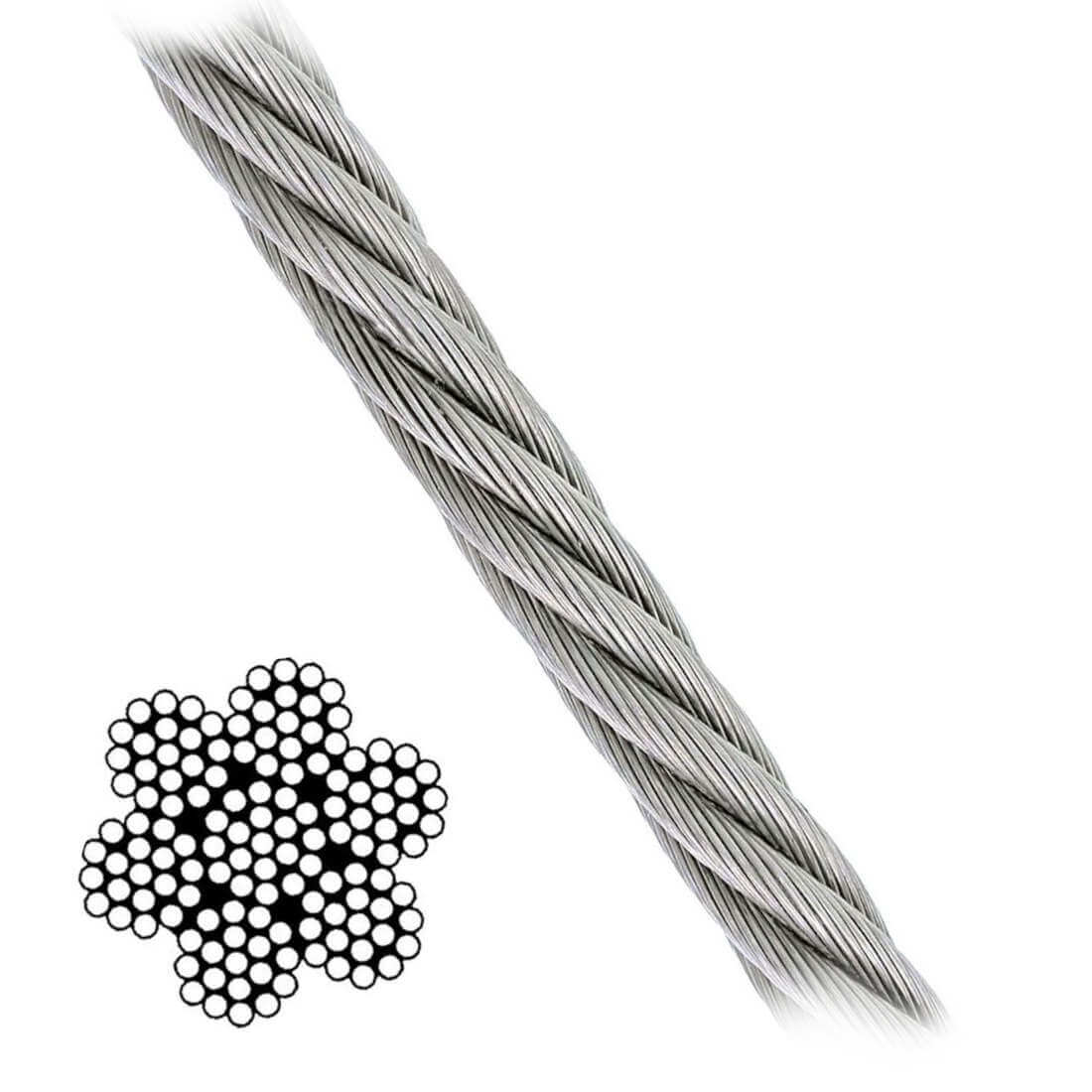
1/8" x 250' 7x19 Galvanized Aircraft Cable - 2000 lbs
Quick View
1/8" x 250' 7x19 Galvanized Aircraft Cable - 2000 lbs
- Price
- $74.00
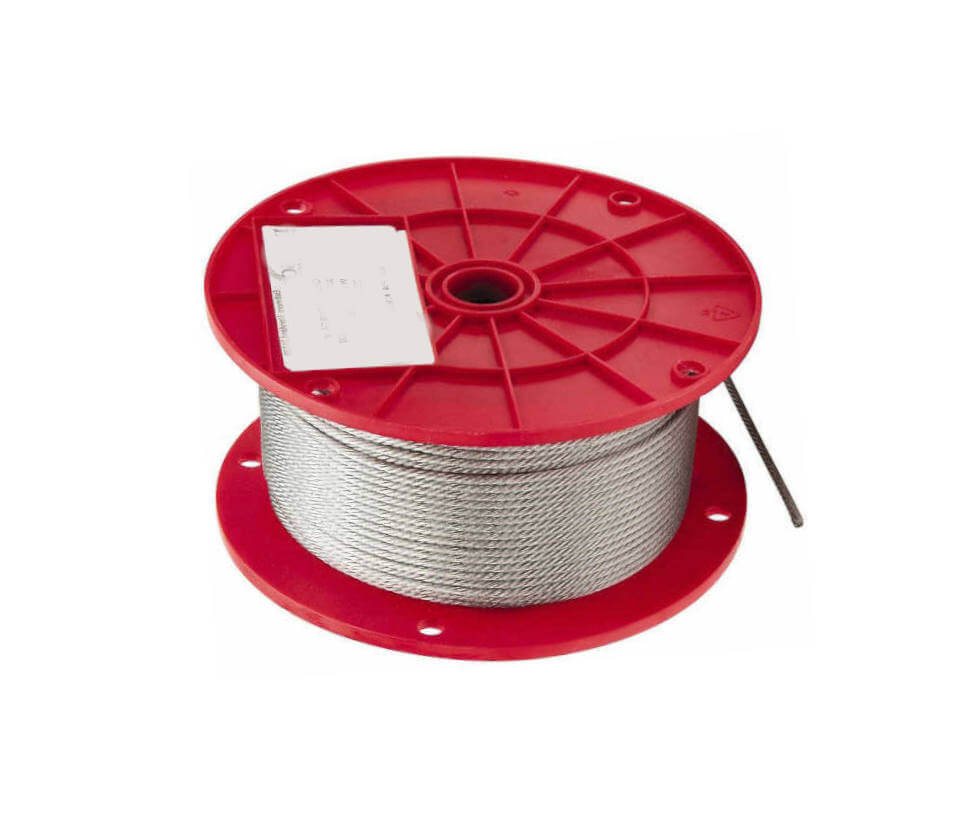
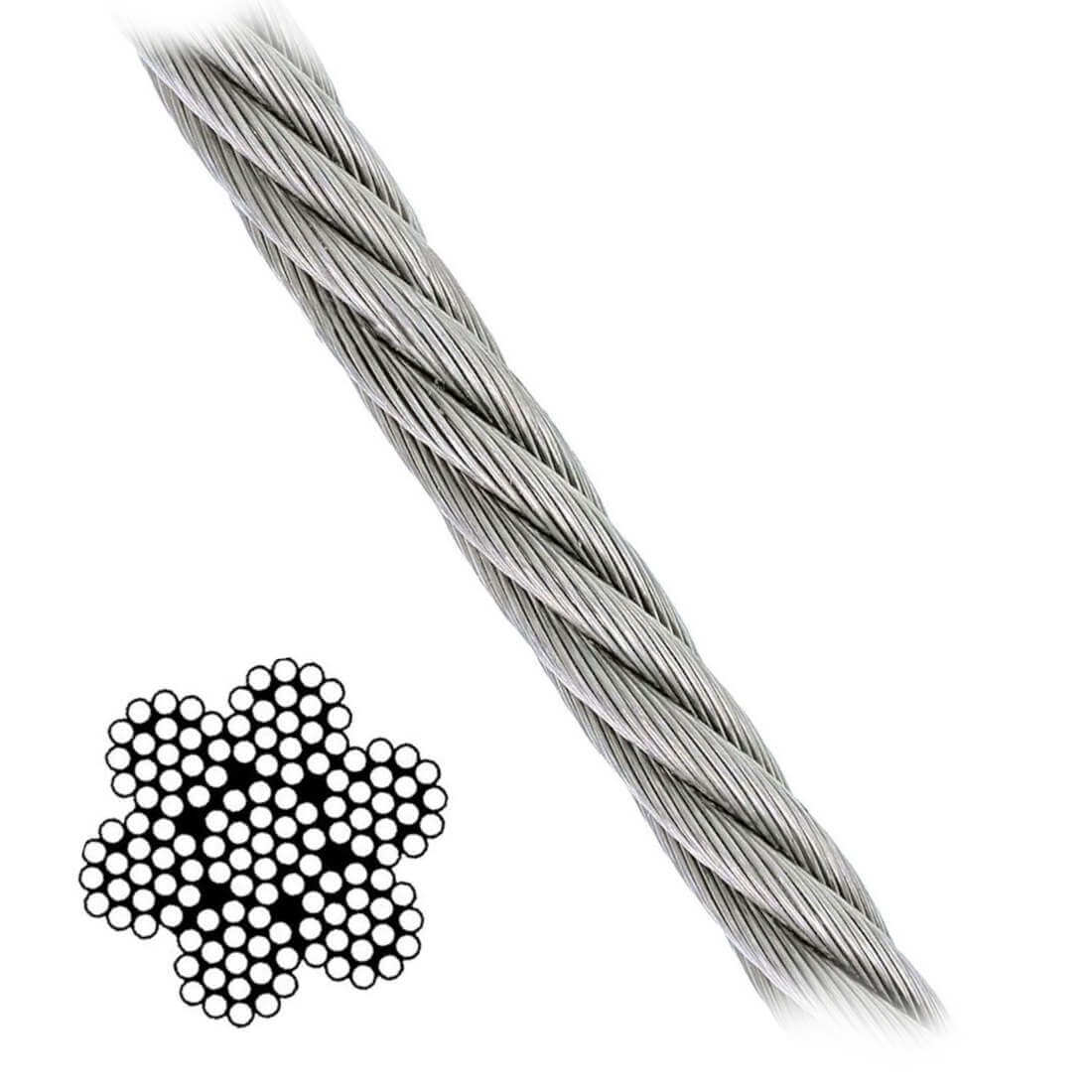
1/8" x 500' 7x19 Galvanized Aircraft Cable - 2000 lbs
Quick View
1/8" x 500' 7x19 Galvanized Aircraft Cable - 2000 lbs
- Price
- $119.00
- Choosing a selection results in a full page refresh.