



-
MENU









Common Shackle Mistakes to Avoid When Lifting
Shackles connect lifting slings, chains, wire rope, and other rigging components. Choosing the wrong shackle or using it incorrectly can compromise a lifting operation.
The most common shackle mistakes include exceeding the working load limit (WLL), side-loading, incorrect pin installation, choosing the wrong shackle type, and using damaged hardware.
This guide is a starting point for those checks, not approval for a lifting arrangement. Follow the shackle manufacturer’s instructions and have a qualified rigging professional evaluate application-specific questions.

5 Common Shackle Mistakes
1. Exceeding the Working Load Limit
Every shackle has a rated working load limit (WLL). Never exceed this rating or confuse breaking strength with allowable working load. Consider the complete rigging configuration and follow the manufacturer's capacity requirements.
2. Choosing the Wrong Shackle Type
Anchor (bow) shackles have a wider body that accommodates certain multi-component connections, while chain (D) shackles have a narrower profile suited to in-line connections. Choose the type that matches the load direction, connection geometry, and manufacturer's instructions.
3. Side-Loading the Shackle
Shackles are generally designed for loading along their intended axis. Side-loading can reduce capacity or introduce unsafe forces. Avoid it unless the manufacturer permits the arrangement, and follow any required capacity reductions.
4. Installing the Pin Incorrectly
Use the correct shackle pin and install it according to the manufacturer's instructions. Never substitute an ordinary bolt for an approved pin. For bolt-type shackles, ensure the nut and cotter pin are correctly installed.
5. Using Damaged or Incompatible Hardware
Inspect shackles for cracks, deformation, excessive wear, corrosion, and damaged pins or threads. Also confirm that connected slings, hooks, and chains fit properly and do not create unintended loading. Remove questionable hardware from service for evaluation.

Protect Your Crew and Equipment with Proper Shackle Safety
Shackles may be among the smallest hardware components on a job site, but they carry massive responsibility. Avoiding basic mistakes—such as side-loading, substituting unrated pins, or skipping routine visual inspections—is essential for preventing costly equipment damage and hazardous structural failures.
By following proper rigging practices, respecting permanently forged load ratings, and retiring worn hardware early, you ensure maximum operational efficiency and zero-harm workplace safety.
Frequently Asked Questions
What is the difference between an anchor shackle and a chain shackle?
An anchor shackle has a wider bow for certain multi-component connections. A chain shackle has a narrower profile suited to in-line connections. The correct choice depends on the application and loading conditions.
When should a shackle be replaced?
Remove a shackle from service if it shows cracks, unacceptable wear, deformation, or damage to its pin or threads. Follow the manufacturer's inspection and rejection criteria.
Find the Right Rigging Hardware
The right shackle helps create a compatible rigging assembly when selected and used according to its rated capacity and manufacturer instructions. Explore Baremotion's rigging hardware and shackles to find components for your lifting applications.
Shop Shackles
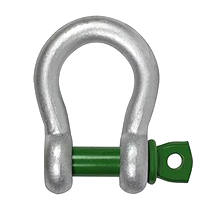
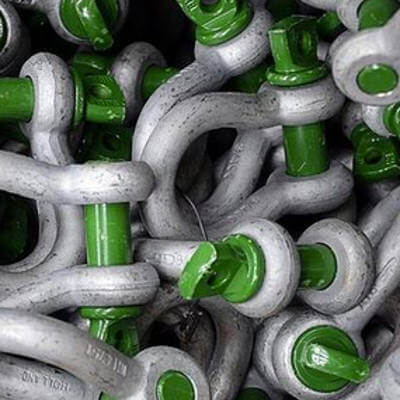
Van Beest G-4161 Screw Pin Anchor Shackle Green Pin
Quick View
Van Beest G-4161 Screw Pin Anchor Shackle Green Pin
- Price
- From $18.00
Crosby® G-209A Screw Pin Anchor Shackles Alloy
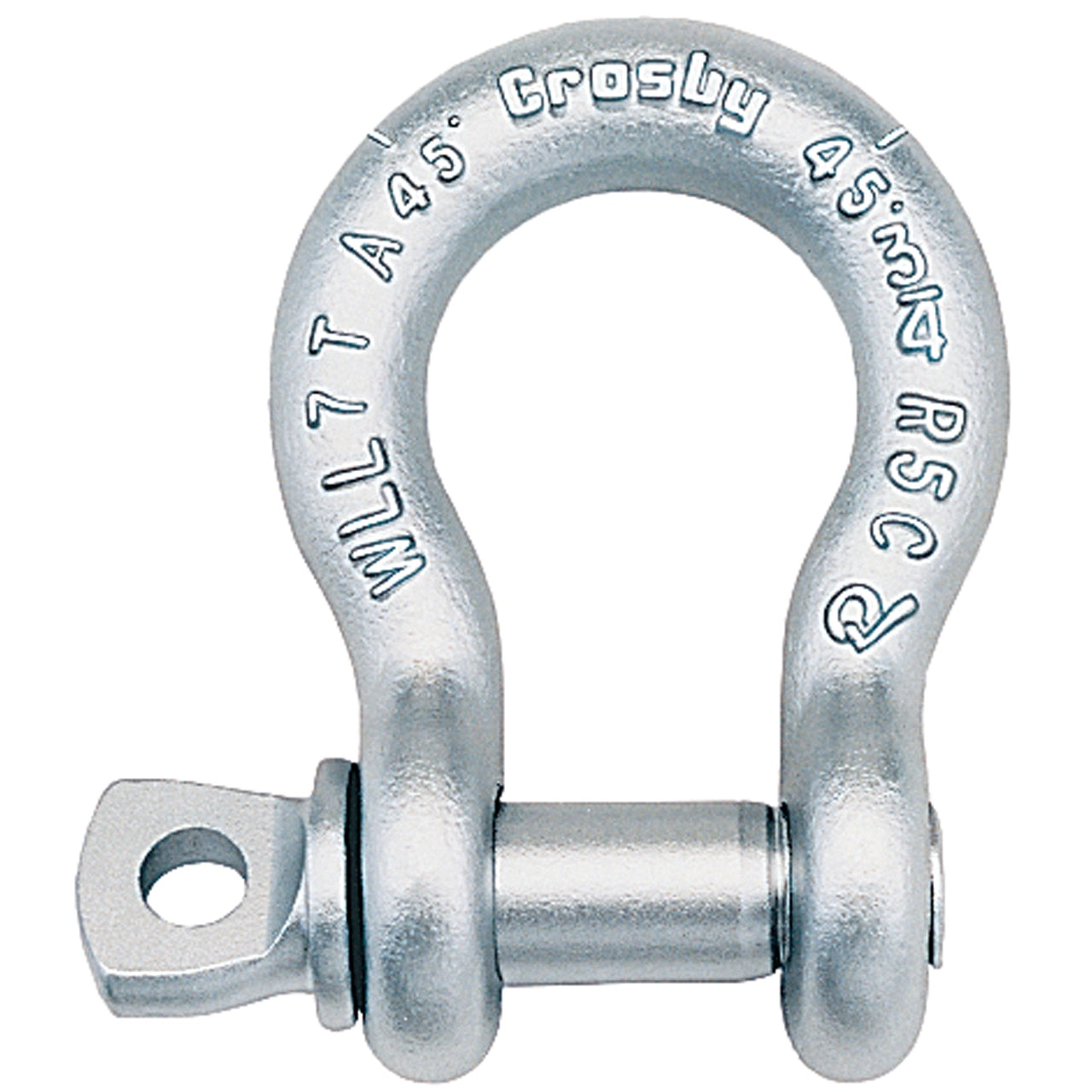
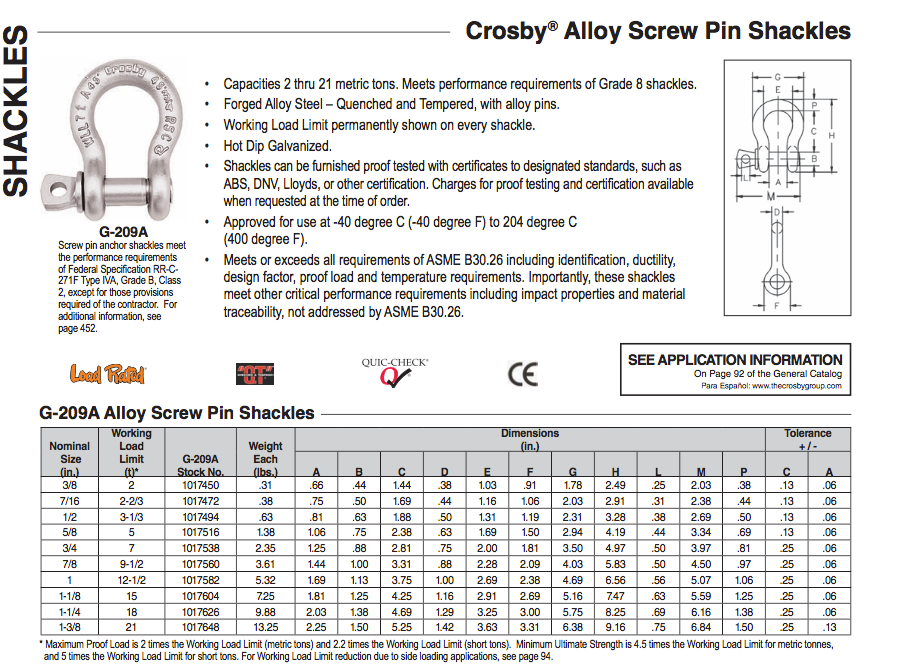
Quick View
Crosby® G-209A Screw Pin Anchor Shackles Alloy
- Price
- From $29.00
CM Super Strong Screw Pin Anchor Shackles
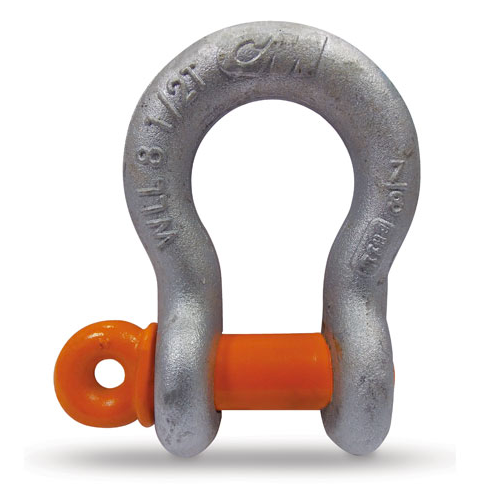
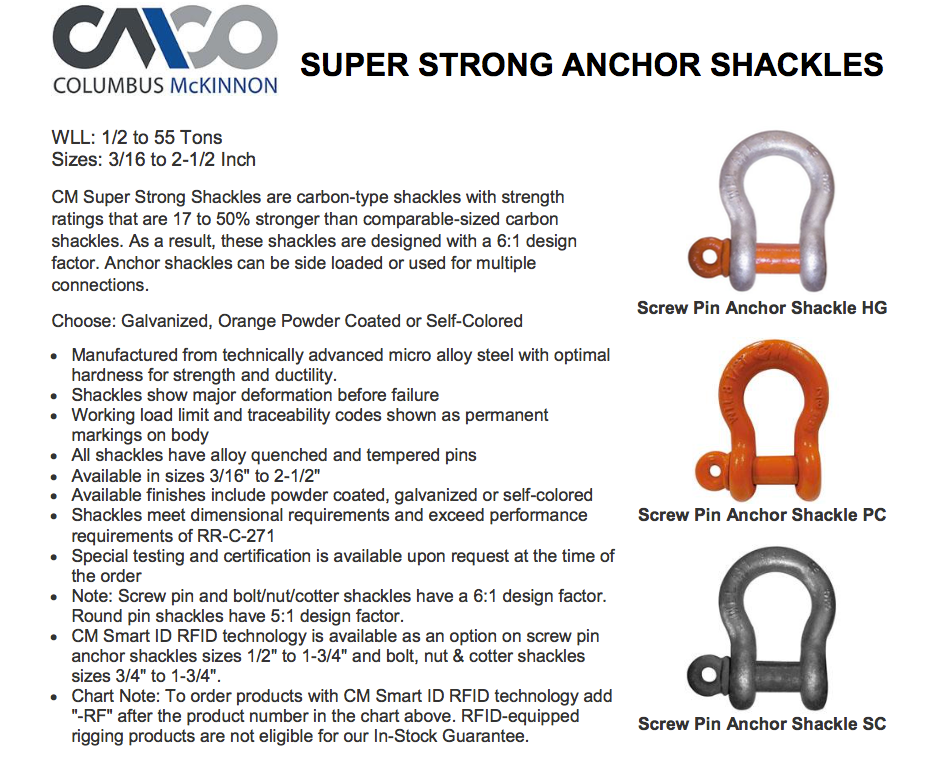
Quick View
CM Super Strong Screw Pin Anchor Shackles
- Price
- From $13.00
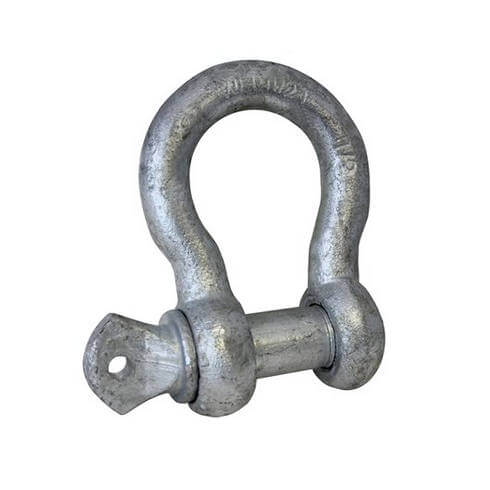
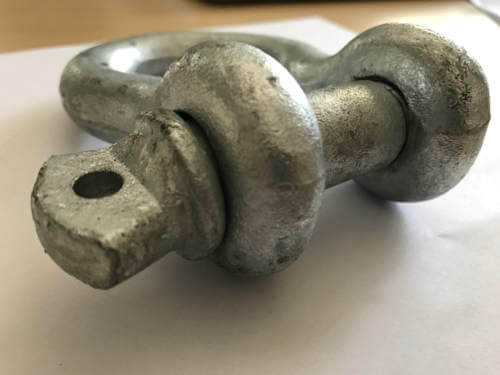
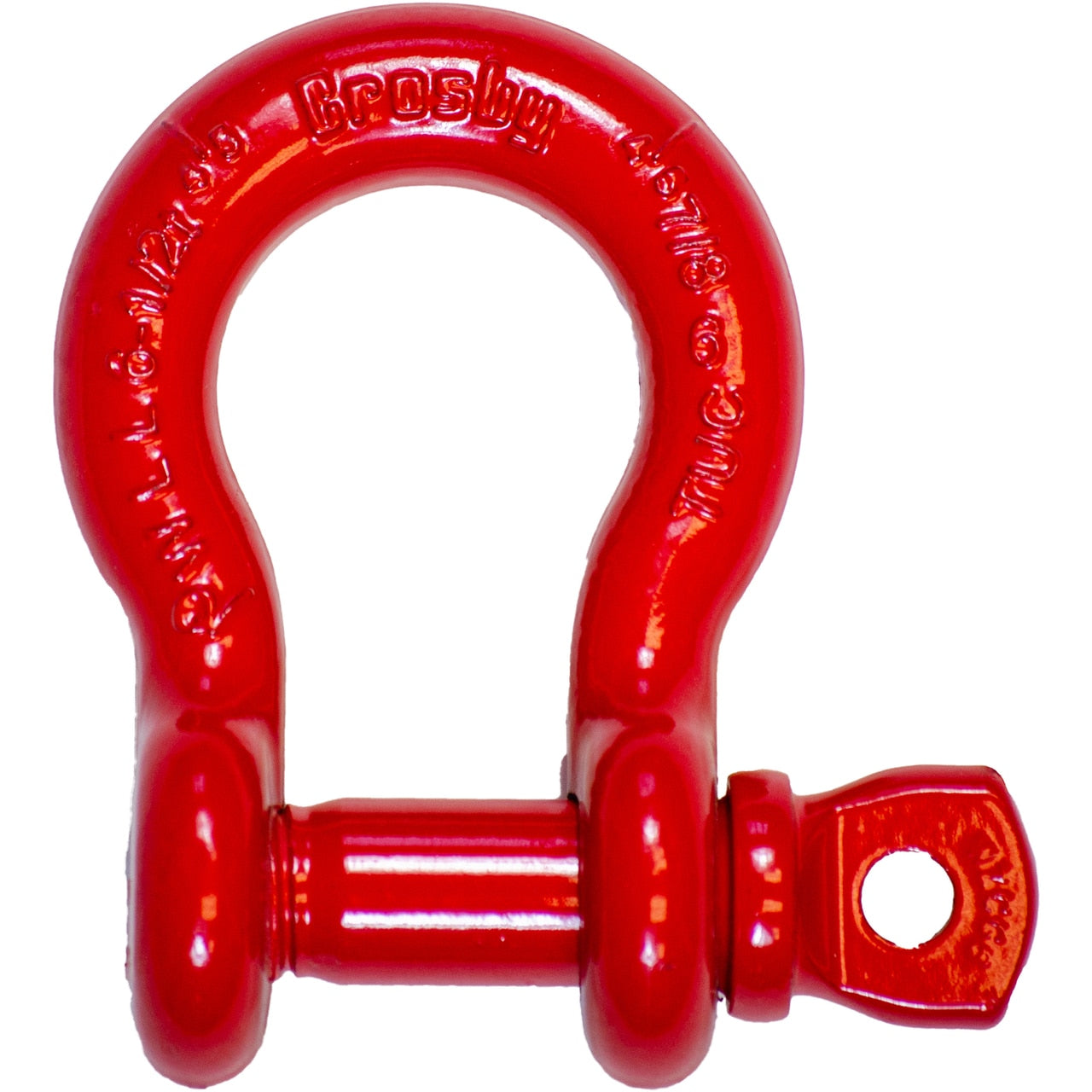
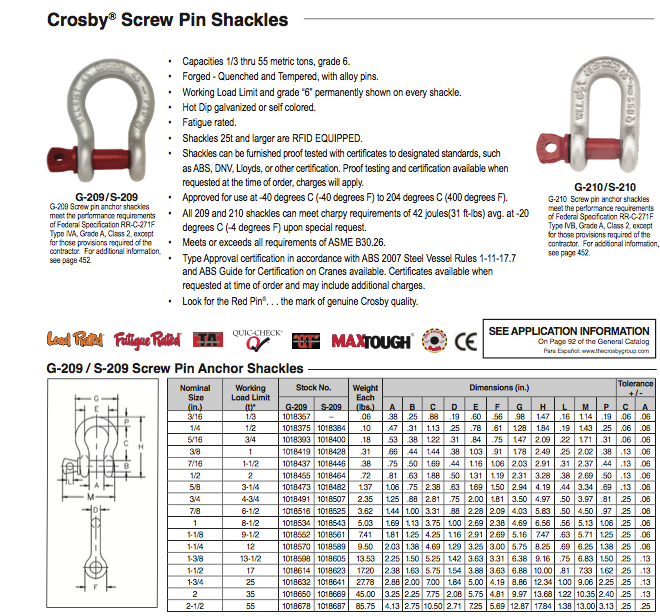
Crosby® S-209 Screw Pin Anchor Shackles
Quick View
Crosby® S-209 Screw Pin Anchor Shackles
- Price
- From $12.00
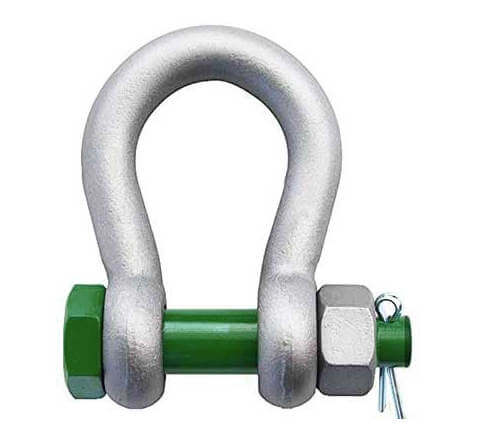
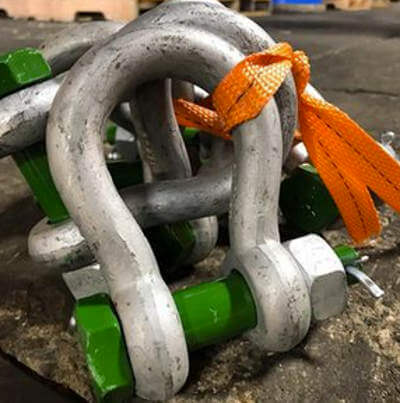
Van Beest G-4163 Bolt Type Anchor Shackle Green Pin
Quick View
Van Beest G-4163 Bolt Type Anchor Shackle Green Pin
- Price
- From $42.00
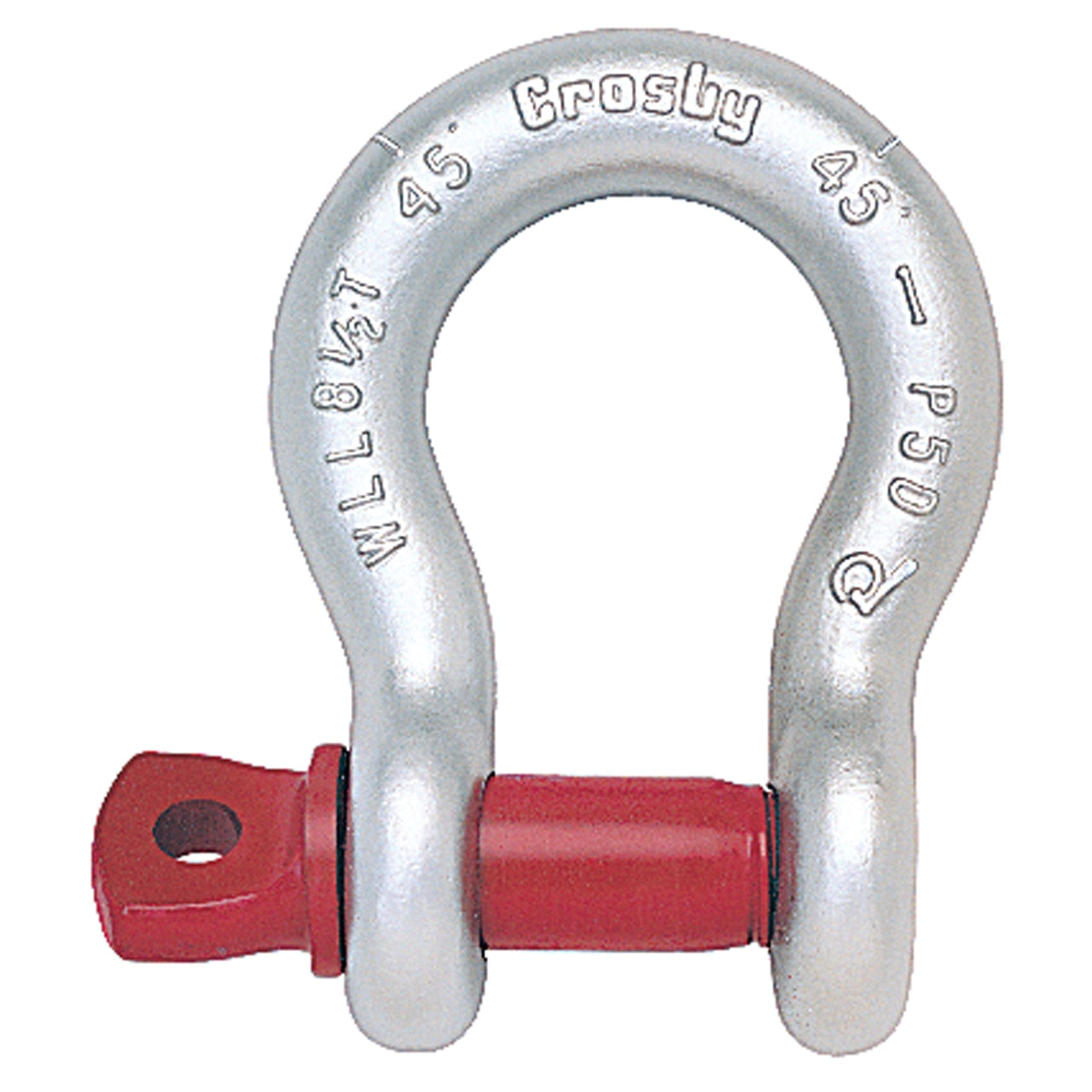
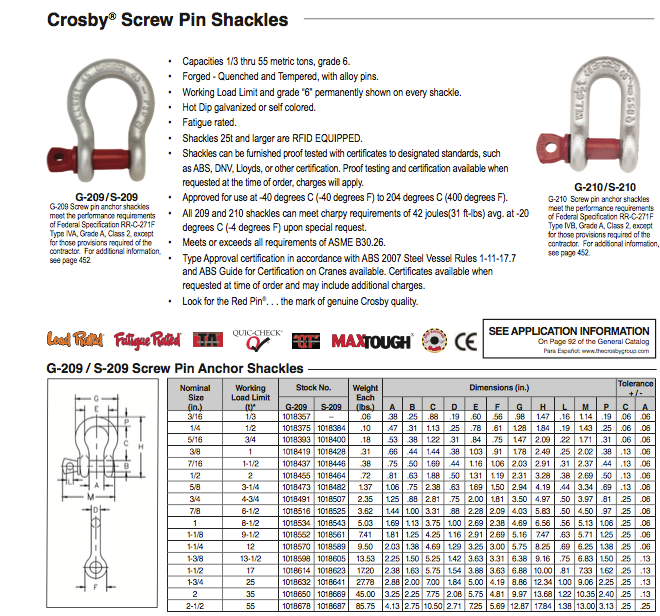
Crosby® G-209 Screw Pin Anchor Shackles
Quick View
Crosby® G-209 Screw Pin Anchor Shackles
- Price
- From $15.00

- Choosing a selection results in a full page refresh.