



-
MENU









A Guide to Towing Tie-Down Systems & Kits
A Guide to Towing Tie-Down Systems & Kits
Securing a vehicle or heavy equipment for transport is a serious responsibility. The last thing you want is for your cargo to shift, or worse, break free during transit. Use the wrong straps, hooks, or techniques and you risk damage, citations, or worse. A reliable towing tie-down system is essential for safety. This guide will walk you through the different styles of tie-down systems, the materials they're made from, and why buying a complete kit is often the smartest choice.
Why the right tie-down system matters
- Ensure the safety of your cargo and other drivers on the road.
- Prevent costly damage to your vehicle's frame, wheels, or bodywork.
- Protect yourself from legal liability in case of an accident.
- Guarantee all components work together with a consistent load rating.
- Streamline your loading process with a system designed for your specific vehicle.
- Minimize shifting and bouncing during transit, reducing wear on your cargo.

Webbing Materials available at Baremotion
The vast majority of tie-down straps are made from industrial-grade polyester. This material is chosen for its specific properties that make it perfect for cargo control.
At Baremotion we offer 2 styles: Standard webbing & Diamond Weave webbing which is manufactured to be strong, durable, and abrasion resistant. These straps are available in several colors including standard yellow & High Visibility Tie-down straps.
- Low Stretch: Polyester has very little stretch compared to other materials like nylon. This is crucial because you don't want your straps to elongate during transit, which would cause the vehicle to become loose.
- Durability: It is highly resistant to abrasion, UV radiation, and water. This means your straps will last longer, even when exposed to harsh weather conditions.
- Strength: Polyester webbing provides a very high strength-to-weight ratio, allowing a 2-inch strap to handle thousands of pounds.
Always check the strap for its Working Load Limit (WLL). This is the maximum weight the strap is certified to handle safely. The combined WLL of all your straps should be at least 50% of the weight of the cargo you are securing.
How to pick the right kit
With a clear understanding of the systems, how do you pick the right one? Consider these factors.
-
Load & vehicle type — What are you hauling? A 3,000-pound sedan has different requirements than a 10,000-pound tractor. Ensure the kit's total WLL is sufficient for your load. eg: Passenger car vs. commercial truck vs. equipment (use 8-point for most cars).
-
Working Load Limit (WLL) & Break Strength — match or exceed what you’ll haul; check strap width (2" vs 4") and rated numbers.
-
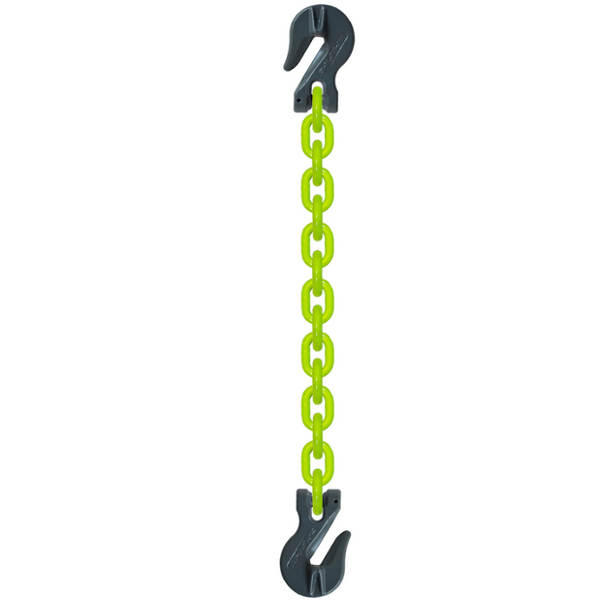
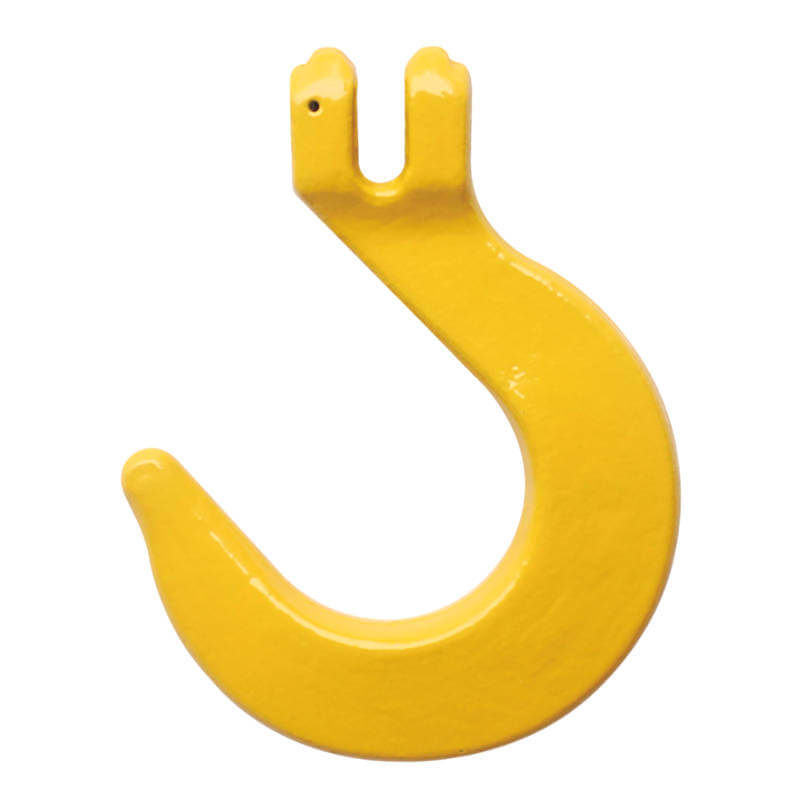
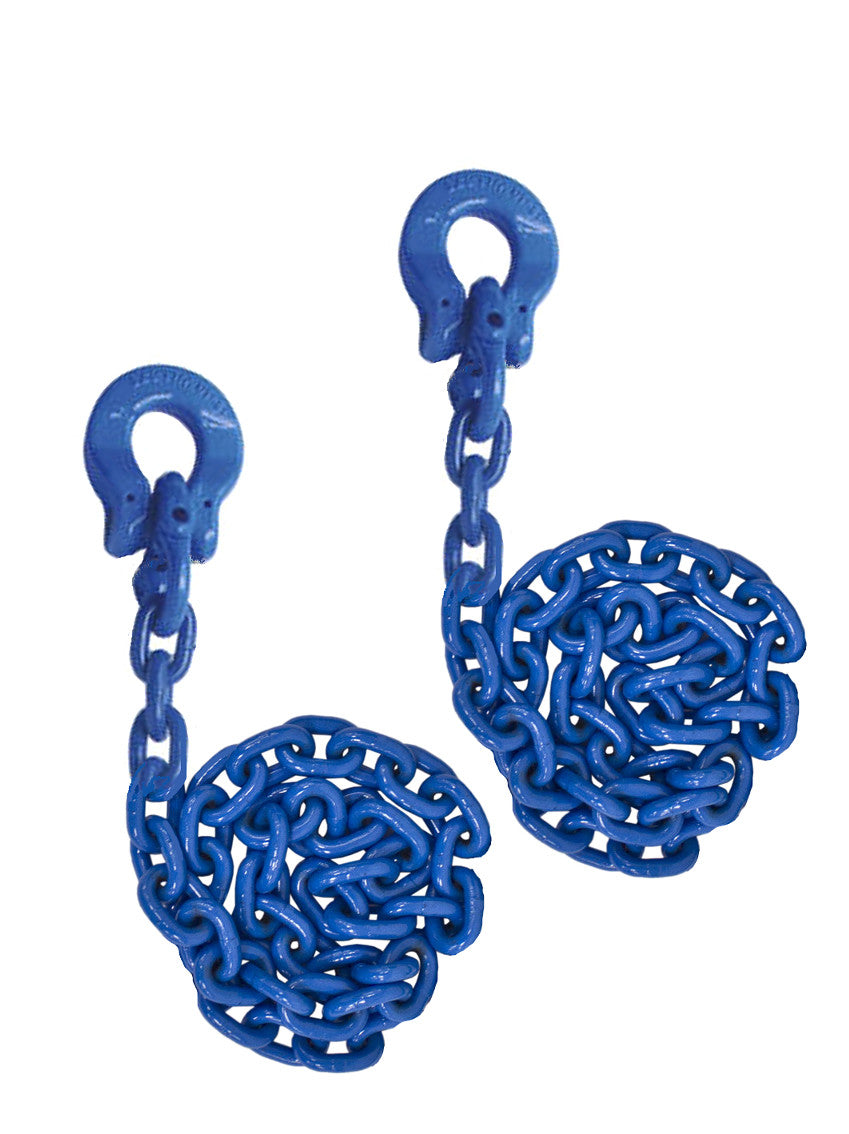
End fittings — What kind of anchor points do you have? Do you have D-rings, E-Track, or other? Choose a kit with hooks that are compatible with your trailer or tow truck setup. Twisted snap hooks, flat hooks, lasso straps, or chain ends: pick what corresponds with your deck anchor points.
-
Strap length — standard is 14' (smaller tires/decks) or 18' (bigger tires/longer decks).
-
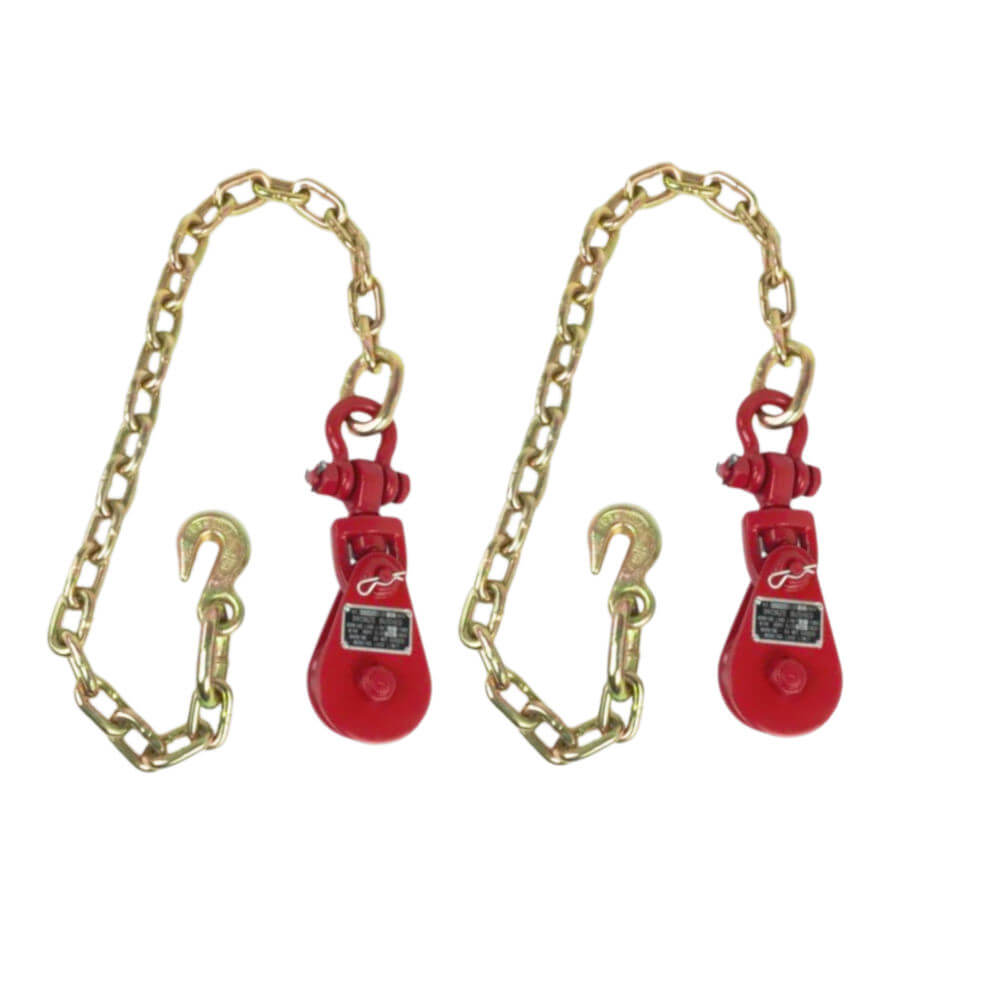
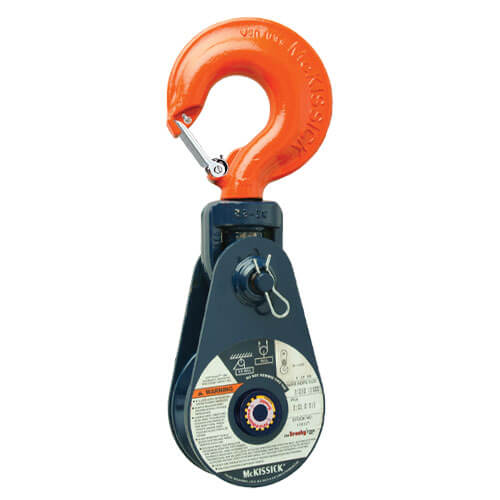
Extras — snatch block, skates, wheel chocks, storage bag — convenient and often included in rollback kits.
Popular Tie-down Kits:
8-Point Tie Down System
This system is designed for beds with four points and keeps the towed vehicle from shifting forward, backward, or side to side. Securing the vehicle by its wheels allows it to rely on its own suspension while in transit.
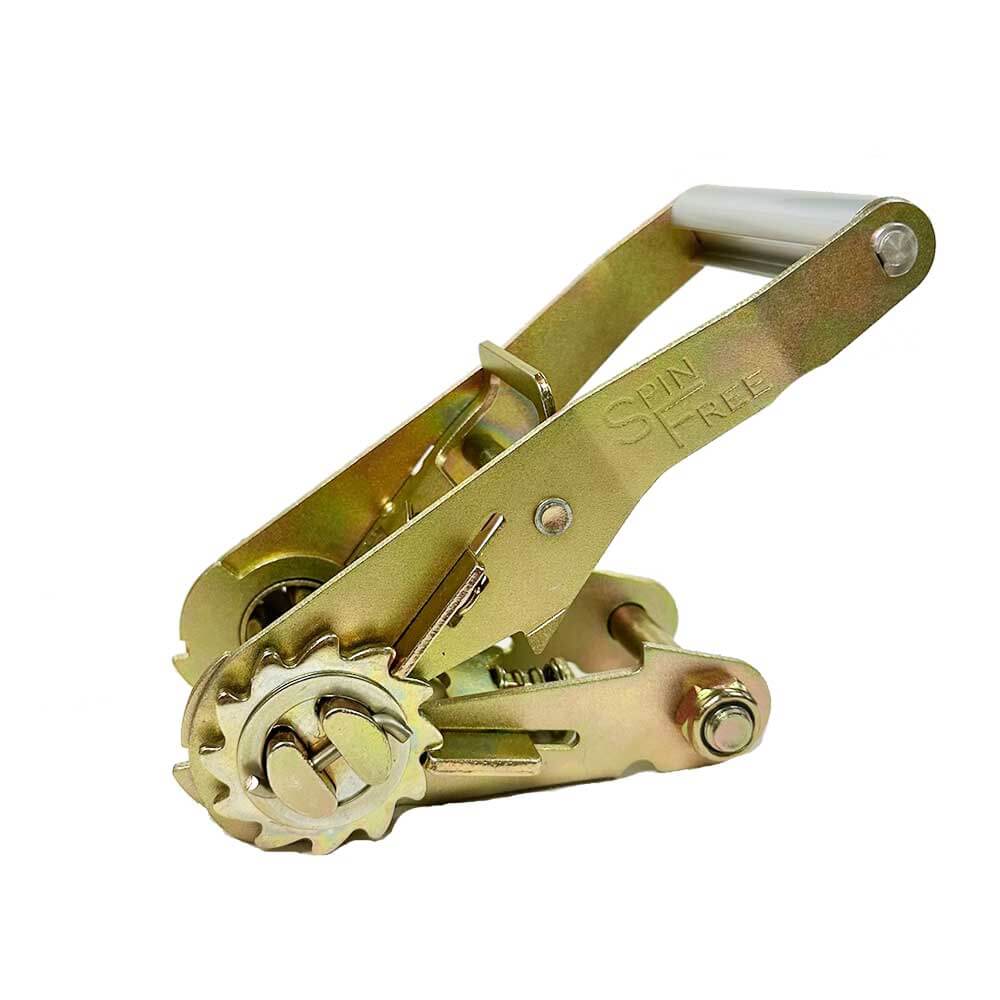
The most popular 8-point kit usually contain 4 tie down straps with chain ends, 4 ratchet buckles with chain ends, and 4 short eye eye straps. Check our our blog on kits

4-Point Wheel Lift Tie Down Kits
This tie-down system is extremely popular for tow trucks and car carriers. It consists of four points of attachment, typically located at the corners of the bed of the truck. The kit comes with 4 straps & 4 ratchet buckles. The end fittings for the straps & ratchets differ depending on your anchor point needs.

Rollback Kits
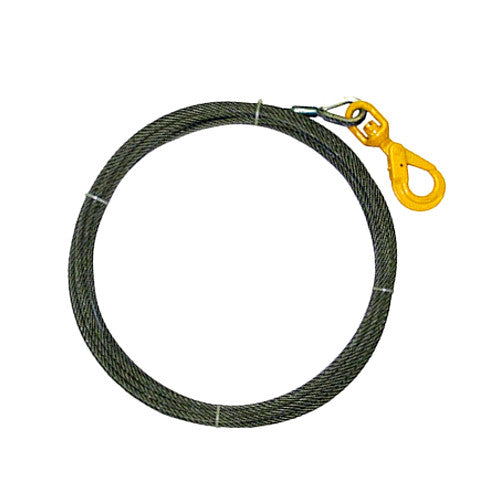
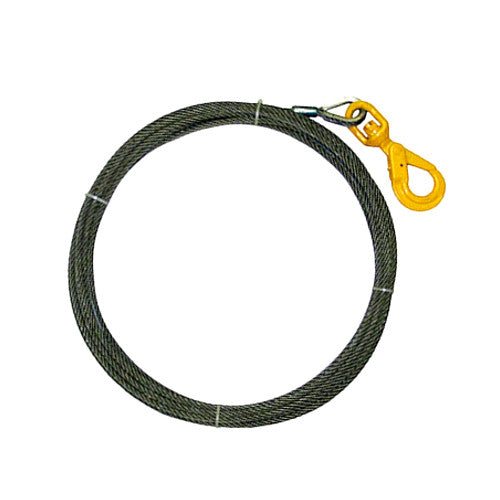
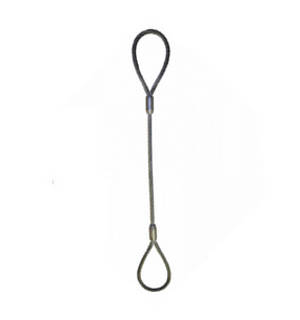
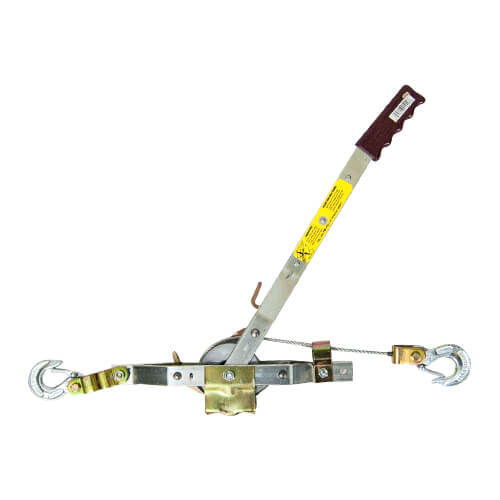
Rollback kits "all in one" are made up of a variety of straps, chains, winch cables, snatch blocks, and ratchets. Each kit contains a combination of products that match together.

The Advantages of Buying a Complete Kit
While you can purchase straps, ratchets, and axle straps individually, buying a towing tie-down kit offers several significant benefits, especially for those new to hauling.
1. Guaranteed Compatibility
A kit ensures that all components are designed to work together. The hooks will match the D-rings, the straps are the right length for the application, and everything shares a consistent Working Load Limit (WLL). This removes the dangerous guesswork of mixing and matching components that might not be compatible or rated for the same load.
2. Cost-Effectiveness
In most cases, purchasing a complete kit is more affordable than buying each component separately. Manufacturers can bundle items and pass the savings on to you. You get everything you need in one purchase, often at a discounted price compared to an à la carte approach.
3. Convenience and Storage
Towing tie-down kits usually come with a storage bag. This is more than just a convenience; it helps you keep your gear organized, clean, and protected from the elements. When you arrive at your destination, you can pack everything away neatly, ensuring you don't lose a crucial part before your next trip.
4. Everything You Need in One Box
A good kit is curated for a specific purpose. For example, a car hauler kit will typically include four lasso or over-the-wheel straps with ratchets. A kit for securing a motorcycle might include four shorter straps with soft loops to protect handlebars and a set of ratchets. This "all-in-one" solution means you won't find yourself short a strap on loading day.
Final tips
Properly tying down a vehicle is a non-negotiable part of safe towing. A high-quality towing tie-down kit provides the reliable, matched components you need to get the job done right. Match the kit to the job — heavy equipment requires heavier hardware. Also inspect your gear!
- Choosing a selection results in a full page refresh.