



-
MENU









The Ultimate Guide to Tow Strap Care: Extend Lifespan & Ensure Safe Recovery
Tow straps are essential recovery tools for off-road recovery, roadside emergencies, and professional towing setups. Whether you’re pulling a stuck vehicle out of mud or assisting a stranded driver, your tow strap needs to perform reliably under high stress. Proper maintenance and care not only extend the life of your straps but also ensure safety during every use.
Here’s everything you need to know to keep your tow straps in top condition.

Why Tow Strap Maintenance Matters
Tow straps are subjected to extreme tension during vehicle recovery, environmental exposure, and repeated wear. Over time, dirt, moisture, UV rays, and improper handling can weaken the fibers. A damaged strap can snap under load, posing serious safety risks.
Regular inspection and maintenance help you:
- Prevent accidents and injuries
- Extend the lifespan of your equipment
- Maintain optimal performance under load
1. Inspect Your Tow Straps Regularly
Before and after every use, take a few minutes to examine your strap carefully.
Look for:
- Loose fibers
- Cuts, tears, or punctures
- Burn marks from friction or heat
- Mold or mildew
- Damaged stitching or loops
If you notice significant wear or structural damage, it’s best to retire the strap immediately. Never risk using compromised equipment.
2. Clean After Every Use
Dirt, sand, and debris can work their way into the fibers and cause internal abrasion over time.
How to clean your tow strap:
- Shake off loose dirt and debris
- Rinse with clean water
- Use mild soap if needed (avoid harsh chemicals)
- Gently scrub with a soft brush
- Rinse thoroughly
Avoid using bleach or strong detergents, as they can weaken the synthetic fibers.

3. Important - Dry Properly Before Storage
Moisture is one of the biggest enemies of tow straps. Storing them wet can lead to mold, mildew, and fiber degradation.
- Hang the strap in a well-ventilated area
- Avoid direct sunlight for prolonged periods
- Ensure it is completely dry before storing
Proper drying preserves the strength and integrity of the material.
4. Store in a Clean, Dry Environment
Where you store your tow strap matters just as much as how you use it.
Best practices:
- Keep straps in a sealed storage bag or container
- Store in a cool, dry place
- Avoid exposure to direct sunlight (UV damage)
- Keep away from chemicals, oils, and sharp objects
A dedicated storage bag also helps keep your vehicle organized and your gear ready to use.
5. Protect Against Sharp Edges
Sharp edges can quickly cut or weaken a tow strap under tension.
- Use protective sleeves if available
- Avoid routing straps over sharp metal edges
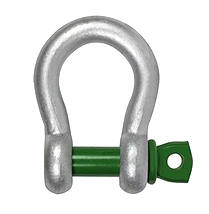
- Use shackles or soft shackles for safer connections
Taking a few extra seconds to position your strap correctly can prevent costly damage.

6. Retire Straps When Necessary
Even with proper care, tow straps don’t last forever. If a strap shows signs of serious wear or has been involved in a high-stress recovery, it’s safer to replace it.
When in doubt, replace it. Your safety is worth far more than the cost of a new strap.
Final Thoughts
Tow straps are simple tools, but they play a critical role in recovery situations. Proper care, regular inspections, and correct usage ensure that your gear is always ready when you need it most.
By following these maintenance tips, you’ll not only extend the life of your tow straps but also ensure safer, more reliable recoveries every time.
Tow Straps
Bubba Rope Black Op Tow Straps | Recovery Straps in Multiple Sizes


Quick View


Bubba Rope Black Op Tow Straps | Recovery Straps in Multiple Sizes
- Price
- From $85.00
Bubba Rope 3" x 20' Black Op Tow Strap


Quick View


Bubba Rope 3" x 20' Black Op Tow Strap
- Price
- $99.00
Bubba Rope 1-1/8" x 20' Mega Tow Line Rope


Quick View


Bubba Rope 1-1/8" x 20' Mega Tow Line Rope
- Price
- $1,200.00
Bubba Rope 1-1/8" x 30' Mega Tow Line Rope
Quick View
Bubba Rope 1-1/8" x 30' Mega Tow Line Rope
- Price
- $1,600.00
Bubba Rope 1-1/2" x 20' Mega Tow Line Rope


Quick View


Bubba Rope 1-1/2" x 20' Mega Tow Line Rope
- Price
- $2,500.00
Bubba Rope 1-1/2" x 30' Mega Tow Line Rope
Quick View
Bubba Rope 1-1/2" x 30' Mega Tow Line Rope
- Price
- $3,100.00
Recovery Rope


Bubba Rope Renegade 3/4" x 20' Off-Road Recovery Rope


Quick View


Bubba Rope Renegade 3/4" x 20' Off-Road Recovery Rope
- Price
- $165.00
Bubba Rope Renegade 3/4" x 30' Off-Road Recovery Rope


Quick View


Bubba Rope Renegade 3/4" x 30' Off-Road Recovery Rope
- Price
- $195.00
Bubba Rope 7/8" x 20' Off-Road Recovery Rope


Quick View


Bubba Rope 7/8" x 20' Off-Road Recovery Rope
- Price
- $199.00
Bubba Rope 7/8" x 30' Off-Road Recovery Rope

Quick View

Bubba Rope 7/8" x 30' Off-Road Recovery Rope
- Price
- $235.00
Bubba Rope 1-1/4" Recovery Rope | Heavy-Duty Kinetic Tow Rope


Quick View


Bubba Rope 1-1/4" Recovery Rope | Heavy-Duty Kinetic Tow Rope
- Price
- From $375.00
1-1/2" Recovery Rope Jumbo Kinetic Tow Rope | Bubba Rope


Quick View


1-1/2" Recovery Rope Jumbo Kinetic Tow Rope | Bubba Rope
- Price
- From $499.00
- Choosing a selection results in a full page refresh.