



-
MENU









The Ultimate Guide to Choosing Wrecker Accessories for Towing and Recovery
Choosing the right accessories for your wrecker is essential for running a safe, efficient, and professional towing operation. The right gear doesn't just make your job easier—it helps you handle more situations, reduce risk, and improve overall performance on the road. From heavy-duty straps and winch equipment to safety lighting and recovery equipment, every accessory plays a critical role in your operation's success.
Whether you’re operating a light-duty tow truck or a heavy-duty recovery vehicle, this guide will help you select the best accessories for your needs.
Understand Your Towing Needs
Before buying any equipment, consider the type of work you do most often:
- Light-duty towing: passenger vehicles, motorcycles
- Medium-duty towing: vans, small trucks
- Heavy-duty recovery: buses, semis, accident recovery
Your daily jobs should determine which accessories are essential. For example, a rollback operator will prioritize tie-down systems, while a recovery specialist will need advanced lifting and rigging gear.

Essential Wrecker Accessories
Every tow truck should be equipped with core tools to handle common jobs safely and efficiently:
Securing Equipment
Light-Duty Tow Trucks (cars, motorcycles, small vans)
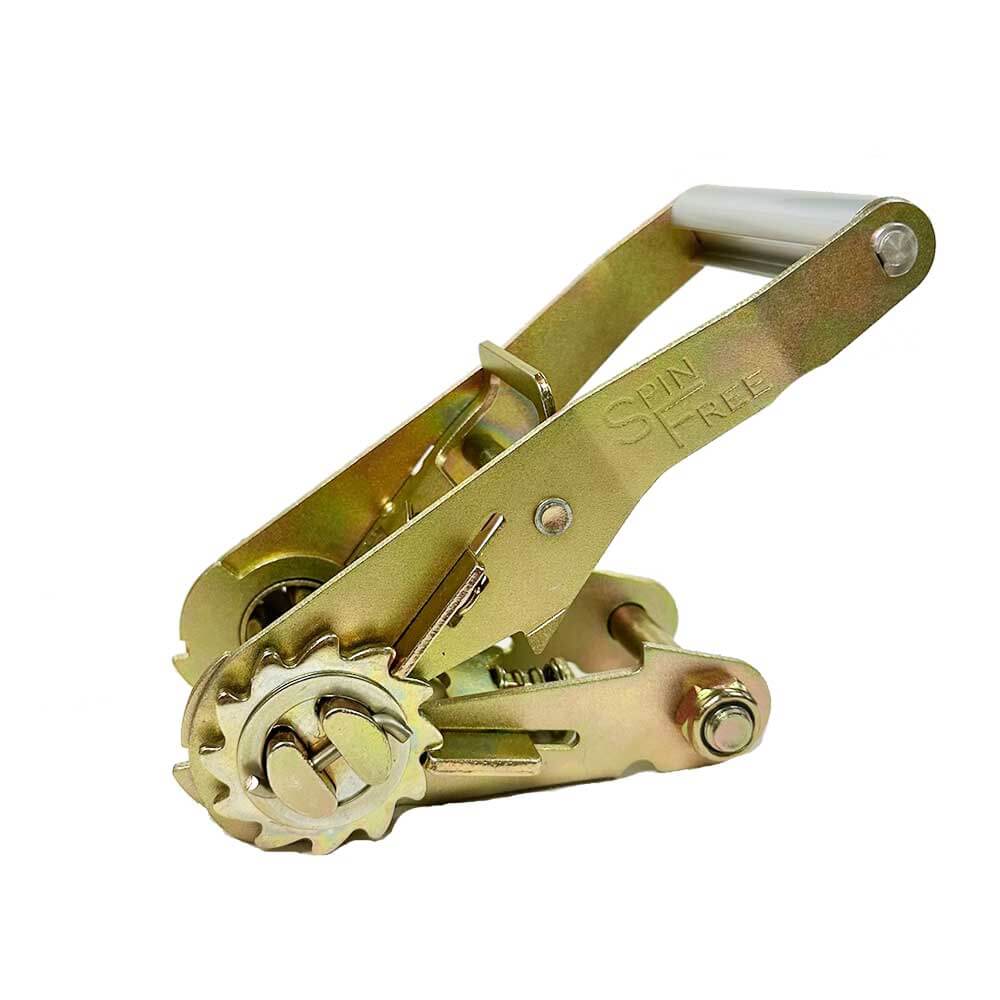
- Tie-down straps and ratchets - Wheel Lift Straps, 8-point tie down kits, ratchet straps.
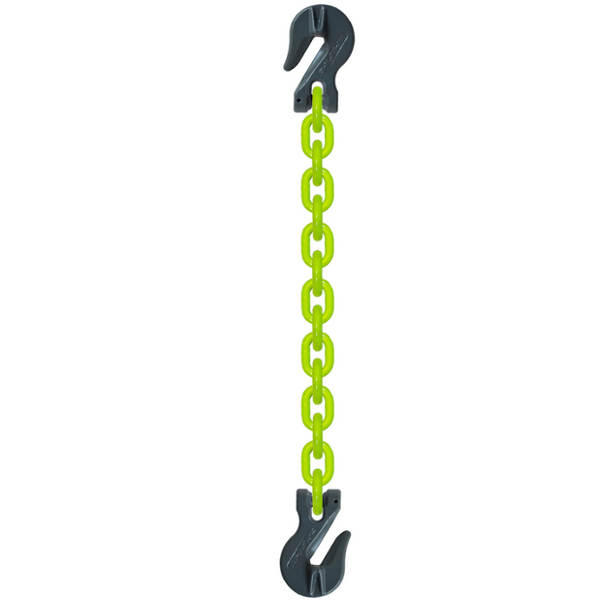
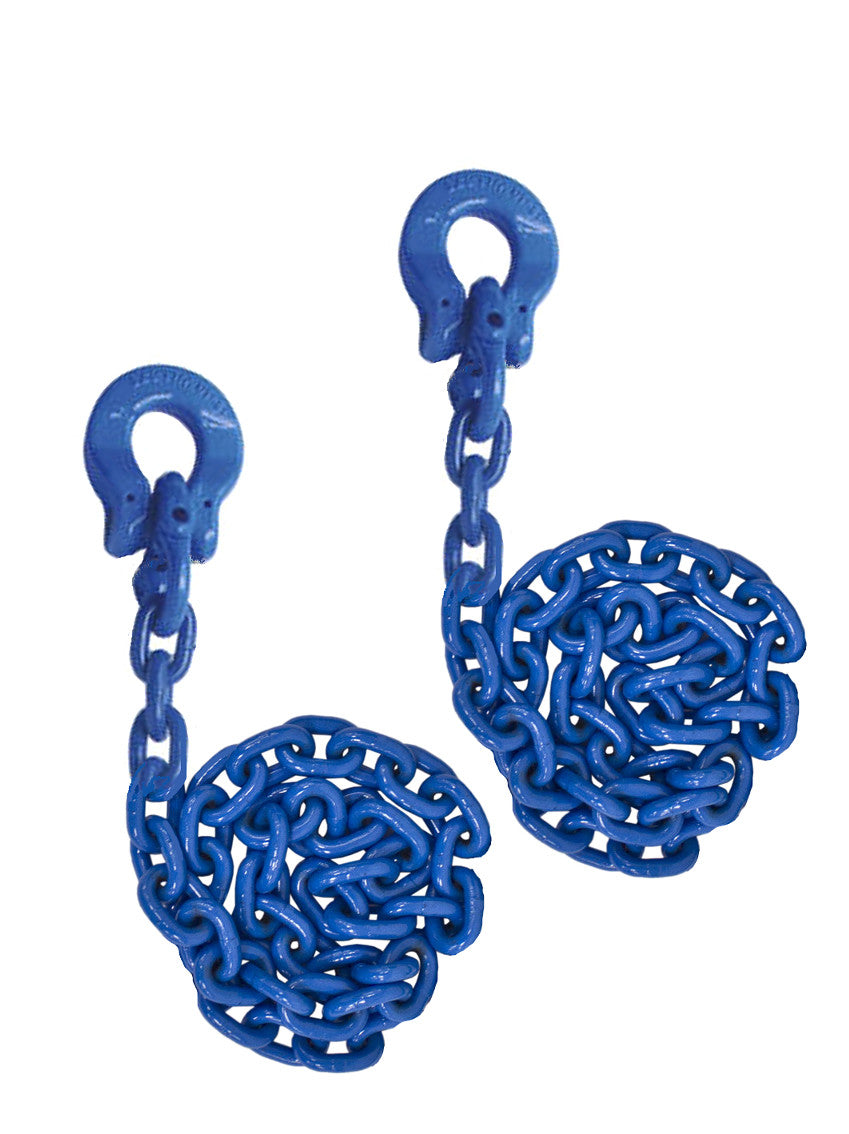
- Safety chains - Usually Grade 70 chains with J-Hooks or sling hooks
- Axle straps

Recovery Gear
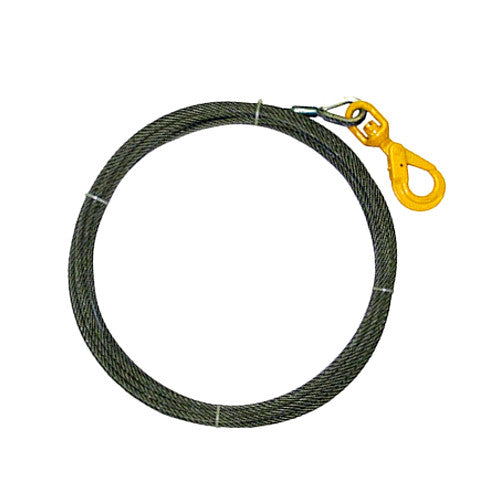
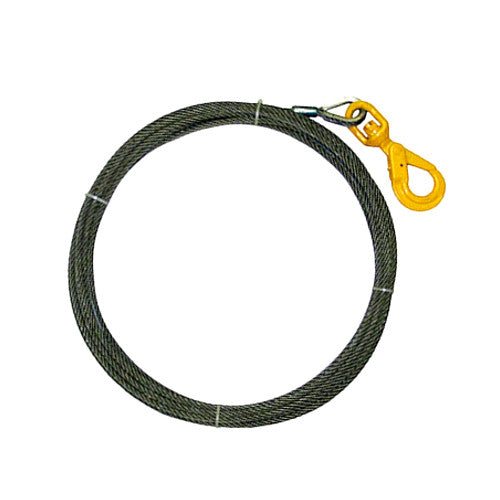
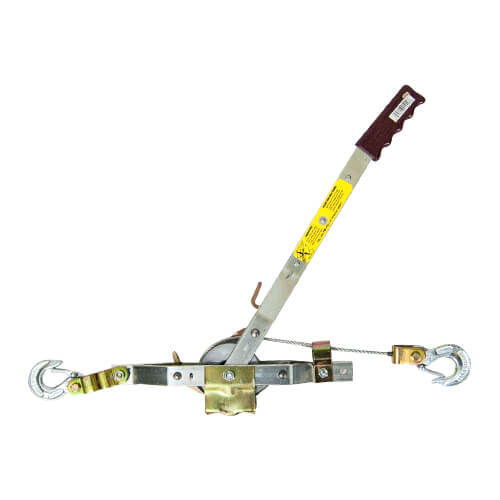
- Winch cables or synthetic rope
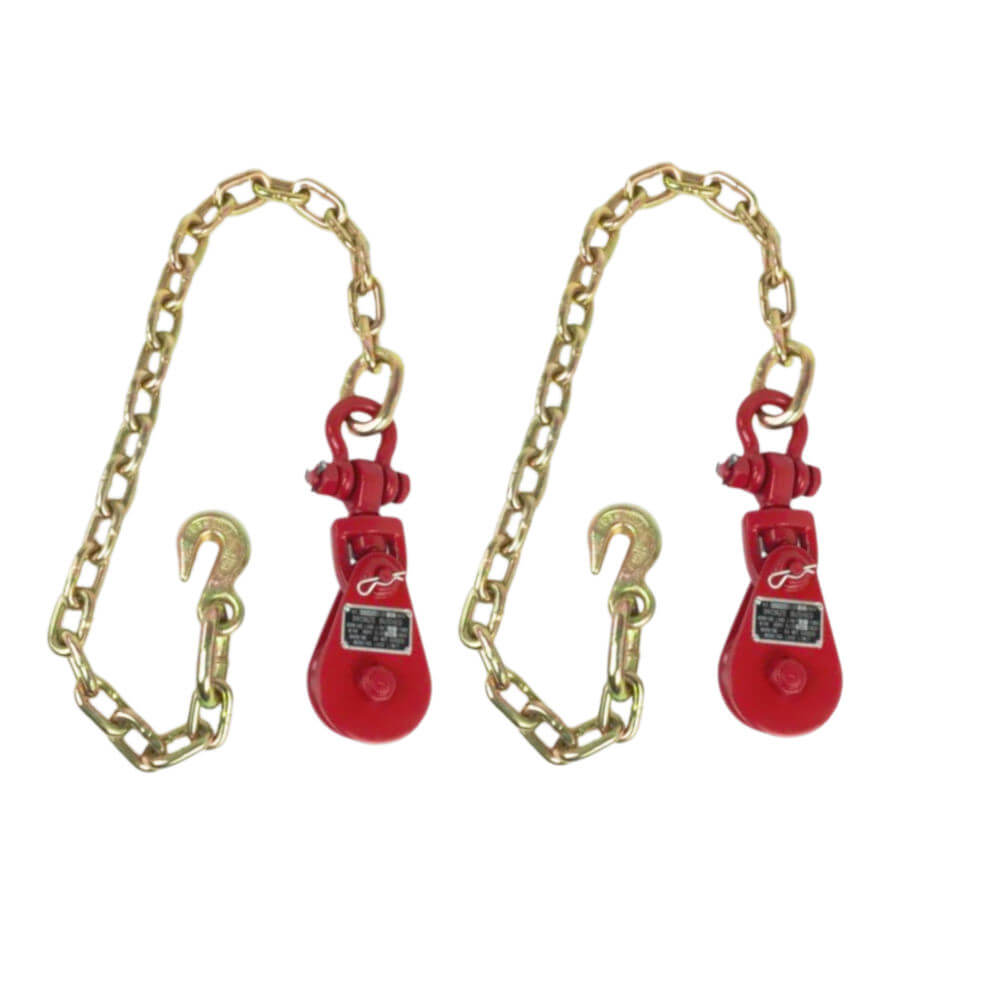
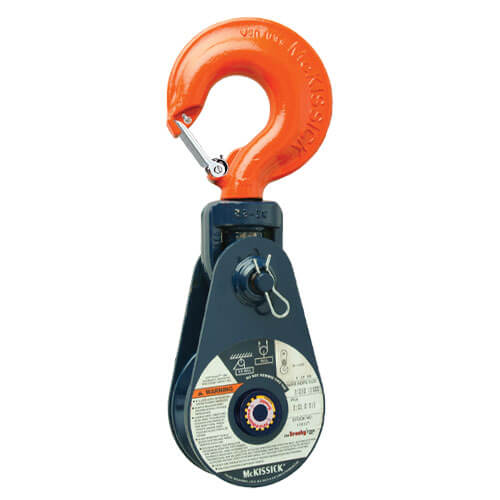
- Snatch blocks
- Recovery straps and slings - Round endless loop slings, tow straps.
Heavy- Duty Recovery Gear
Heavy-Duty Wreckers (trucks, buses, semis, accident recovery):
- Lifting Equipment - Grade 100 chains, Recovery Straps, Round Slings.
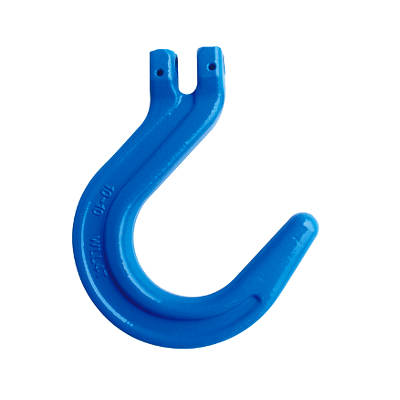
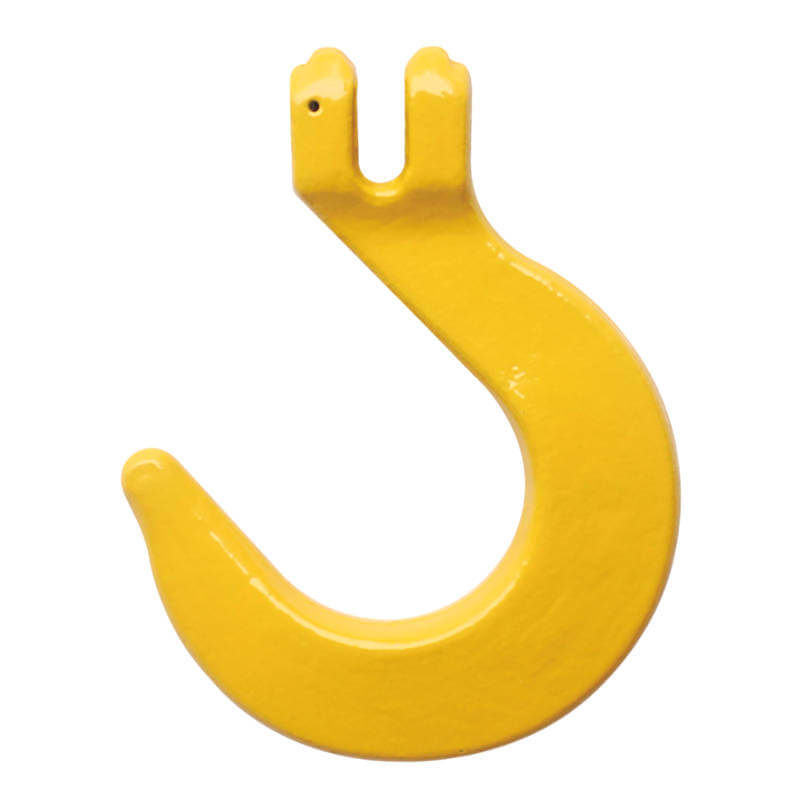
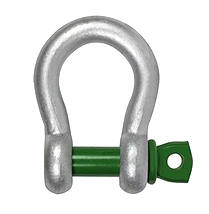
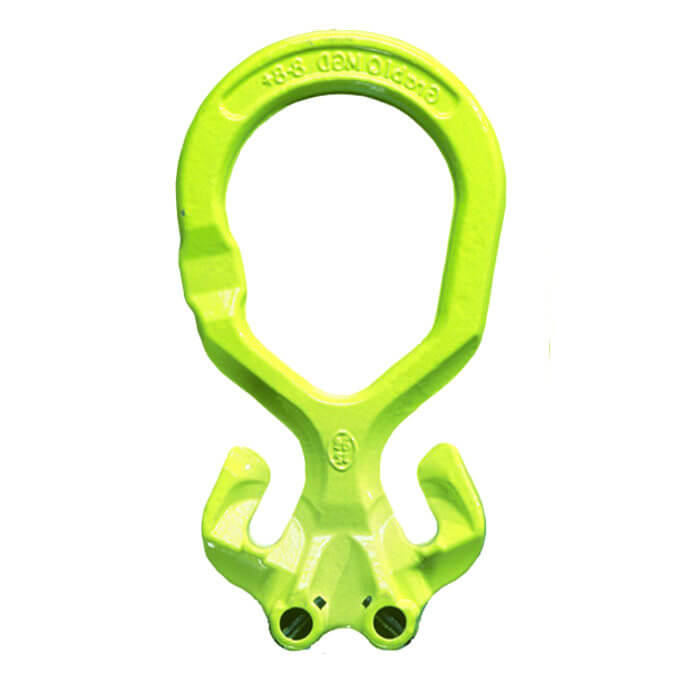
- Rigging Equipment - Shackles, Hooks, Connecting Links, Snatch Blocks
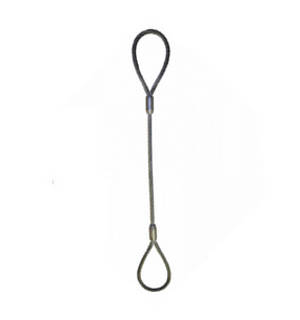
- Heavy Wire Rope or Synthetic Rope

Safety & Visibility
- Warning triangles
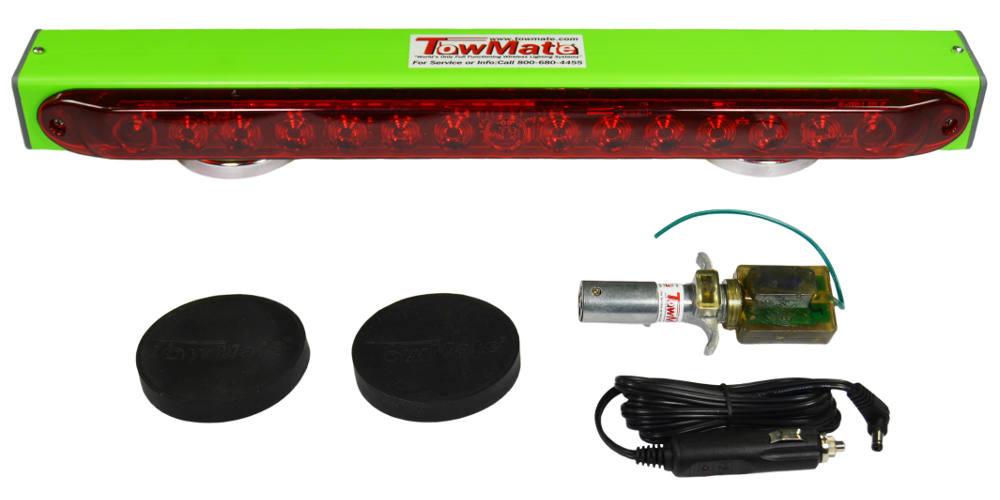
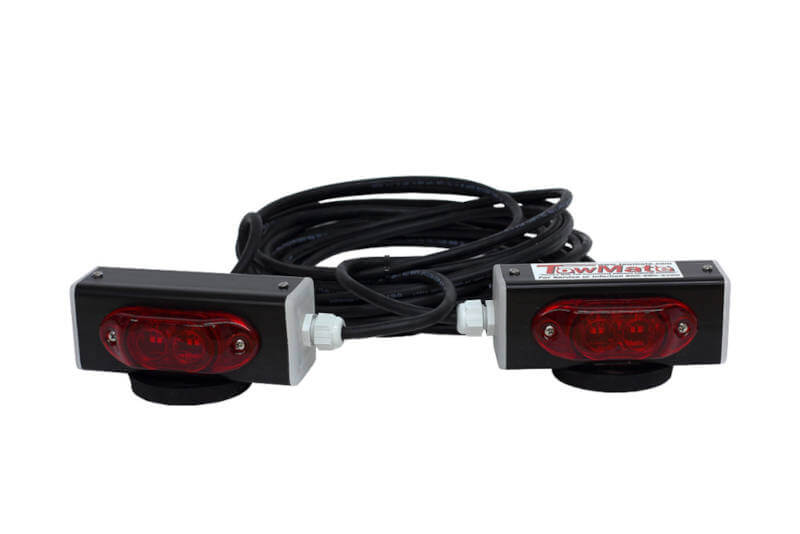
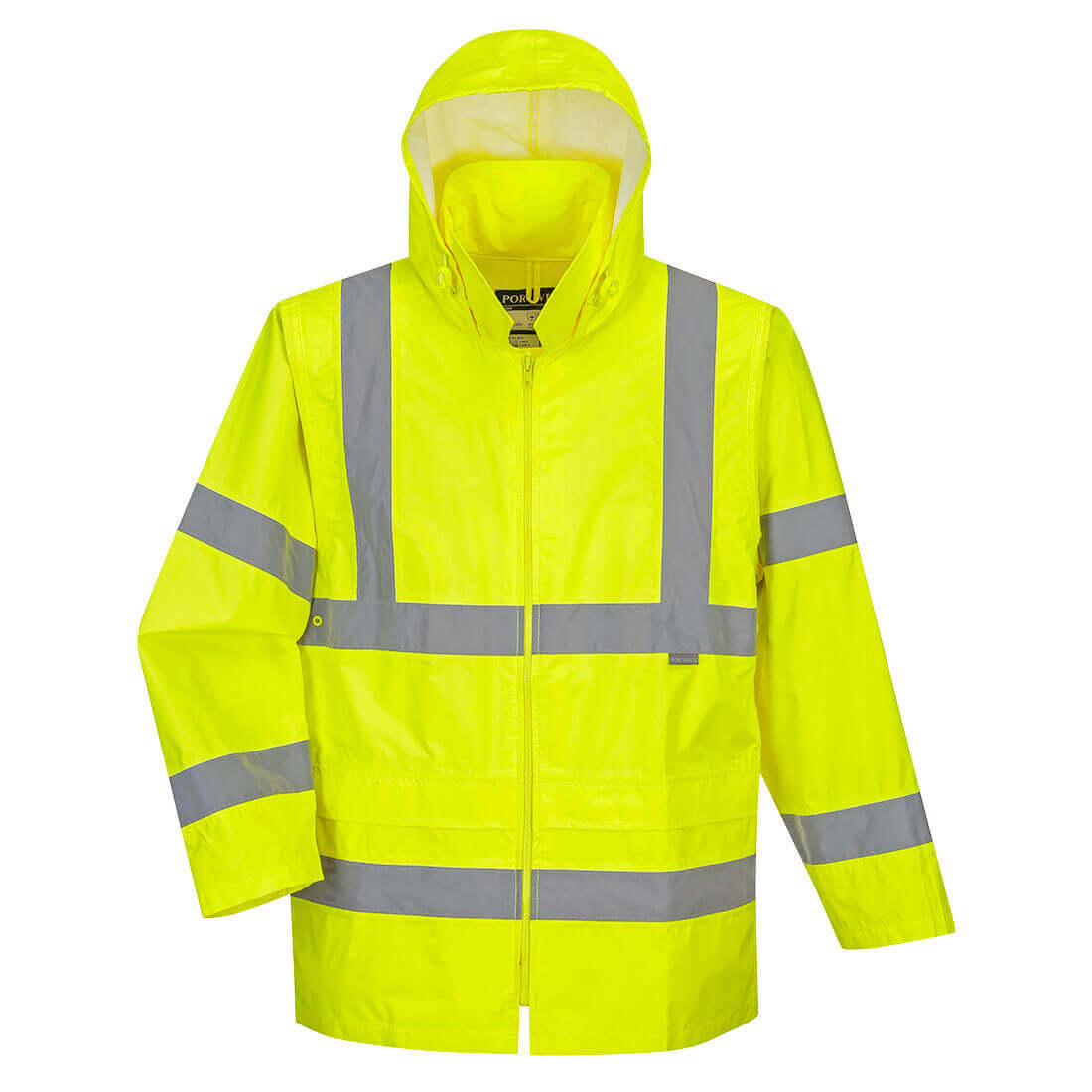
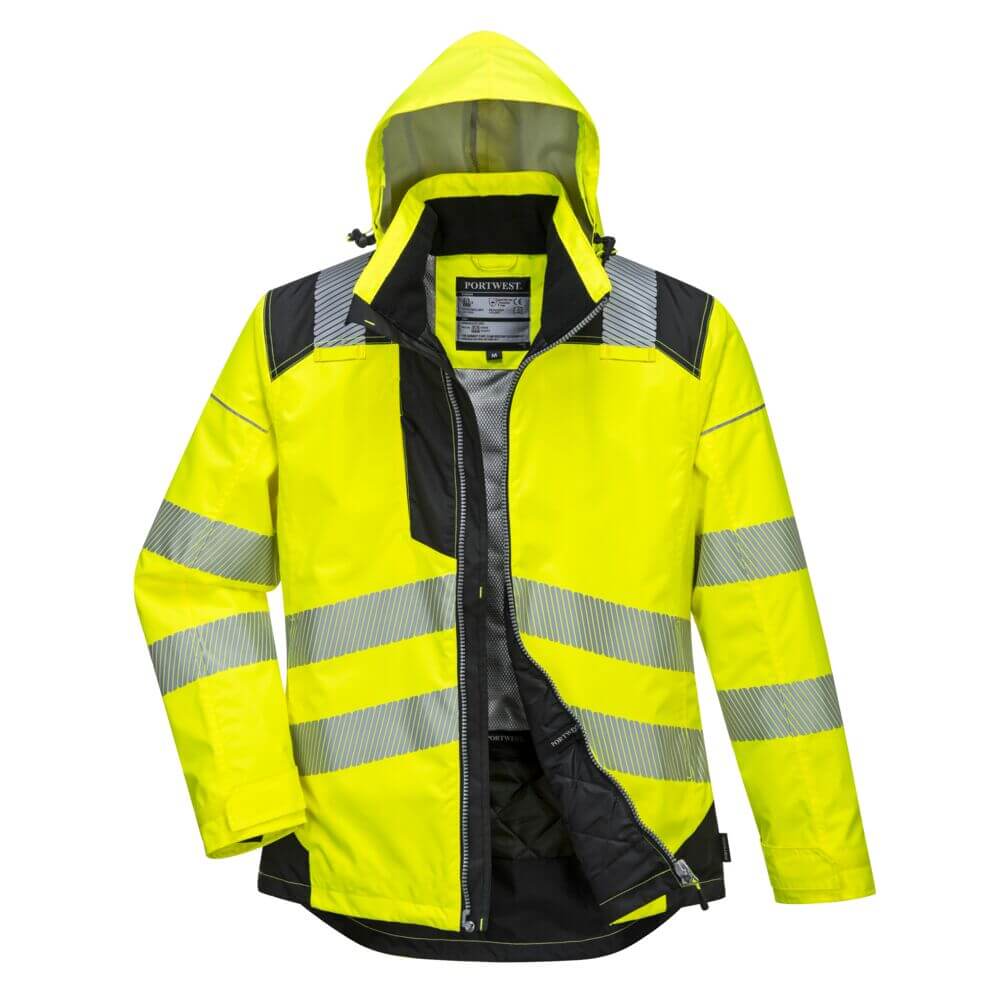
- Tow lights (magnetic or wireless)
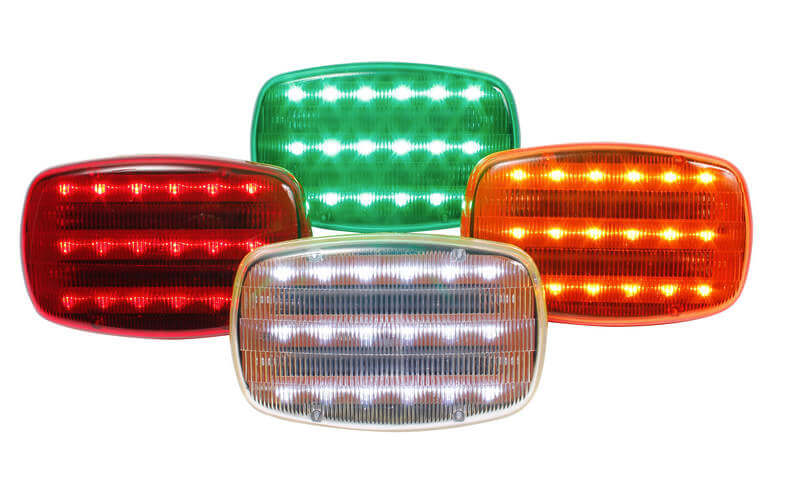
- Work lights or light bars
Professional operators prepare for scenarios, not just checklists. This means anticipating unexpected challenges, such as damaged vehicles, difficult terrain, or limited access points, and having the right tools ready to respond quickly. By thinking ahead and building a versatile setup, you can reduce downtime, improve safety, and handle a wider range of towing and recovery situations with confidence.
Check Load Ratings and Strength
One of the most critical factors when choosing accessories is load capacity.
Always:
- Verify the Working Load Limit (WLL)
- Match gear to your truck’s capacity and vehicle weight
- Avoid under-rated or uncertified equipment
Using the wrong gear can lead to equipment failure and serious safety risks.
Ensure Compatibility with Your Wrecker
Not all accessories fit every truck. Make sure your equipment is compatible with:
- Your winch and mounting points
- Boom and underlift configuration
- Hook types and attachment systems
- Electrical connections (for lighting and controls)
A properly matched setup ensures smoother operation and fewer issues on the job.

Tips
- Start with essential gear and expand as needed
- Invest in quality over cheaper alternatives
- Keep backup equipment on hand
- Inspect your gear regularly for wear and damage
Final Thoughts
Choosing the right wrecker accessories comes down to understanding your work, prioritizing safety, and building a setup that supports real-world towing scenarios. With the right combination of tools, you’ll be better equipped to handle any job efficiently and professionally.
Frequently Asked Questions
How do I choose the right towing accessories for my truck?
Start by identifying your main type of work (light, medium, or heavy-duty towing). Then select accessories that match your truck’s capacity and are rated for the loads you typically handle.
Do I need different accessories for light-duty vs heavy-duty towing?
Yes. Light-duty towing typically uses straps and basic tie-downs, while heavy-duty towing requires stronger chains, advanced rigging gear, and higher-capacity recovery equipment.
Can towing accessories damage the vehicle?
Improperly used chains or straps can scratch or dent a vehicle. Using padded or flexible slings reduces the risk of damage.
How often should I replace chains or slings?
Replace chains or slings if you see fraying, rust, broken links, or any signs of wear that could compromise safety, even if they’re relatively new.
How often should towing equipment be inspected?
Towing equipment should be inspected regularly—ideally before each job. Look for signs of wear such as fraying, cracks, rust, or deformation, and replace damaged gear immediately.
Truck Photography: Paul's Repair Service
📸 Instagram: @super_h_i_r_o
🌐 Website: https://www.paulsrepairservice.net
Specialized Towing Services & Automotive Repair
Serving Pahoa area Hawaii

- Choosing a selection results in a full page refresh.