



-
MENU











The Importance of Proper Load Restraint in Trucking
Ensuring safety and efficiency in the trucking industry often boils down to one critical factor—proper load restraint.
For trucking professionals, the ability to securely transport goods is pivotal. With the right practices and equipment, truckers can prevent potentially costly mishaps, protect their reputation, and safeguard public safety.
This blog explores the importance of load restraint in trucking, the risks of neglecting it, and practical ways to ensure your loads are properly secured.

Types of Trucks That Use Load Securement
Flatbed trucks are among the most reliant on proper load restraint, given their open platforms that leave cargo exposed to the elements and potential shifting.
Lowbed trucks & heavy haulers are specifically designed to transport oversized or exceptionally heavy loads such as construction equipment, industrial machinery, or prefabricated structures. These vehicles feature unique design elements like low-profile decks and high weight capacity to accommodate such demanding cargo. Despite their robust construction, proper securement is critical to ensure that these massive loads remain stable and do not shift during transit.
Box trucks, although enclosed, still require securement to prevent cargo from moving around inside the container during transit.

Why Load Restraint is Non-Negotiable
1. Safety Comes First
The weight and balance of a load directly impact a vehicle's stability and handling. Unsecured loads can shift during transit, leading to vehicle rollovers or losing goods on the road. These incidents put everyone—drivers, other road users, and pedestrians—at serious risk.
Debris on highways, often from unsecured loads, leads to thousands of crashes annually across the U.S. Proper restraint can prevent these accidents and save lives.
2. Legal Compliance
Failing to secure a load isn’t just a safety issue—it’s a legal one. Most States and countries have clear regulations regarding load restraint. For instance:
- The U.S. Federal Motor Carrier Safety Administration (FMCSA) mandates that cargo must be firmly secured to prevent shifting or spilling.
- Offenders often face heavy fines, license suspensions, or other penalties.
Regulatory compliance is not optional. Trucking companies and independent operators alike must invest in fulfilling their legal obligations to avoid costly repercussions.
3. Protecting Your Assets
Improper load restraint can lead to significant financial losses. Damaged goods can cost companies contracts, decrease customer satisfaction, or jeopardize long-term relationships with clients. Investing upfront in reliable load restraint solutions pays off by protecting your assets in transit.

Risks of Ignoring Load Restraint
1. Accidents Leading to Injury or Fatality
Road accidents caused by unsecured cargo can damage more than just goods. They can result in severe injury or death. For instance, sudden stops or sharp turns are much riskier when cargo isn’t properly restrained. Once the load shifts, the driver's control of the vehicle diminishes significantly.
2. Hefty Fines and Legal Issues
Governments and regulatory bodies have strict guidelines in place because of the high risk associated with unstable loads. Ignoring these laws can lead to significant fines and liability lawsuits. Failure to meet standards not only costs money but also damages a company's reputation.
3. Operational Inefficiencies
Unsecured or improperly restrained loads are more likely to become damaged in transit, resulting in delays. Restraining equipment failure caused by negligence could mean stopping and delaying transportation entirely to resolve the issue. This drags down productivity and operational efficiency.
4. Damage to Vehicles
An unbalanced or improperly restrained load places undue stress on trucks. Over time, this can result in mechanical wear and tear, increasing maintenance costs. Replacing damaged trucks or components caused by load shift failures is both avoidable and expensive.

Practical Tips for Proper Load Restraint
To ensure load restraint is effective, taking these essential steps can make all the difference:
1. Invest in High-Quality Equipment
Securing loads is impossible without the right gear. Prioritize equipment built to meet industry standards, such as:
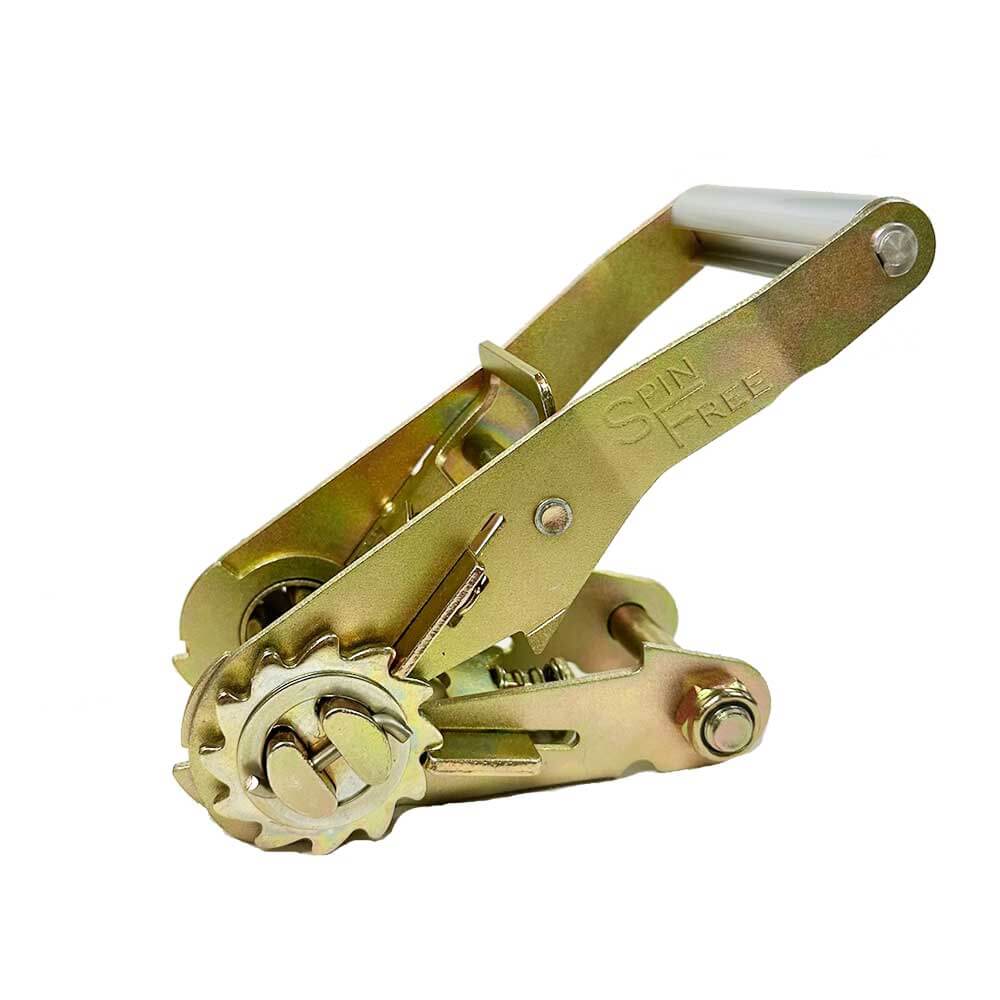
- Tie-Down Straps - Ratchet Straps, Winch Straps
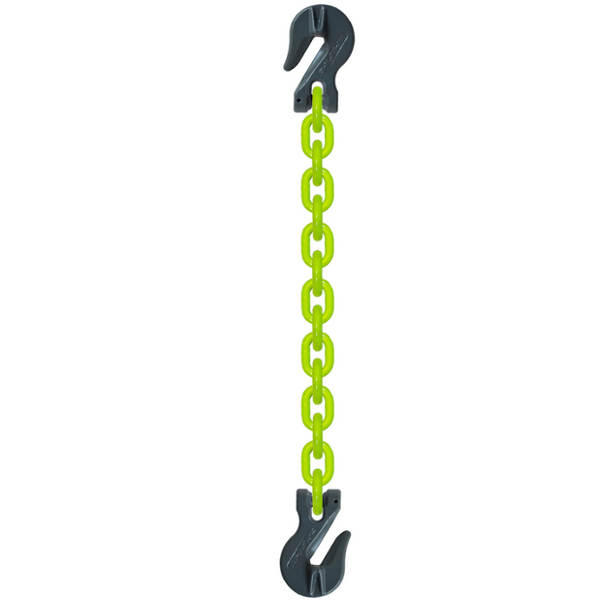
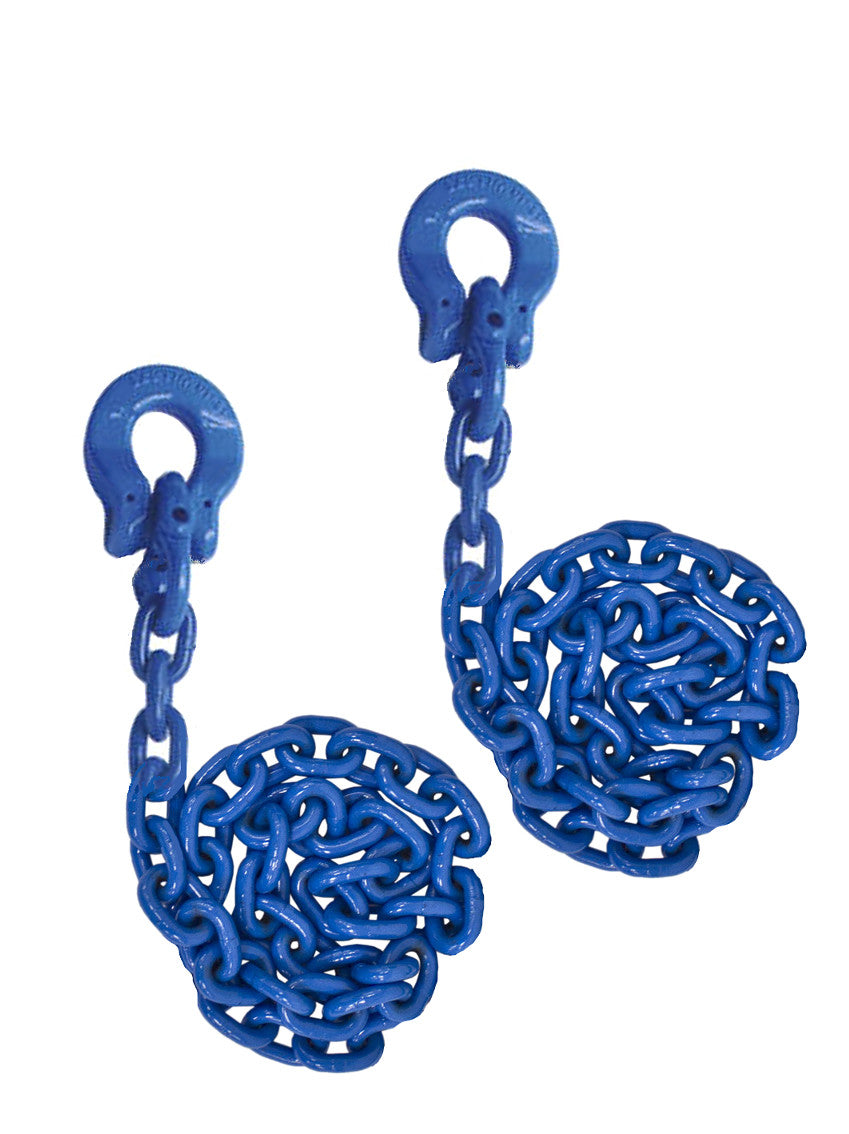
- Chains & Load Binders
- Safety Flags & Oversize Load Banners
2. Conduct Regular Inspections
Frequent inspections of both the vehicle and equipment ensure that everything is in optimal condition. Look for wear and tear, rust, fraying, or equipment nearing the end of its lifespan. Regular checks are crucial to preventing unexpected failures on the road.
3. Know Your Load Requirements
Different types of cargo require specific approaches to secure properly. For example:
- Loose cargo (e.g., logs or construction materials) often need straps and/or chains to keep items compact and tightly packed.
- Fragile cargo should be restrained using padded restraints or specialized anchoring systems.
4. Follow Industry Standards
Always adhere to established safety guidelines, such as those provided by local and national regulatory bodies. The FMCSA and other agencies often outline best practices to safeguard cargo and ensure obligations are met.
5. Employee Training
Proper load restraint begins with your team. Employees and drivers should be equipped with the knowledge and skills needed to secure any cargo safely and efficiently. Offering regular training sessions reinforces the importance of compliance, professionalism, and practicality in pursuit of safe hauling.

Final Thoughts
When it comes to trucking, the importance of proper load restraint cannot be overstated. It’s the key to enhancing safety, maintaining legal compliance, and protecting both goods and reputation. From avoiding accidents to saving money in repair and replacement costs, proper load restraint is a practice that benefits everyone involved.
Looking for Premium Load Restraint Products?
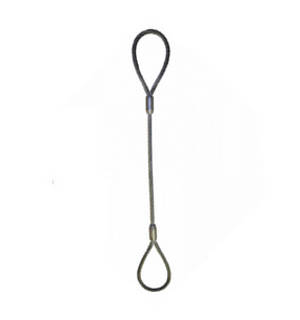
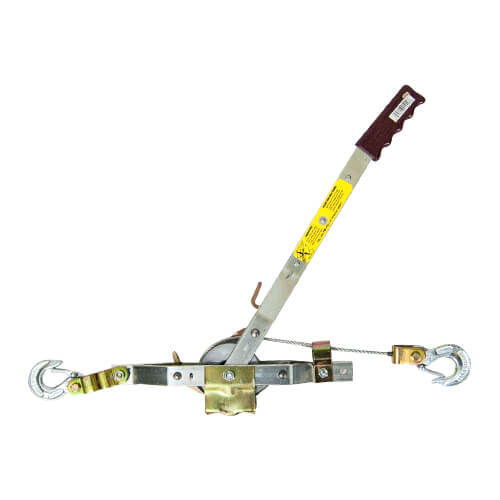
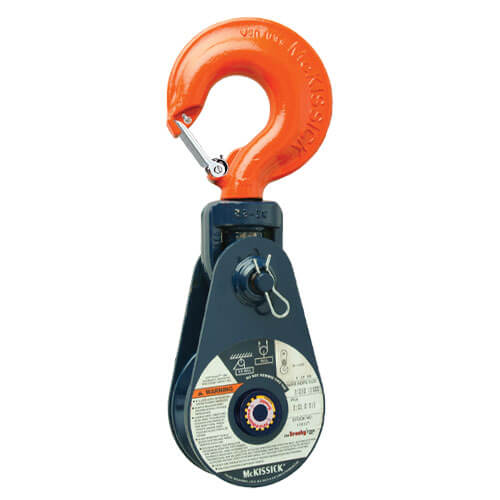
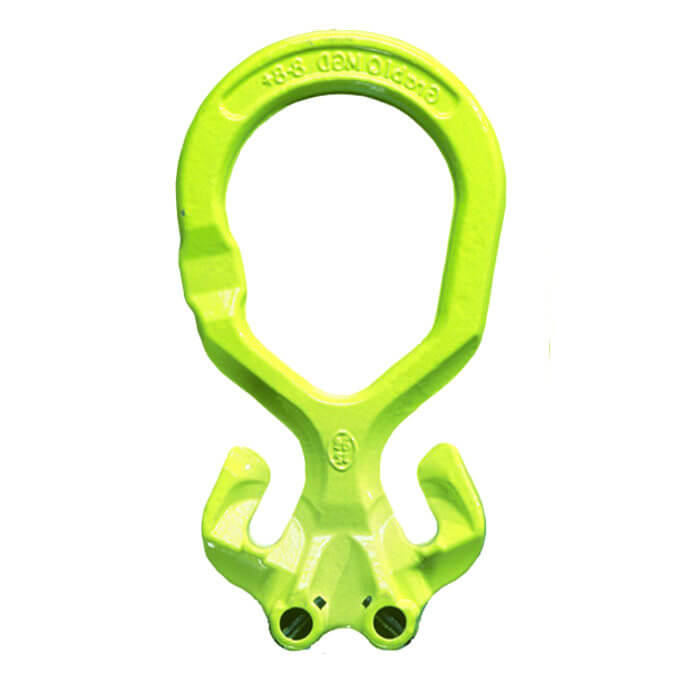
Equip yourself with industry-leading tools and ensure safe, successful hauls every time. Explore our high-quality range of tie-downs, slings, chains, hoists, and other load restraint essentials today!
Truck photography: Saltarelli Industries, Inc.
📸 Instagram: @saltarelli_industries_inc_
🌐 Website: www.saltarelliind.com
Specialized Equipment for Over-Sized Transport
Serving New York, New Jersey, Massachusetts and Connecticut
Cargo Control links:
Heavy Hauling Chain & Binder Kits: Grade 70, 80, and 100 chain and load binder kits
Oversize Banners & Flags: Oversize load banners, pilot car banners, and safety flags all Made in the USA
Load Binders: Binders from top brands such as Peerless Quickbinders, Crosby, and Durabilt
Ratchet Straps: We supply a variety of straps made with Diamond Weave webbing, as well as tie-downs with the Spin Free ratchet.
- Choosing a selection results in a full page refresh.