


-
MENU









Steel Core vs. Synthetic Winch Ropes: Which is Best for Heavy Wrecker Recovery?
Steel Core vs. Synthetic Winch Ropes: Which is Best for Heavy Wrecker Recovery?
When you are operating a heavy wrecker or rotator, your winch line is the critical link between a successful recovery and a catastrophic failure. Pulling a loaded semi-truck out of a ditch or uprighting a concrete mixer demands massive tension, meaning your choice of winch line material has huge implications for safety, efficiency, and your bottom line.
📋 Key Takeaways: Steel Core vs. Synthetic Winch Lines
Safety: Synthetic winch lines are vastly safer; they do not store kinetic energy and will safely drop if they snap, whereas steel cables can whip back violently, causing severe injury or truck damage.
Handling & Weight: Synthetic rope is up to 80% lighter than steel, reduces operator fatigue, and won’t develop hand-slashing burrs or wire kinks.
Durability: Steel core (IWRC) cables offer superior abrasion resistance against crushed frame rails, concrete, and debris, and resist crushing on the winch drum much better than synthetic options.
The Verdict: The best winch rope for your recovery operation depends on your environment, equipment, and recovery demands. Steel winch cable remains a popular option for operators working in high-heat, sharp-edge, or severe abrasion conditions. Yet many heavy recovery professionals are transitioning to synthetic winch ropes because of the safety and performance advantages. Its also about preference!
Below, we evaluate how these materials perform head-to-head across the four most critical metrics in heavy recovery.


1. Safety During a Line Snap (The Snapback Danger)
In heavy wrecker operations, winch lines are routinely pushed close to their working load limits. If a line breaks under 20,000 to 40,000 pounds of tension, the material’s physical properties dictate what happens next.
-
Steel Wire Rope: Steel behaves like a giant, tense rubber band. When it snaps, it stores massive amounts of kinetic energy and releases it in a violent, unpredictable snapback whiplash. A snapping steel cable can slice through a heavy wrecker’s rear body work, smash windows, or cause fatal injuries to anyone in the snapback zone.
-
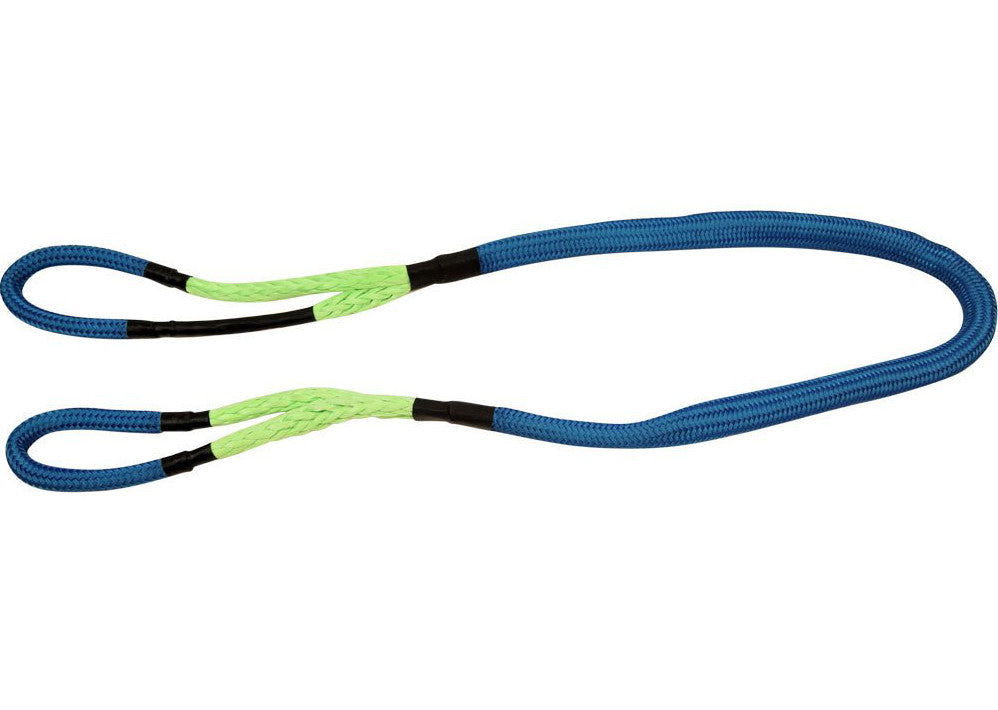
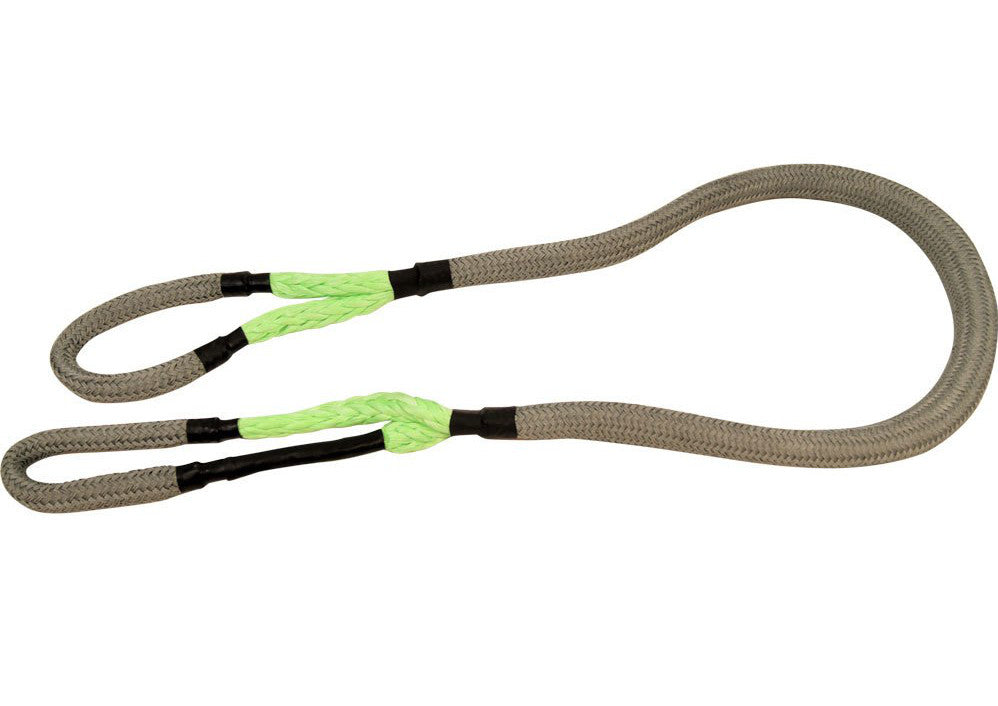
Synthetic Winch Rope: Synthetic rope (made from high-molecular-weight polyethylene) has virtually zero stretch and stores almost no kinetic energy. If a synthetic line fails under load, it simply loses tension and drops safely to the ground.
2. Weight, Handling, and Operator Fatigue
Heavy recovery work is physically exhausting. Spooling out hundreds of feet of line changes entirely depending on the material you choose.
-
Steel Cables: Steel is incredibly heavy and prone to developing "burrs"—sharp, broken individual steel wires that can easily slice through heavy leather rigging gloves. Additionally, steel cables develop a memory. If they are wound incorrectly or pulled at a bad angle, they form permanent kinks that ruin the spooling alignment.
-
Synthetic Lines: Synthetic rope is up to 80% lighter than steel wire rope of the same strength. It floats on water, has no memory (meaning it will never kink), and can be handled safely without gloves because it never develops sharp metallic burrs.
3. Abrasion and Drum Crushing Resistance
This is the one category where traditional steel still holds a distinct advantage on a busy heavy-duty recovery site.
-
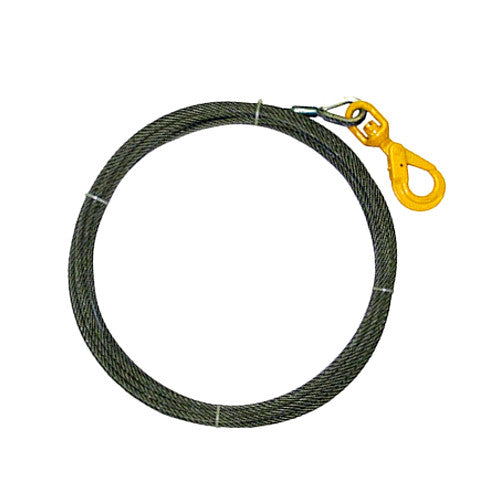
Steel Core (IWRC): Independent Wire Rope Core (IWRC) cables are built to withstand being dragged across jagged asphalt, crushed concrete, and torn metal frame rails. They also feature excellent crush resistance, meaning the cable won't flatten or deform when layered tightly under massive pressure on your winch drum.
-
Synthetic Rope: Synthetic lines are vulnerable to surface cuts and friction melting if dragged across sharp, unshielded wreckage. While they come with protective chafe sleeves, operators must be much more strategic about using snatch blocks and sliders to keep the rope clear of rough edges.
Synthetic Winch Lines
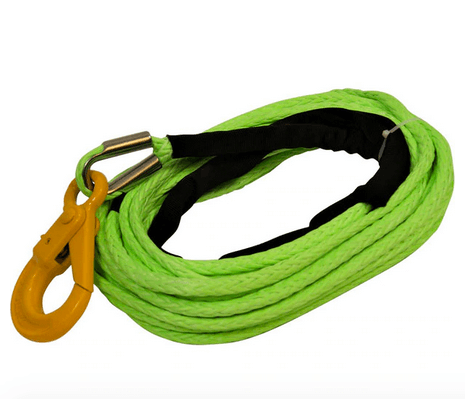
3/8" Synthetic Winch Line w/ Self Locking Eye Hook HMPE All-Grip®
Quick View
3/8" Synthetic Winch Line w/ Self Locking Eye Hook HMPE All-Grip®
- Price
- From $220.00
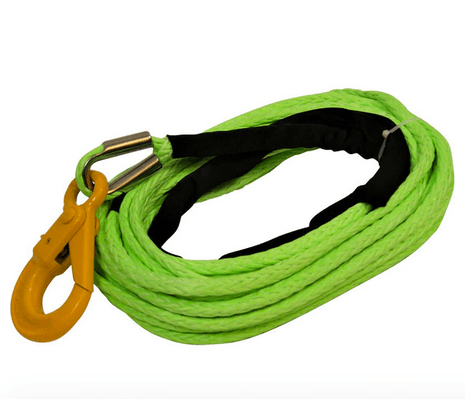
7/16" Synthetic Winch Line w/ Self Locking Eye Hook HMPE All-Grip®
Quick View
7/16" Synthetic Winch Line w/ Self Locking Eye Hook HMPE All-Grip®
- Price
- From $265.00
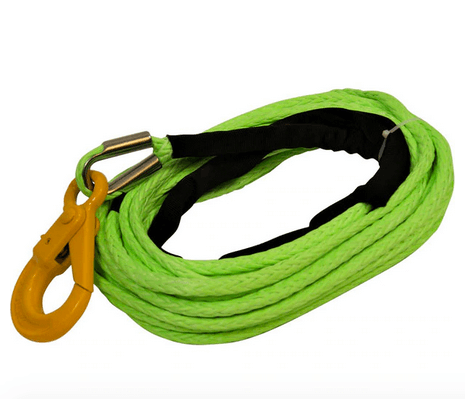
1/2" Synthetic Winch Lines w/ Self Locking Eye Hook HMPE All-Grip®
Quick View
1/2" Synthetic Winch Lines w/ Self Locking Eye Hook HMPE All-Grip®
- Price
- From $370.00
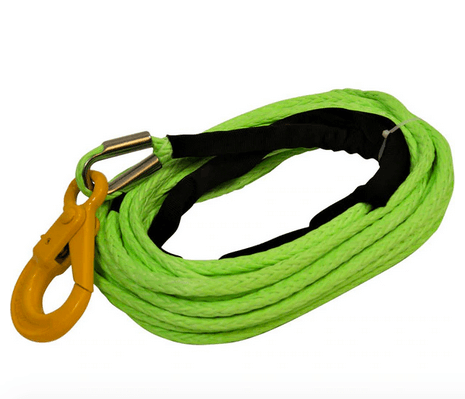
5/8" x 250' Synthetic Winch Lines w/ Self Locking Eye Hook HMPE All-Grip®
Quick View
5/8" x 250' Synthetic Winch Lines w/ Self Locking Eye Hook HMPE All-Grip®
- Price
- $1,700.00
Bubba Rope 1/4" x 50 FT Powersports Synthetic Winch Line


Quick View
42% off


Bubba Rope 1/4" x 50 FT Powersports Synthetic Winch Line
- Sale price
- $110.00
- Regular price
- $189.00
Bubba Rope 3/8" x 50' Synthetic Winch Line


Quick View
16% off


Bubba Rope 3/8" x 50' Synthetic Winch Line
- Sale price
- $190.00
- Regular price
- $225.00
Bubba Rope 3/8" x 75' Synthetic Winch Line
Quick View
22% off
Bubba Rope 3/8" x 75' Synthetic Winch Line
- Sale price
- $280.00
- Regular price
- $355.00
- Choosing a selection results in a full page refresh.