


-
MENU










OSHA & ASME Rigging Inspection Checklist: When to Retire Your Slings
OSHA & ASME Rigging Inspection Checklist: When to Retire Your Lifting Slings
In industrial rigging, overhead lifting, and heavy construction, there is no room for guesswork. A single rigging sling failure can cause thousands of dollars in property damage, severe liability fines, or tragic job site injuries.
To keep operations running safely and legally, teams must comply with two main regulatory frameworks: OSHA 29 CFR 1910.184 and ASME B30.9. Both agencies demand that any lifting sling showing specific signs of degradation be pulled from service immediately.
But exactly how much wear is too much? When does a small nick become a mandatory reason to retire a sling?
Below is your definitive rigging inspection guide and checklist for synthetic web slings, polyester round slings, and alloy steel chain slings.
The Three Levels of Sling Inspection
ASME B30.9 dictates that lifting slings must undergo three distinct types of inspections:
-
Initial Inspection: Conducted by a designated person whenever a new, altered, or repaired sling is received to ensure it matches ordering specifications.
-
Frequent Inspection (Daily): A visual check performed by the rigger or equipment operator before every single shift and during use in rough conditions.
-
Periodic Inspection (Documented): A rigorous, fully documented inspection performed by a competent person at least once every 12 months (more frequently if used in severe environments).
📋 The Ultimate Sling Rejection Checklist
When running through your pre-shift or periodic safety checks, look for these specific red flags. If a sling displays even one of these defects, it must be removed from service and destroyed.

1. Synthetic Web Slings & Polyester Round Slings
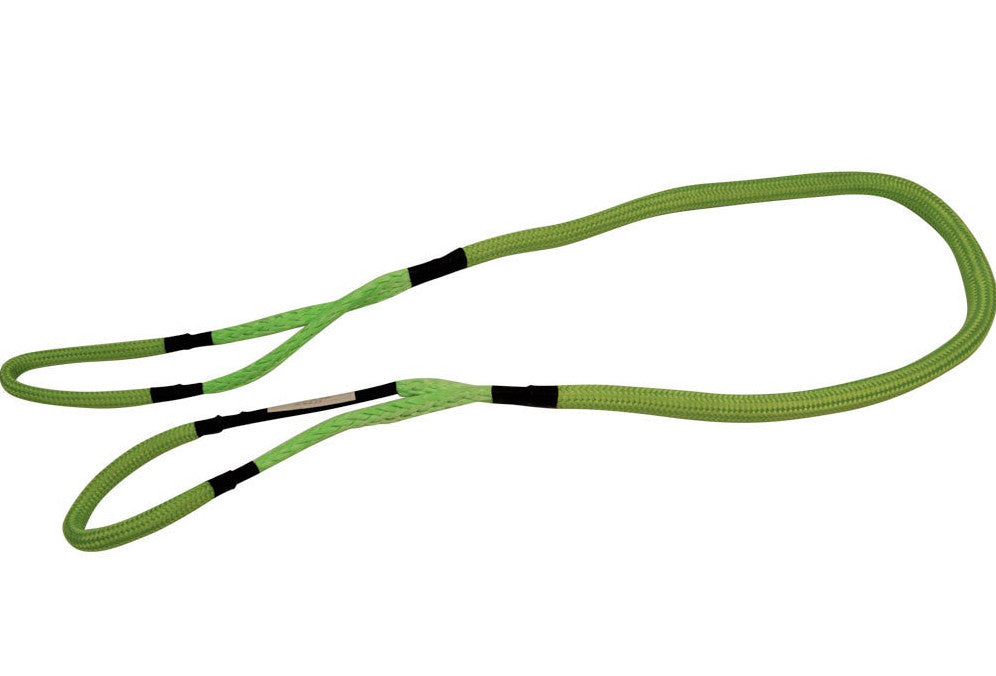
Synthetic slings are highly flexible and popular, but they are the most vulnerable to mechanical and environmental damage. Look closely for:
-
Missing or Illegible Identification Tag: If the tag is missing, torn off, or faded to the point where you cannot read the manufacturer name, core material type, or the Rated Capacity (Working Load Limit), the sling is legally dead. It cannot be used.
-
Acid or Caustic Chemical Burns: Visible bleaching, charred areas, or material melting caused by exposure to harsh chemicals.
-
Melting or Weld Splatter: Any signs of heat damage. For standard polyester, exposure to temperatures greater than 194°F (90°C) requires retirement. Look for hard, glazed, or fused fibers caused by weld splatter or friction.
-
Holes, Tears, Cuts, or Snags: Any breach in the outer jacket of a round sling that exposes the internal load-bearing core yarns, or any deep edge cuts on a web sling.
-
Broken or Worn Stitching: Look at the load-bearing splices. If the stitching is unravelling or torn, pull it immediately.
-
Knots in Any Part of the Sling: Knots drastically reduce a sling's lifting capacity by up to 50% or more. Never tie slings together or use a knotted sling.
-
UV Degradation: Excessive exposure to sunlight bleaches the webbing and breaks down the synthetic polymers, causing the material to feel stiff or brittle.

2. Alloy Steel Chain Slings (Grade 80 / Grade 100)
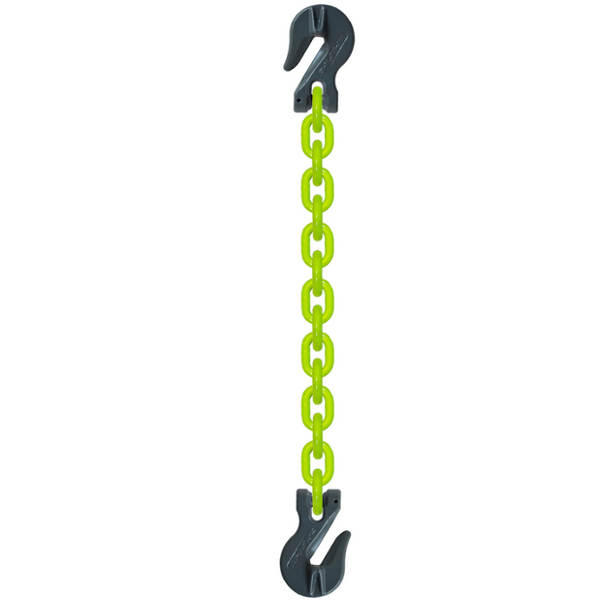
Chain slings are rugged, but hidden wear can escape notice without careful measurement. Check for:
-
Wear and Link Elongation: Check individual links for stretching. If the chain links have elongated or if thickness has been reduced by more than 10% at any point due to friction, retire it.
-
Cracks or Gouges: Any visible crack or sharp notch in a link or master link acts as a stress concentrator, leading to sudden failure under load.
-
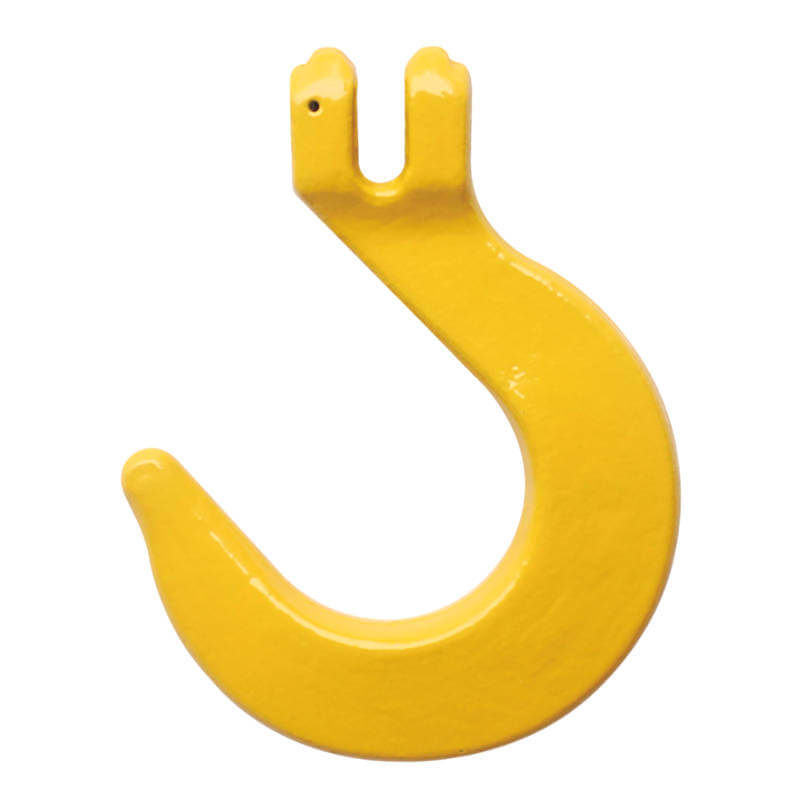
Deformed Hardware: Hooks that are twisted out of alignment or have throat openings stretched wider than 5% (or 1/4 inch) from their original shape must be discarded.
-
Pitting or Severe Corrosion: While surface rust happens, deep pitting that compromises the metal's thickness is an automatic failure.
How to Destroy a Retired Sling
When a sling fails inspection, you cannot simply throw it in the trash box. A well-meaning worker might see it later, assume it's fine, and put it back into service.
Pro-Tip: To properly retire a lifting sling, you must physically destroy it. Cut synthetic web and round slings completely in half through the eyes and body. For chain slings, use a torch or grinder to cut the master links or main body segments so they can never accidentally lift a load again.
Is It Time to Replace Your Rigging Gear?
Don't wait for a costly OSHA fine or a dangerous drop to update your inventory. At Baremotion, we supply fully certified, heavy-duty rigging equipment manufactured to strict ASME B30.9 compliance standards.
-
[Shop Heavy-Duty Polyester Web Slings] – USA-made flat web slings with reinforced eyes.
-
[Browse Endless Polyester Round Slings] – Color-coded high-capacity round slings for heavy lifts.
-
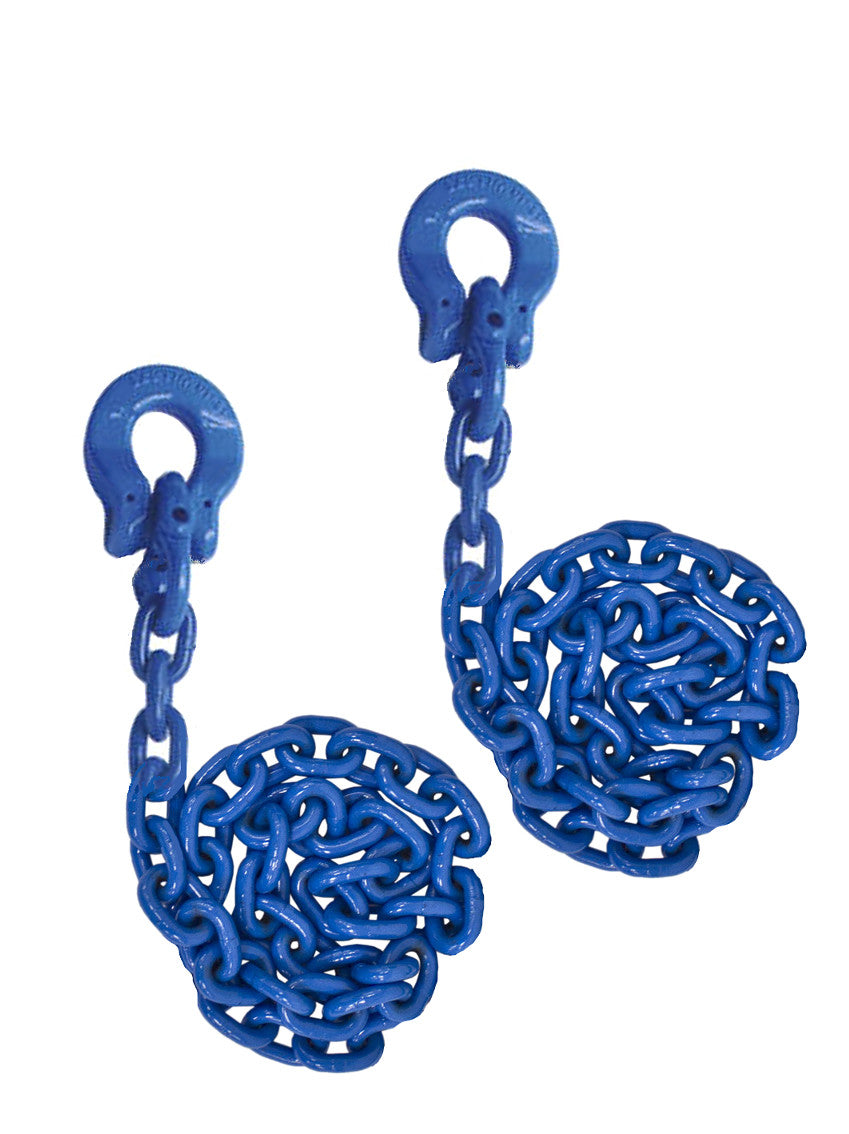
[Explore Grade 100 Alloy Chain Slings] – Rugged, customizable chain setups built for maximum durability.
Frequently Asked Questions
Q: How often do lifting slings need to be inspected?
A: According to OSHA and ASME standards, lifting slings require three levels of inspection:
-
Initial Inspection: Done by a designated person before the sling is ever used for the first time.
-
Frequent Inspection: A visual check performed by the user or a competent person every single day or before every shift before use.
-
Periodic Inspection: A documented, thorough inspection conducted by a designated person at least once a year (more frequently if the sling is subjected to severe service conditions).
Q: What should I do with a lifting sling once it is retired?
A: When a sling fails inspection, you must destroy it immediately so it cannot be accidentally reused by another worker. Simply throwing it in the trash whole is a major safety hazard. Cut synthetic slings into small pieces, chop the eyes off wire rope slings, or cut the links of a chain sling before disposal.
Q: What is the difference between OSHA and ASME rigging standards?
A: While they work hand-in-hand, OSHA (Occupational Safety and Health Administration) is a federal government agency, making its regulations law. Employers can be fined or penalized for non-compliance. ASME (American Society of Mechanical Engineers) is a professional organization that provides the highly detailed, technical industry standards (like ASME B30.9 for slings) that OSHA frequently adopts or references as best practices.
- Choosing a selection results in a full page refresh.