



-
MENU









Why Using Shorteners on Chain Slings Improves Safety, Efficiency, and Flexibility
When it comes to lifting operations, precision, safety, and efficiency are everything. Whether you're working in construction, manufacturing, or Towing and recovery, having the right rigging setup will make all the difference. One often overlooked—but incredibly valuable—component is the use of shorteners on chain slings.
At Baremotion, we focus on providing reliable solutions that enhance your lifting operations. Here’s why adding shorteners to your chain sling setup can make a significant difference.
What Are Chain Sling Shorteners?
Chain sling shorteners are specialized fittings that allow you to adjust the effective length of a chain sling without removing links or switching out equipment. They’re typically integrated into the sling assembly and are designed for quick, secure adjustments.

Benefits of Chain Sling Shorteners
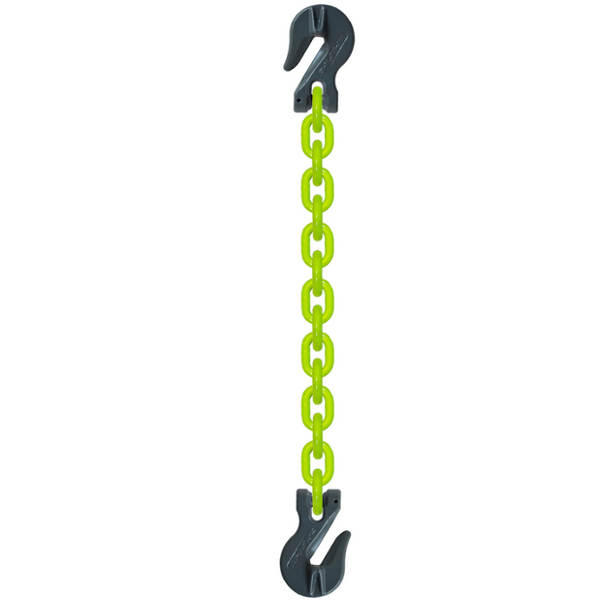
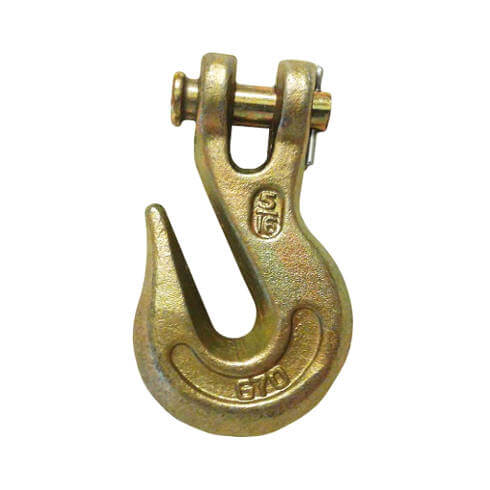
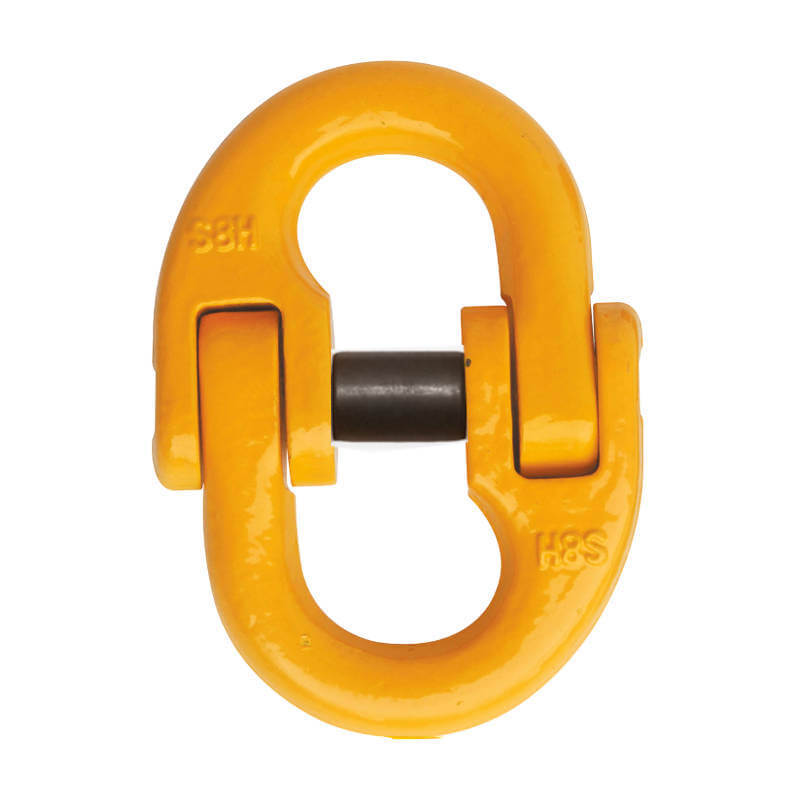
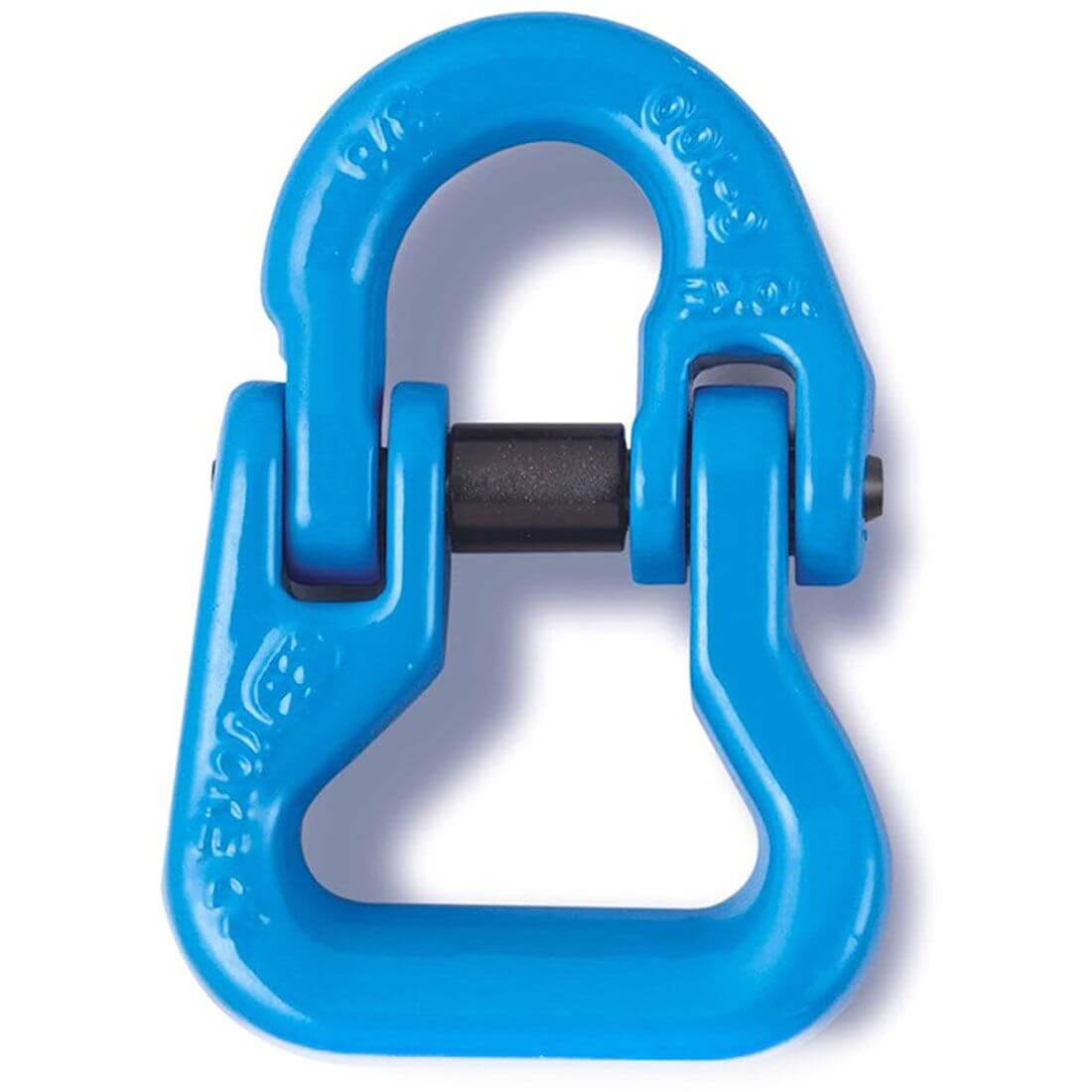
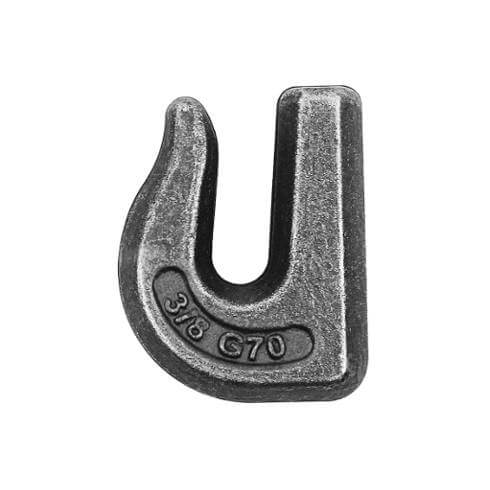
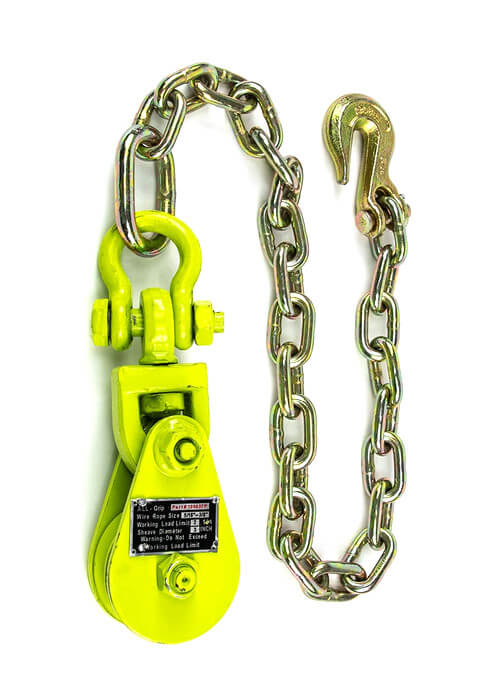
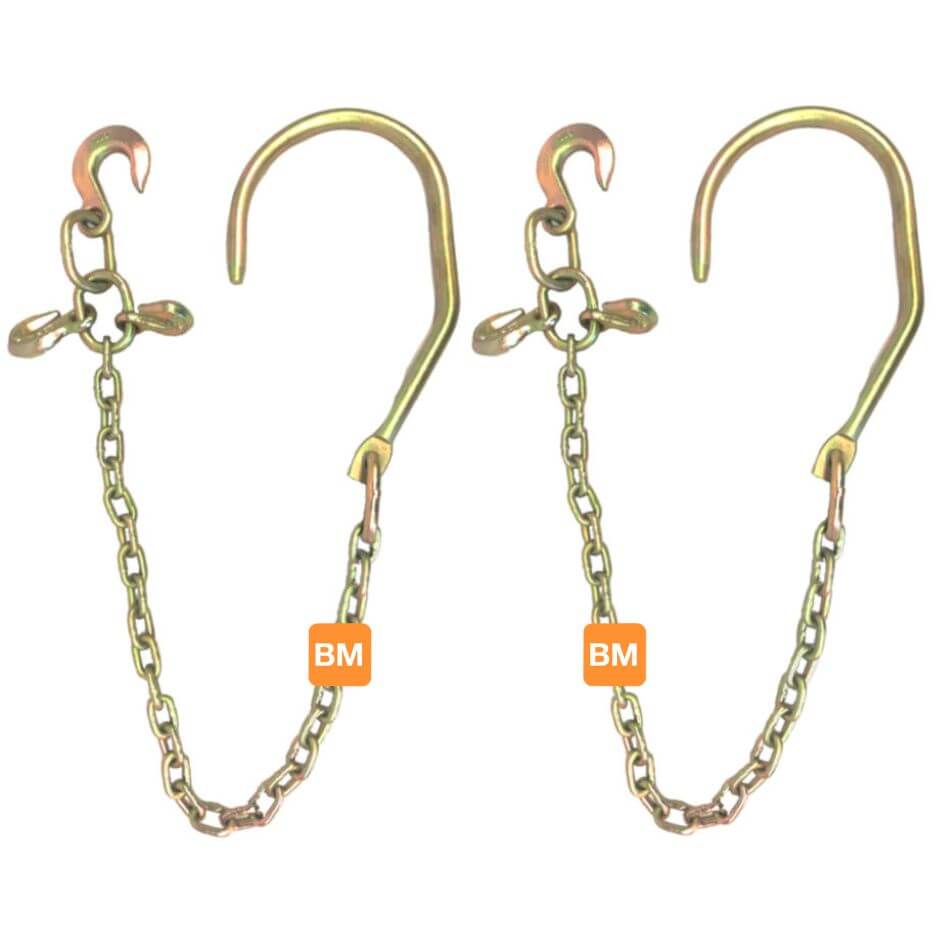
Adding shorteners—such as grab hooks, shortening clutches, or all-in-one Master Link with chain adjusters built in —to your rigging hardware transforms a static piece of equipment into a highly adaptable tool. Here is why you should incorporate them into your lifting operations.
1. Enhanced Flexibility
The most significant advantage of a chain sling shortener is the ability to customize the length of individual sling legs.
2. Improved Load Control and Balance
Shorteners allow operators to fine-tune each leg of a chain sling, ensuring:
- Even weight distribution
- Reduced risk of load shifting
- Greater control during lifting and positioning
This is especially critical when handling irregular or asymmetrical loads.
3. Increased Safety on Site
Safety remains the top priority in any material handling operation. Unbalanced loads swing unpredictably, posing severe risks to the rigging crew and the surrounding equipment.
- Using shorteners minimizes load swing by ensuring a balanced pick - secure connections and adjustable performance
- Prevent sudden load shifts
- Reduce wear caused by improper angles
4. Cost-Effective Rigging Solution
Buying multiple chain slings of varying lengths requires a massive budget and takes up valuable storage space. Shorteners eliminate this need entirely. With adjustable legs, a single chain sling adapts to dozens of different applications. You can use the same four-leg chain sling to lift a small, dense engine block in the morning and a long, awkward steel beam in the afternoon.
- Lower equipment costs
- Reduce inventory needs
- Maximize return on investment
5. Time-Saving Efficiency
Instead of swapping out slings or making manual adjustments, shorteners let you:
- Make quick length changes in seconds
- Reduce downtime between lifts
- Streamline rigging setups
This efficiency can significantly improve workflow and productivity.

Practical Scenarios: Shorteners in Action
To understand the true value of these devices, let us look at how they perform in everyday lifting scenarios.
Scenario 1: Uneven Loads on Construction Sites
Imagine lifting a large industrial HVAC unit onto a roof. The compressor makes one side of the unit much heavier. If the crew uses standard sling legs, the heavy side will dip dangerously low during the lift. By using chain sling shorteners, a rigger can shorten the legs on the heavy side. When lifted, the HVAC unit remains horizontal, allowing the crew to guide it safely into place.
Scenario 2: Limited Headroom in Manufacturing
A manufacturing plant needs to move a heavy piece of machinery indoors using an overhead bridge crane. However, the facility has a low ceiling, and a standard ten-foot chain sling leaves the load resting on the floor even when the crane hoist is fully retracted.
Instead of searching for a completely different, shorter sling, the operator uses the shorteners to reduce all four legs of the current sling by three feet. The crane easily clears the load off the floor, saving the team hours of downtime.
Conclusion
Chain sling shorteners are not just optional accessories; they are essential tools for professionals serious about rigging safety and efficiency. By allowing precise load balancing, preventing dangerous load shifts, and maximizing the utility of your existing gear, shorteners pay for themselves on the very first job. Take the time to evaluate your current rigging setups and consider upgrading your chain slings with high-quality shortening devices.
Q&A: Master Your Chain Sling Shorteners
Q: Are all shorteners compatible with any chain sling?
A: No. You must match the shortener to the specific grade and size of the chain you are using. For example, if you use a Grade 100 chain that is 3/8-inch thick, you must use a Grade 100 shortening hook or clutch designed explicitly for 3/8-inch chains. Mixing grades or sizes compromises the sling's capacity and violates safety standards.
Q: What are the best practices for using shorteners?
A: Always ensure the chain seats fully and securely into the bowl of the hook or the pocket of the clutch. Never twist the chain when inserting it into the shortener, as twists reduce the chain's overall strength. Finally, be aware of how the shortener affects your load limits. While standard shortening clutches usually retain 100% of the chain's WLL, traditional grab hooks can sometimes reduce the chain's capacity by up to 20%. Always check the manufacturer's guidelines to verify your working limits.
Q: Can different types of chains be used together in a single lifting system?
A: NO - It is not recommended to combine different chain types or grades in a single lifting system, as this can compromise the load capacity and create safety hazards. Always use chains and components of the same grade, ensuring compatibility and uniform strength throughout the system.
Shop Chain Sling Shorteners Now
- Choosing a selection results in a full page refresh.