



-
MENU










Exploring the Four Main Types of Lifting Slings
Exploring the Four Main Types of Lifting Slings and Their Unique Benefits
Lifting slings are essential tools for industries that rely on cranes, hoists, and heavy load handling. From manufacturing and construction to mining and towing recovery, these tools ensure safe and efficient lifting across a wide range of applications.
Choosing the right sling not only enhances safety but also boosts operational efficiency and compliance with industry standards. To help you make informed decisions, we’re breaking down the four primary types of lifting slings, their distinct features, and how they benefit your operations.
There are four main types of lifting slings: wire rope slings, chain slings, synthetic webbing slings, and synthetic round slings. Each type has its unique features and benefits, making it suitable for specific applications. Let's explore each type in detail.
1. Chain Slings

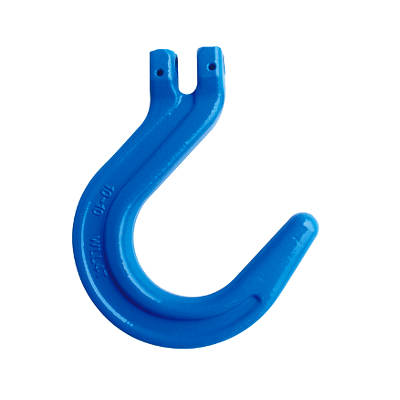
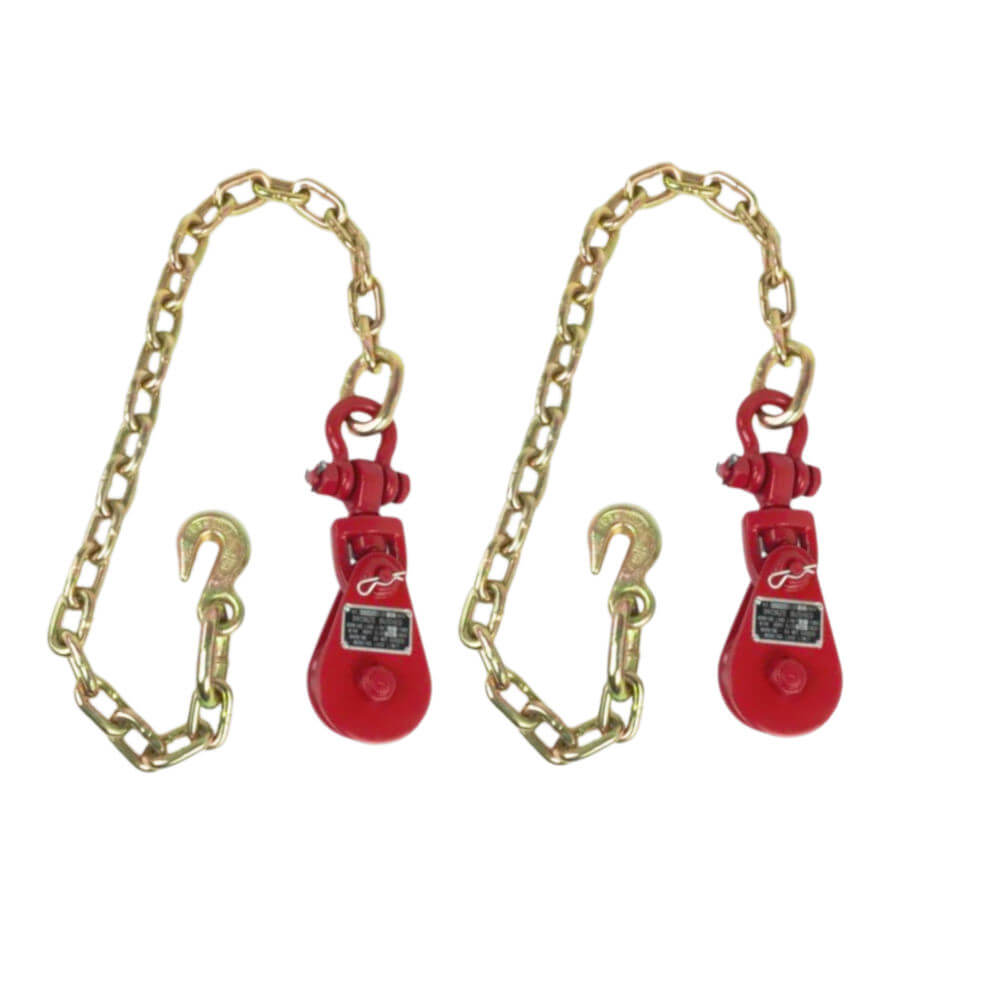
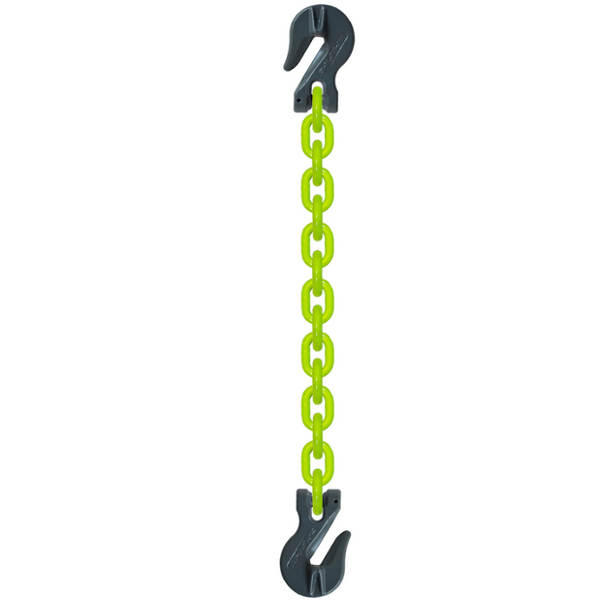
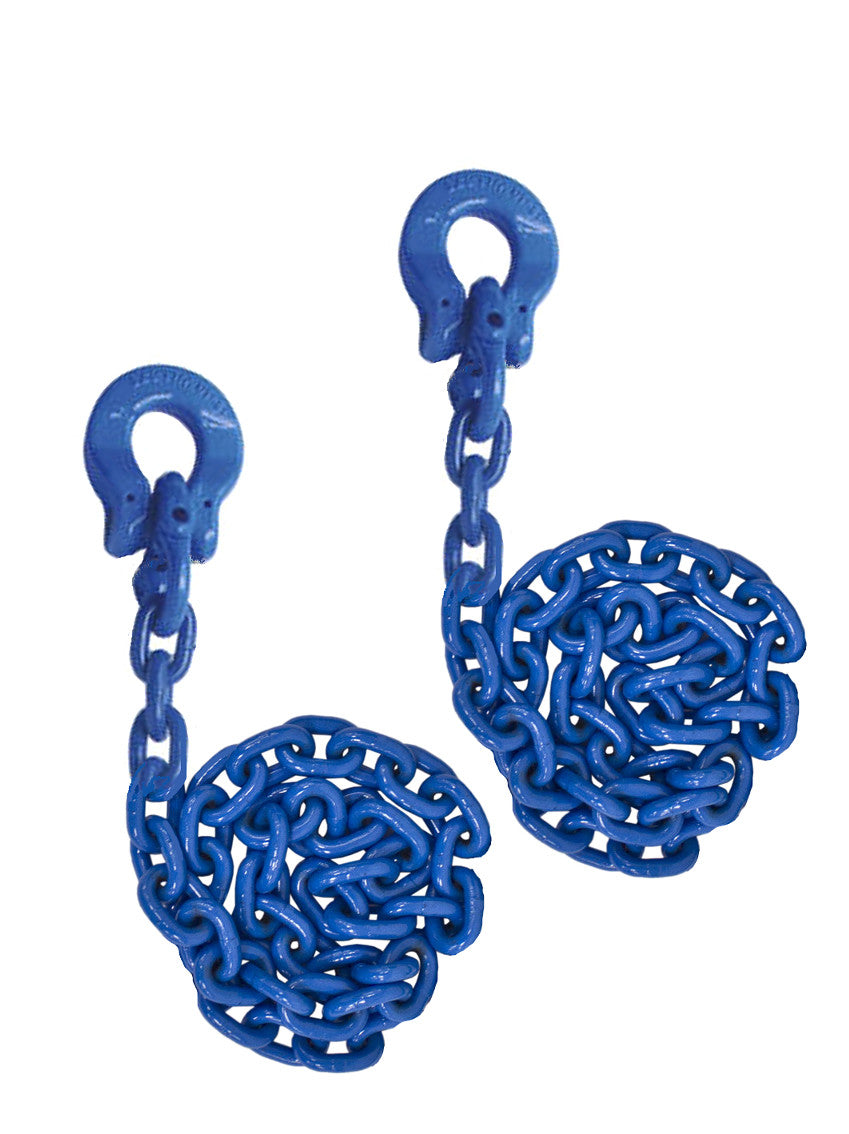
Chain slings are made from high-strength alloy steel links, providing excellent durability and load capacity. Known for their durability and ability to withstand harsh conditions.
You will often find chain slings in:
- Steel mills and foundries
- Heavy machine shops
- Construction and fabrication yards
- Used as load restraints for heavy hauling and heavy machinery transport
Benefits:
-
Extreme durability – Chain slings are highly resistant to abrasion, cuts, and UV degradation, giving them a long service life when properly maintained.
-
Adjustable– The length of a chain sling can often be adjusted using specialized grab hooks, offering greater flexibility for different lifts.
-
Long service life – Can withstand repeated heavy use and can sometimes be repaired.
-
Excellent for harsh environments – Unlike synthetic slings, chain can be used in environments with extreme heat without compromising its strength.
Limitations:
- Heavy Weight: Their steel construction makes them much heavier than other sling types, which can make handling difficult and increase the risk of back injuries.
- Potential for Damage: While durable, chain slings can damage sensitive or finished surfaces if not used with proper padding.
- Susceptible to Shock Loading: Sudden drops or jerks can cause catastrophic failure. A smooth, steady lift is always required.
2. Wire Rope Slings

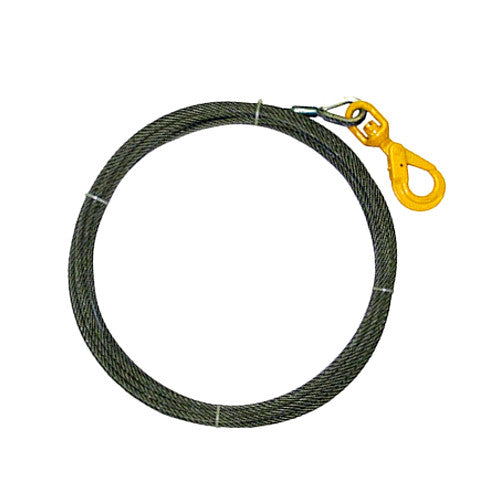
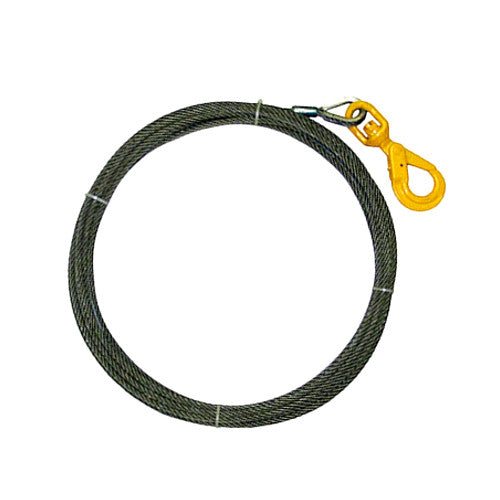
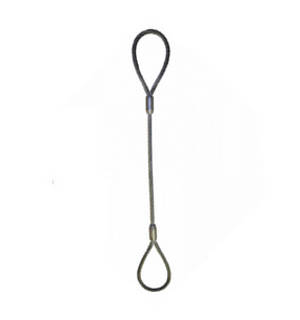
Wire rope slings are composed of strands of high-strength steel wire twisted together to form a strong cable. They offer a unique combination of strength, flexibility, and resistance to abrasion.
These slings are a common sight in construction, marine industries, and general manufacturing for lifting a wide range of loads.
Their versatility makes them suitable for:
- Lifting construction materials like beams and pipes
- General-purpose rigging in manufacturing plants
- Mooring and towing operations in the marine sector
Benefits:
-
High Strength & Durability – Ideal for rugged applications. Wire rope is stronger than a chain sling of the same size and weight, making it a good middle-ground option.
-
Abrasion Resistance – While not as resistant as chain, wire rope slings hold up well against abrasion compared to synthetic slings
-
Cost effective – They generally have a lower initial cost than chain slings of similar capacity.
Limitations:
- Less Flexible: Wire rope is less flexible than synthetic slings, which can make rigging complex loads more challenging.
- Kinking and Crushing: Improper use or storage can lead to kinking, which permanently damages the sling and drastically reduces its capacity. They can also be crushed if not used with proper hardware.
- Hand Hazards: Broken wires, known as "fishhooks," can create sharp projections that pose a serious risk of hand injuries to riggers.
3. Synthetic Round Slings

Synthetic polyester round slings are composed of high-strength polyester fibers encased in a durable, protective cover. These slings are commonly used for lifting operations due to their lightweight design and excellent flexibility, making them a popular choice in many industries.
Common applications include:
- Construction companies utilize them for lifting heavy construction materials and equipment
- Boat and vehicle handling
Benefits:
-
Superior strength-to-weight ratio – Can lift heavy loads despite being lightweight.
-
Versatile load handling – Can be used in vertical, choker, or basket hitches.
-
Load protection – Soft construction minimizes damage to surfaces.
-
Durability – Unlike metal slings, synthetic round slings are resistant to rust and corrosion, making them ideal for use in environments with moisture or certain chemicals.
Limitations:
- Susceptible to Environmental Damage: Synthetic materials can degrade over time when exposed to extreme sunlight, chemicals, or high temperatures, reducing their lifespan.
- Vulnerability to Cuts and Abrasions: Though durable, synthetic round slings can be damaged by sharp edges or rough surfaces, requiring extra precautions during use.
- Inspection Requirements: Regular inspections are crucial to ensure there is no hidden damage to the internal fibers, as this could compromise the sling's integrity.
4. Synthetic Web Slings

Synthetic Web slings, typically made from nylon or polyester are lightweight yet surprisingly strong.
Common applications include:
- Lifting in construction sites
- Boat and vehicle handling
Benefits:
-
Lightweight – Easy to handle and transport.
-
Load protection – Soft material reduces the risk of scratching or damaging delicate loads.
-
Shock absorbent – Absorbs impact during sudden loading.
-
Cost-efficient – Generally more affordable compared to chain slings
Limitations
- Low Durability: Synthetic slings are highly susceptible to cuts, tears, and abrasion. Contact with sharp edges must be avoided, and protective sleeves are often required.
- Vulnerable to Environment: They are prone to damage from UV light, high temperatures, and chemical exposure. Each type (nylon or polyester) has different chemical resistances.
- Stretching: Nylon slings stretch more than polyester ones, which can be an issue in lifts requiring minimal bounce or precise load placement.

Choosing the Right Sling for the Job
Selecting the correct lifting sling is not just about capacity. You must consider the load's characteristics, the working environment, and the nature of the lift itself.
Ask yourself these questions:
- Weight and Shape: Is the sling strong enough for the load? Does its shape conform to the item being lifted?
- Material: Is the load's surface sensitive to scratches or crushing?
- Environment: Will the sling be exposed to extreme heat, chemicals, or UV light?
- Sharp Edges: Does the load have sharp corners that could cut a sling?
By carefully evaluating these factors, you can match the unique benefits of each sling type to the demands of your specific task, ensuring a safe and successful lift. Regular inspection and maintenance, as mandated by industry regulations, are the final, critical components of a comprehensive lifting safety program.
Enjoy Free Shipping Across the Continental US on Orders Over $75!
Shop now at Baremotion and discover the ideal blend of safety, durability, and convenience. Don’t wait—place your order today!
Custom-Made Slings to Suit Your Needs
At Baremotion, we understand that every project comes with its unique challenges and requirements. That’s why we offer custom-made slings designed specifically to fit your needs.
- Choosing a selection results in a full page refresh.