



-
MENU










Best Chain Slings for Tow Trucks and Recovery Operators
In the Towing and Heavy Recovery industry, every piece of gear matters—but your chain slings might be the most critical link between a smooth job and a dangerous situation.
The right chain sling can secure a load safely, handle heavy forces without failure, and keep your operation compliant with OSHA and ASME standards.
These slings are prized for their durability, versatility, and resistance to extreme conditions such as heat, sharp edges, and heavy wear—qualities that make them a top choice for recovery operators who frequently face demanding circumstances.
Whether you run a rollback, wrecker, or heavy recovery truck, choosing the right chain sling means knowing your grades, configurations, and capacity limits. Here’s Baremotion’s guide to the best chain slings for tow truck operators.

Why Are Chain Slings Important in Towing and Recovery?
Towing and recovery operations often involve lifting and pulling heavy, immovable vehicles or objects in less-than-ideal settings. Chain slings provide the strength and reliability needed to handle these heavy loads safely and effectively.
Here are some key benefits of using chain slings in towing and recovery work:
- High Load Capacity: Chain slings are designed to handle extreme weights, making them ideal for heavier vehicles like trucks or industrial machinery.
- Durable and Long-Lasting: Their ability to withstand wear and tear ensures they remain operational for longer, even in tough recovery scenarios.
- Versatility in Configurations: With adjustable lengths and various forms, they can be adapted to almost any recovery situation.
- Safety Compliance: Chain slings are manufactured to meet stringent safety standards, reducing the risk of accidents when used correctly.

Key Factors When Choosing the Best Chain Slings
Selecting the right chain sling is crucial for successful and safe operations. Here are the main aspects to consider:
1. Load Capacity
The weight of the object you plan to tow or lift dictates the required chain sling load capacity. Always check the working load limit (WLL) of the chain sling to ensure it matches or exceeds the weight of the load.
Heavy-duty jobs often call for slings made from Grade 80 or Grade 100 steel, which are rated for industrial lifting and towing applications.
2. Number of Chain Legs
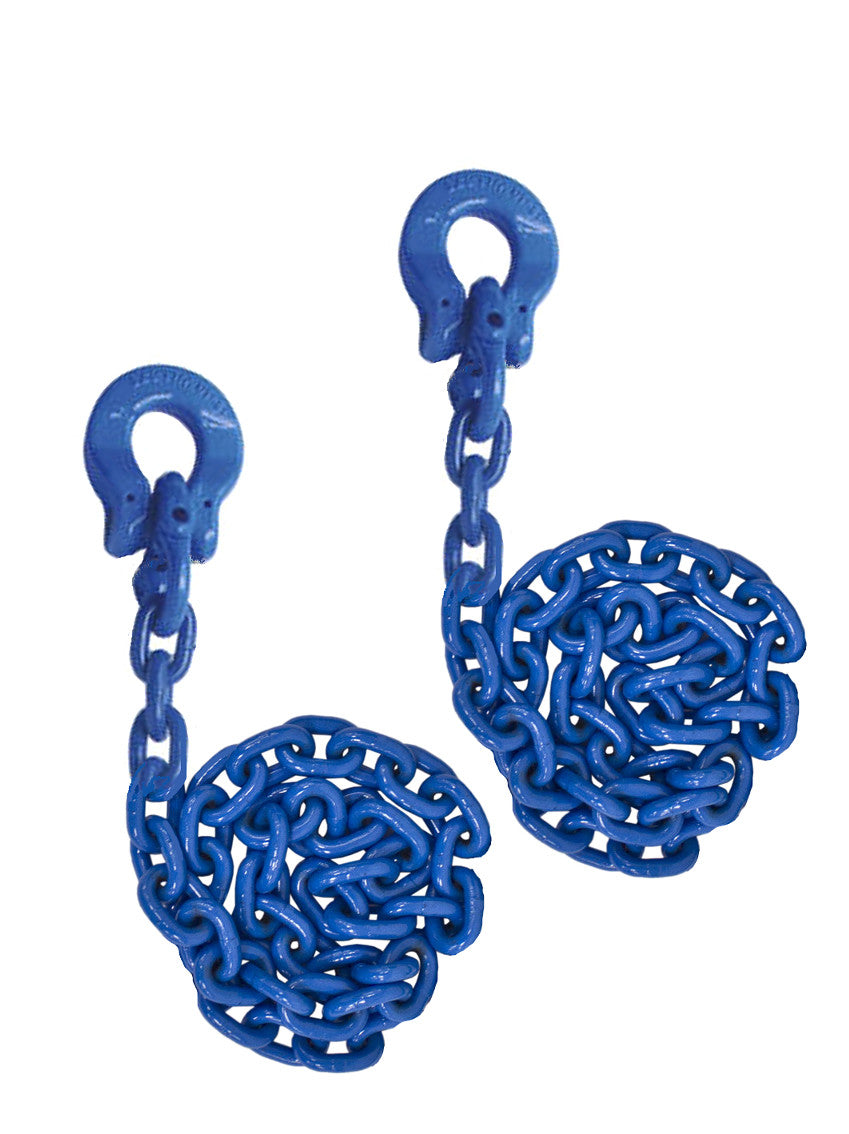
Chain slings come in different configurations based on the number of chain legs. The number affects how the load is distributed:
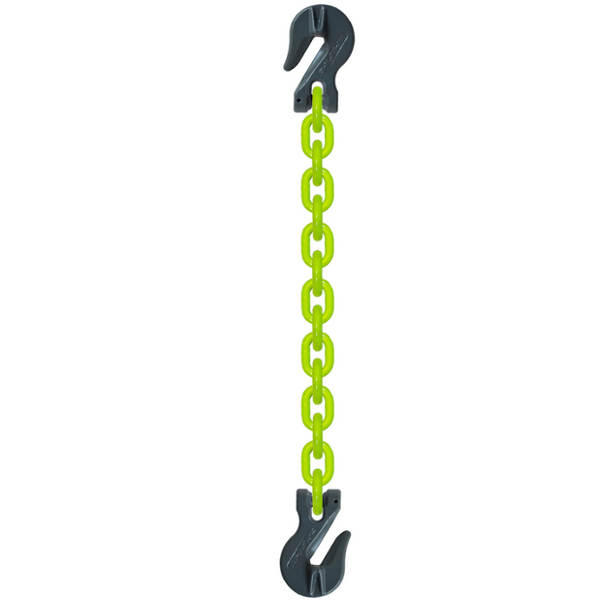
Single-Leg Chain Slings:
Best for: Straight-line pulls, securing one point of attachment
- Simple, strong, and easy to handle
Double-Leg Chain Slings:
Best for: Loads requiring two securement points.
- Offers balanced lifting
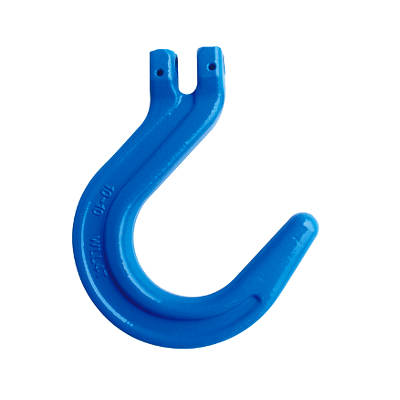
- Works well with Grab Hooks, Sling Hooks, or Foundry Hooks for versatility.
4-Leg (Quad) Chain Slings:
Best for: Heavy-duty and specialized recovery work or irregularly shaped loads requiring multiple anchor points.
- These set ups distribute load weight evenly
Adjustable Chain Slings:
Best for: Offering maximum flexibility during recovery operations.
- Built-in adjusters let you shorten or lengthen legs quickly
- Reduces the need to carry multiple fixed-length slings
3. Material Grade and Strength
The grade of the chain material determines its strength and durability. Grades are typically classified as follows:
- Grade 80: Standard for lifting applications.
- Grade 100: Stronger than Grade 80, offering a higher load capacity.
- Grade 120 (less common): Ultra-high-strength alloy chains.
5. End Fittings and Hooks
The type of hook or end fitting you need depends on the specific towing or lifting task. Common options include:
- Grab Hooks for securing chains to specific anchor points.
- Sling Hooks or Locking Hooks for loads requiring some movement.
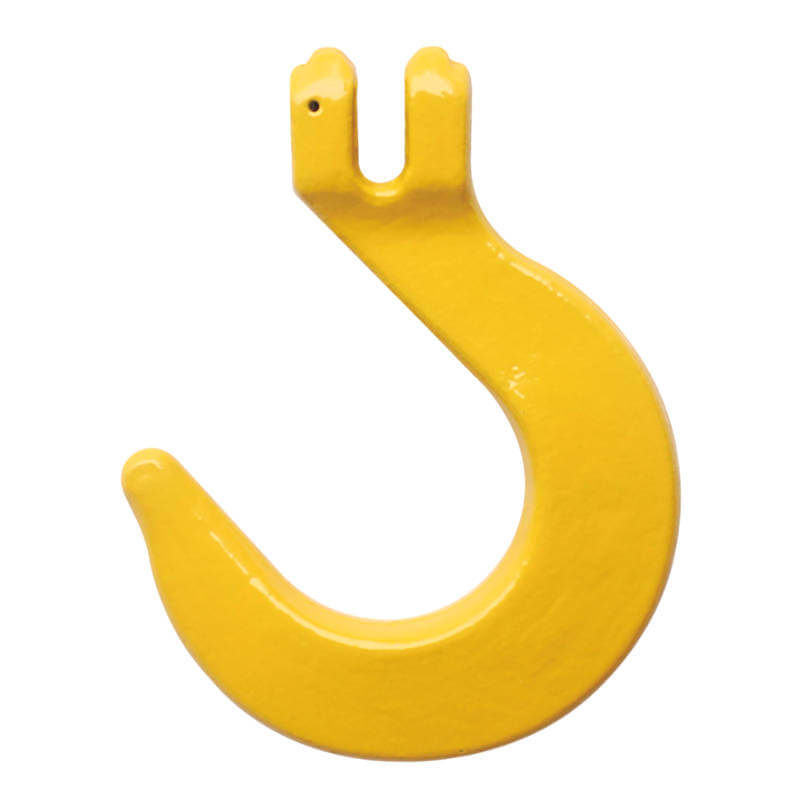
- Foundry Hooks for oversized lifting points.

Why Investing in High-Quality Chain Slings Matters
Cheap or poorly constructed chain slings may seem like a budget-friendly solution, but they can pose serious risks to safety and operation efficiency. High-quality chain slings not only provide better performance but also offer peace of mind for operators working in hazardous recovery environments.
Regular inspection and maintenance of your chain slings are crucial to ensure their long-term reliability and safety. Before every use, operators should check for signs of wear, such as cracks, bends, or excessive stretching. Any damaged sling should be removed from service immediately to prevent accidents.
To sum it up
Chain slings are an indispensable tool for any towing or recovery professional. Their strength, adaptability, and safety features make them a go-to choice for handling tough jobs.
By investing in the right chain sling, you ensure efficient and safe operations while extending the lifespan of your equipment. Before making a purchase, consider factors like weight capacity, configuration, material grade, and compliance with industry standards. Remember, safety and quality always come first.

Big thank you to William Tessier for sharing his awesome photography
📸 Instagram: @le_mr_tessier
🌐 Website: www.remorquageprofessionnel.com
- Choosing a selection results in a full page refresh.